The Starlink satellite Internet network operated by SpaceX currently destroys an average of one to two satellites per day by falling into the atmosphere, and the rate may further accelerate. Jonathan McDowell, an astrophysicist and space tracking expert at Harvard University, said that the actual impact on the environment of satellites retiring and reentering the atmosphere at such a high frequency is still unclear, but Starlink is not the most risky satellite network in terms of space debris issues.
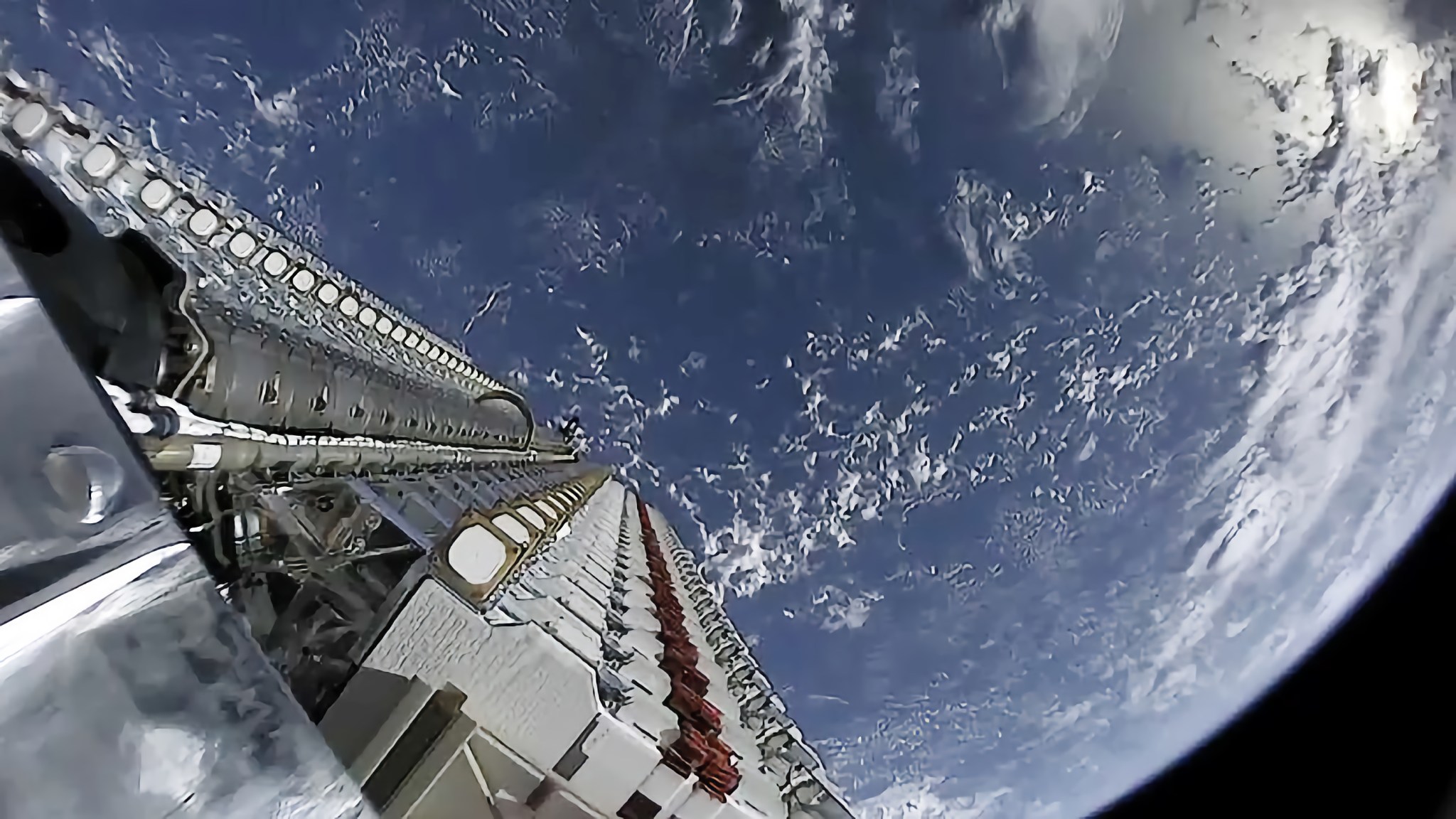
McDowell said in an interview with EarthSky that with the gradual expansion of low-orbit large satellite constellations such as Starlink and Amazon Kuiper, the total number of satellites will soon reach about 30,000. By then, five satellites may enter the atmosphere and burn up every day, and the average service life of a single satellite will be about five years. "The Register" further interviewed McDowell this week and learned that although Starlink has proactively taken measures to avoid collisions and orderly decommission to reduce the risk of "Kessler Syndrome", it remains to be seen whether its operations can be effective in the long term.
Starlink's current decommissioning strategy is to use the satellite's own thrusters to lower the orbit to less than 600 kilometers, and then rely on atmospheric drag to quickly burn out after the orbit fails. If these measures can be implemented smoothly, low orbit could potentially avoid catastrophic collisions. However, McDowell warned that high-density space debris may still pose serious risks if abnormal events such as solar storms or strong radiation cause a large number of satellites to fail at the same time. According to an estimate of the size of the constellation of 30,000, even if only 1% of the satellites fail, about 300 satellites that cannot be actively decommissioned will remain in orbit for a long time, causing huge potential risks.
McDowell also specifically pointed out that China’s new generation satellite program poses even greater challenges. Many Chinese constellations will be arranged in orbital areas of 600 to 1,000 kilometers, an area that already contains a large number of Soviet rocket debris and other space debris left over from history. If the number of satellites continues to expand in this area, the probability of orbital disaster will increase significantly. At the same time, there are also Chinese satellites planned to be deployed in orbits of more than 1,000 kilometers. Once these satellites fail, they will be extremely difficult to remove through atmospheric drag and will remain in orbit for hundreds of years. At present, Chinese officials have not disclosed specific plans for the end of the decommissioning of these high-orbit satellites.
McDowell believes that although the threat of Kessler syndrome in space is serious, if humans turn the atmosphere into a "satellite incinerator" and thereby pollute the earth's environment, the long-term consequences may be even more terrifying. Studies have found that about 10% of metal pollution in upper atmospheric aerosols comes from burned rockets and satellites. With the expansion of low-orbit constellations, this proportion may rise to 50%. The scientific community is currently inconclusive on the impact of the satellite debris on the atmospheric environment after burning. Some believe that the impact will be weak, but there are also studies warning that a crisis may erupt in the future. Therefore, it has become necessary to pay attention to this risk.
McDowell concluded: “There are signs that the environmental impact of satellites re-entering the atmosphere and burning up is beginning to appear, but the specific harm needs to be further confirmed, which worries me.”