A recently published study shows that by combining the edible "Turkey Tail" fungus (commonly known as "Turkey Tail Mushroom") with a lignocellulosic solution, researchers have successfully created a natural, sustainable and waterproof new coating that is expected to replace disposable plastic food packaging films and synthetic paper cup coatings.
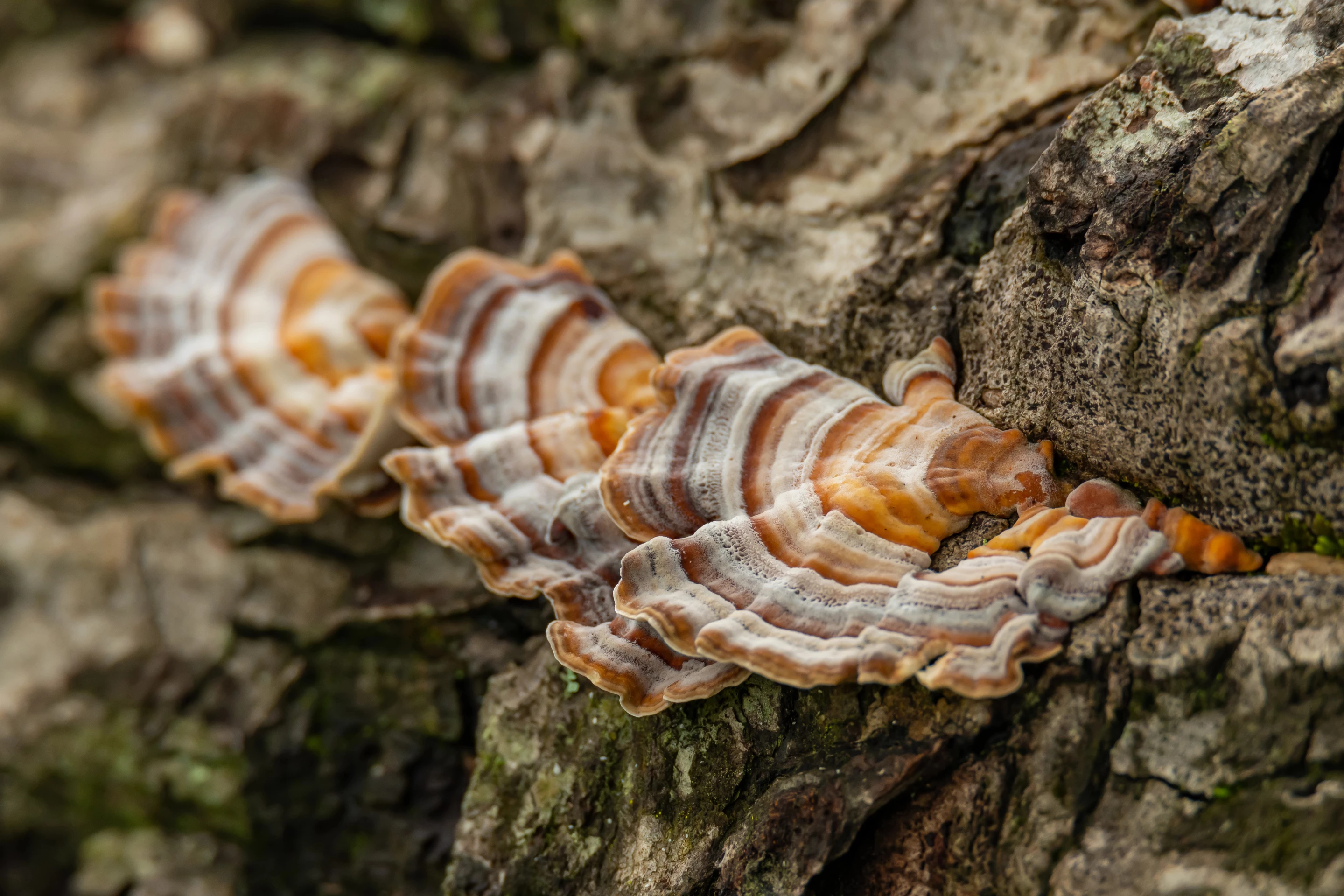
A research team at the University of Maine aims to develop a food-safe coating that is both environmentally friendly and resistant to water, oil and grease. They chose the mycelium of the "Trametes versicolor" mushroom (scientific name: Trametes versicolor). Mycelium is the root-like structure of mushrooms growing on wood, exhibiting dense, feathery fibers that are naturally waterproof. The researchers combined this with tiny wood fibers known as nanofibers used in the papermaking process to create a coating with good barrier properties to oxygen, oil and grease.
Associate Professor Caitlin Howell, corresponding author of the study, said: "We want to help reduce plastic waste in landfills and oceans by providing more alternatives to single-use plastics. Nature has provided us with elegant, sustainable solutions to help achieve this goal."
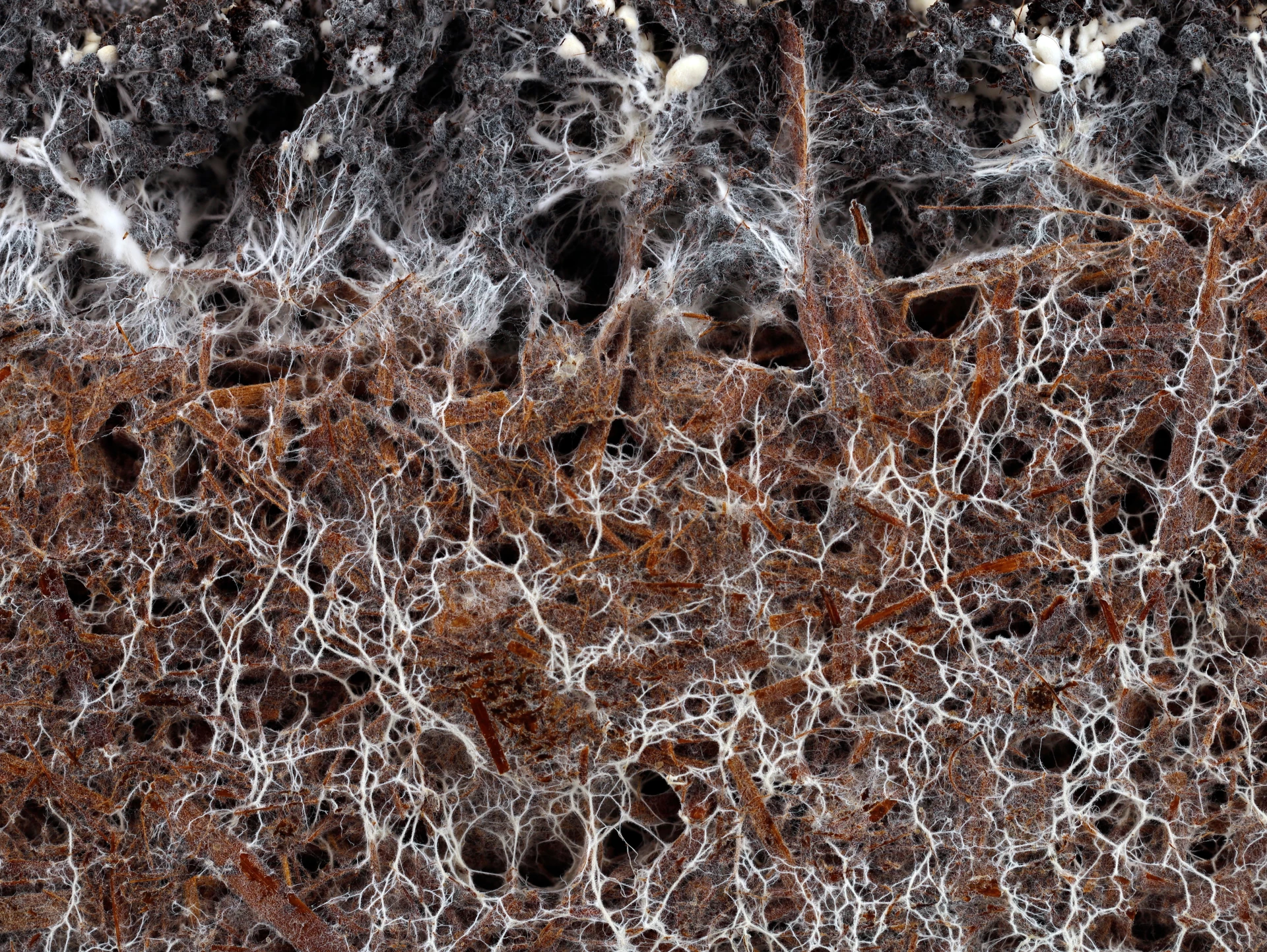
During the experiment, the fungus-wood fiber combination was coated in thin layers on a variety of materials, including paper, denim, polyester felt and birch veneer, and dried in an oven for a day. After three days of incubation in a warm environment, the mycelium coating formed a waterproof base as thick as paint, and by the fourth day yellow, orange or brown patches appeared on the surface.
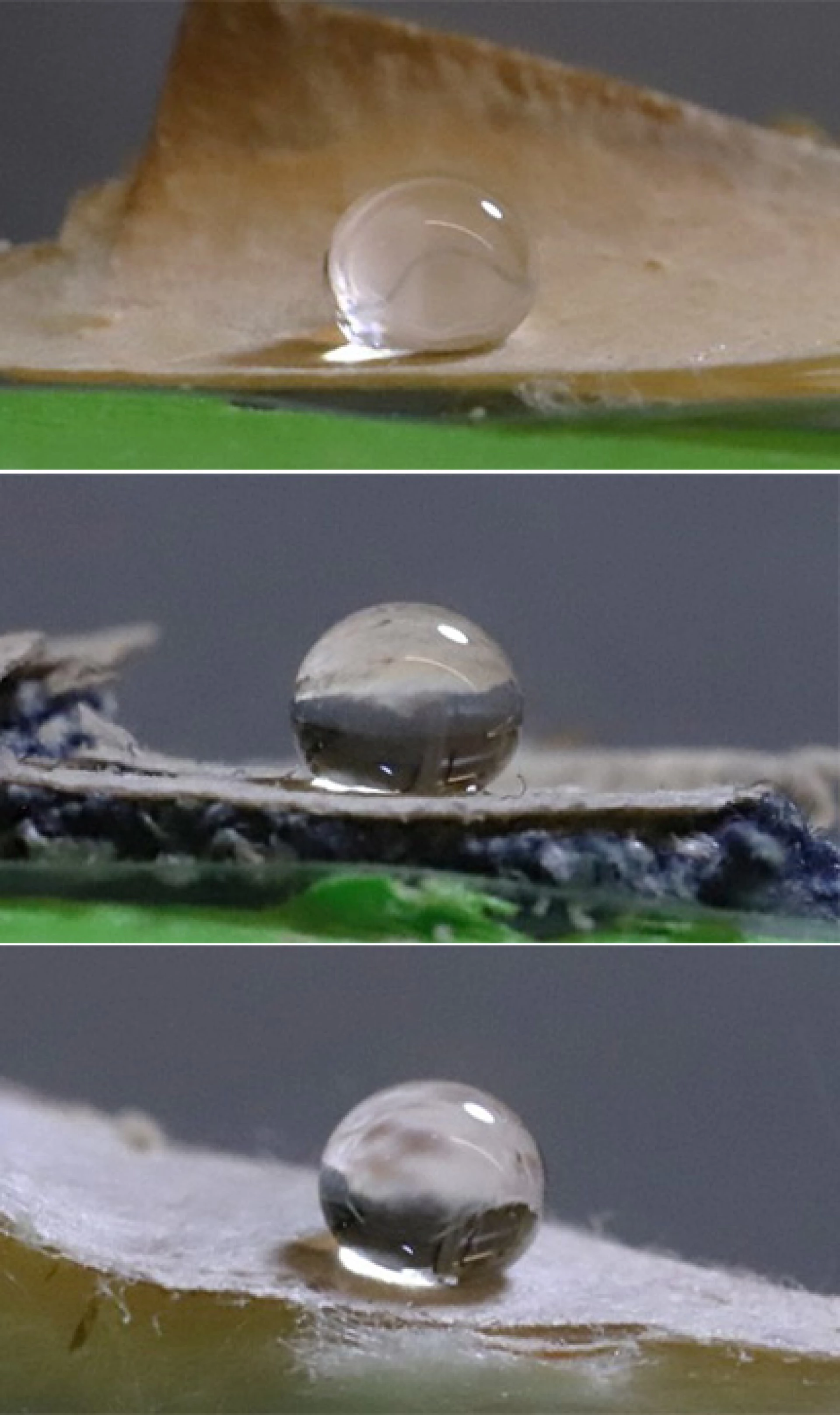
When water beads are added to the surface of these coatings, the water droplets will form small balls and roll off, while on untreated surfaces, the water droplets will spread or completely penetrate. The fungal coating also effectively blocks the penetration of other liquids such as fuel n-heptane, solvent toluene, and castor oil, demonstrating great potential as a barrier to multiple liquids.
In recent years, new materials based on mycelium have been increasingly used in the construction field. For example, scientists from Nanyang Technological University in Singapore used "elephant skin" mycelium tiles made from oyster mushrooms and remaining scraps of bamboo. Not only does it have a unique surface, it can also help passively cool buildings during hot seasons and improve energy efficiency. The University of Newcastle in the UK is also developing "fungal concrete", which is made from filler materials such as mycelium and grains for use in building structures.