Nearly 30 years have passed since the relevant patents in the United States were approved. Although MP3 no longer represents the latest audio compression technology, it is still widely used in media players, browsers, in-vehicle systems and various embedded devices, and strongly evokes people's memories of the early Internet era - an era when "grabbing tracks, building music libraries, and transferring files" were the core rituals of online life, rather than today's model where cloud services are completely processed in the background.

The landmark node was the "Digital Encoding Process" patent No. 5,579,430 granted by the United States to Germany's Fraunhofer Institute on November 26, 1996, which laid the foundation for later peer-to-peer music sharing, iTunes, and today's streaming services. This process, MPEG Audio Layer III, better known as MP3, translated decades of research in the psychology of hearing into a practical encoder that allowed high-fidelity music to be delivered at an acceptable size in the era of dial-up Internet access and early small-capacity hard drives.
The origins of MP3 can be traced back to European laboratories in the 1970s and 1980s: Dieter Seitzer's team tried to transmit music through ordinary telephone lines, and Karlheinz Brandenburg, known as the "father of MP3," focused on applying psychoacoustic models such as human auditory masking to digital encoding schemes, with the goal of greatly reducing the bit rate while as close as possible to the subjective sound quality of CD (44.1 kHz, 16 bit). The final Layer III design uses a hybrid filtering structure that combines polyphase filtering and improved discrete cosine transform, and uses a psychoacoustic model to determine which sound details will be masked in the human ear, so that these components can be more aggressively compressed or even discarded directly without significantly affecting the listening experience.
The report writes that the huge influence of MP3 comes first from the amazing compression rate: common encoding can reduce the file size by 75%–95%, and a three-minute song is only about 3 MB at 128 kbps, which is crucial in an era when storage is measured in MB and Internet access is charged by the minute. As desktop software quickly supported MP3 ripping and playback, early applications on the Windows platform (such as Winamp) became the management center for local compressed music libraries, and various encoding libraries and command line tools allowed users to automatically convert CDs to MP3 at their preferred bitrate.
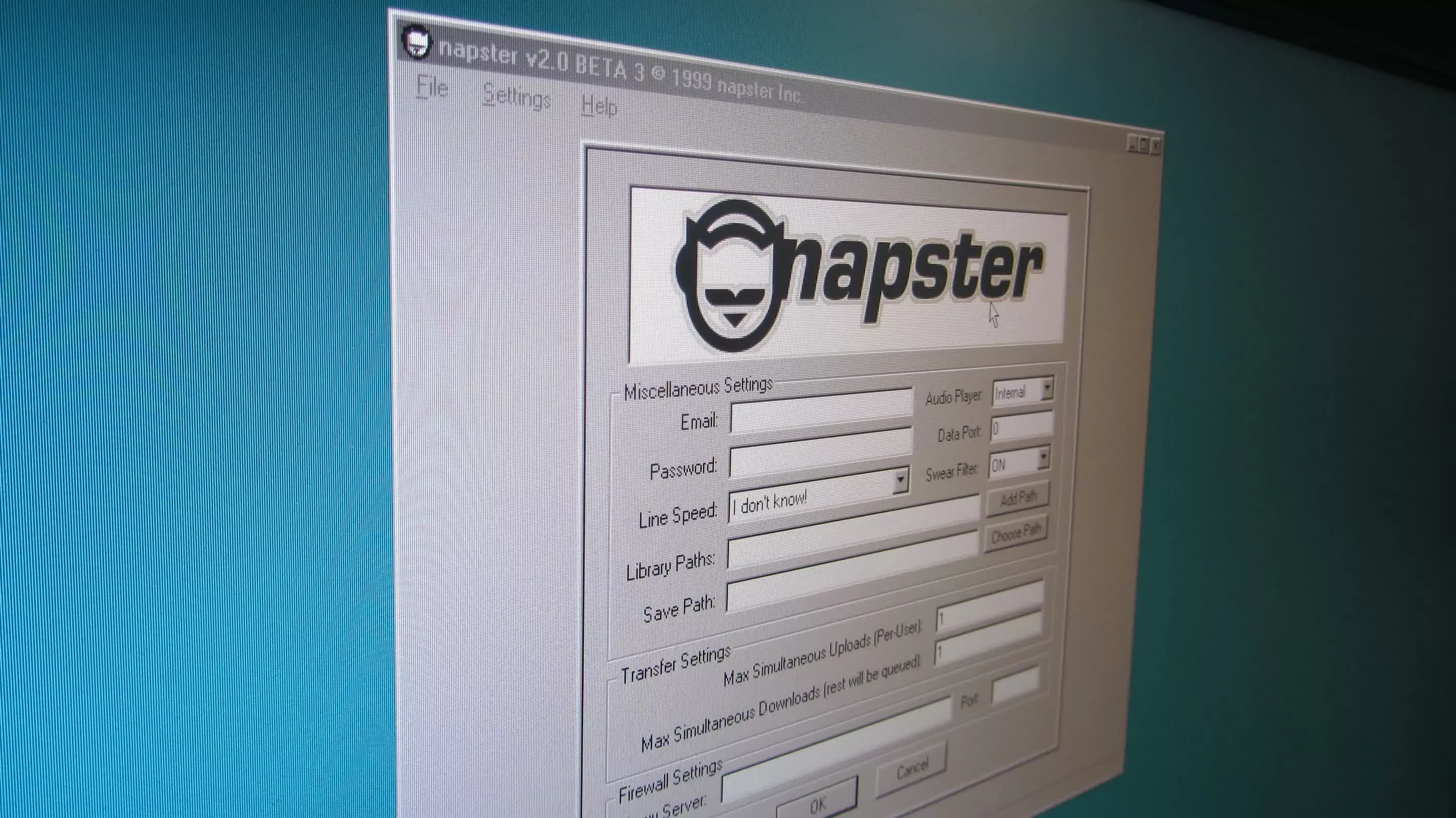
Once software encoders became popular, it became easy to convert CDs to MP3 and share them through FTP, private servers, and later peer-to-peer networks, often without the permission of the copyright owner; Napster debuted in 1999 and built a special indexing and sharing system around MP3, turning users' personal collections into a distributed giant music library, open to the outside world with the help of faster and faster home broadband.
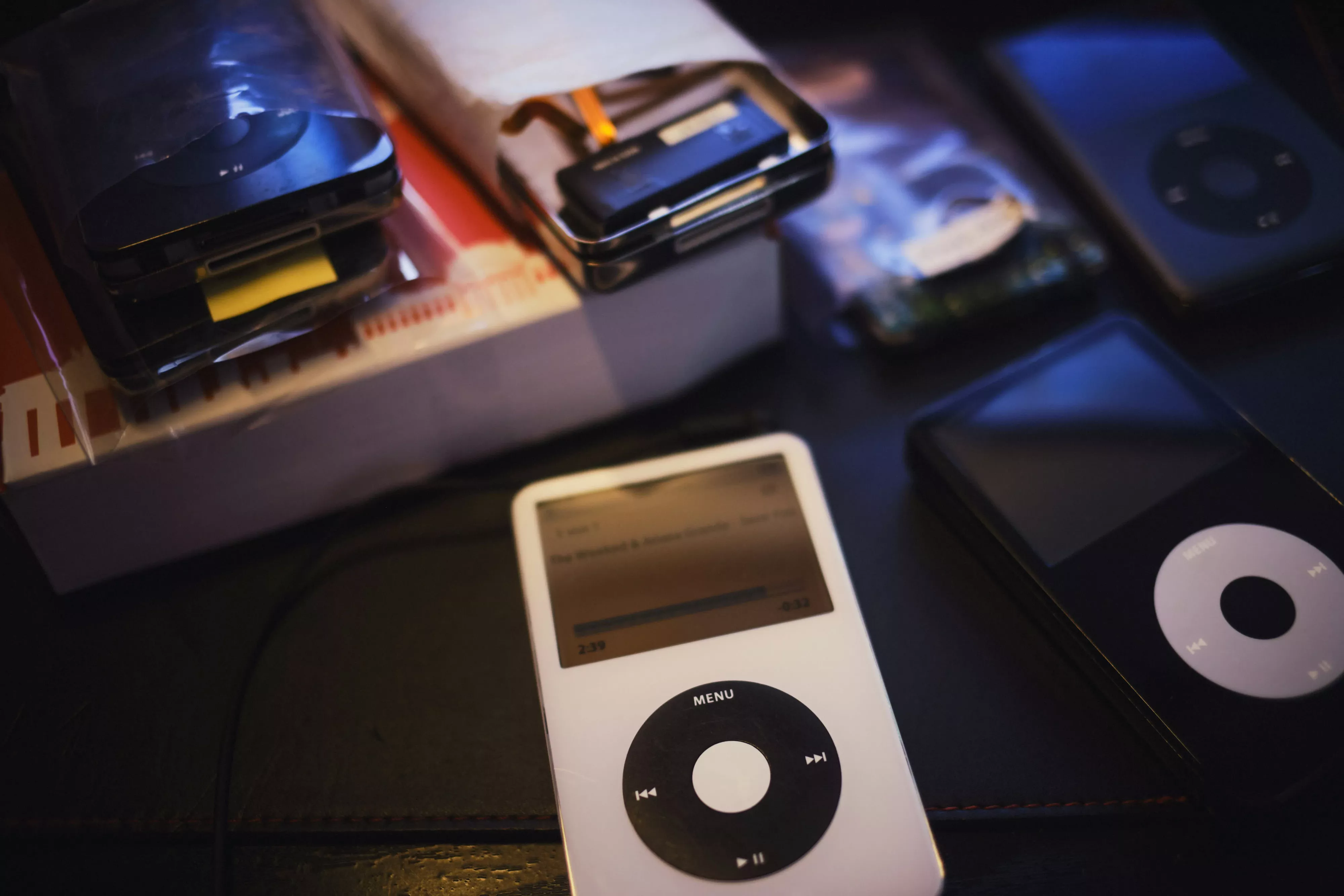
In addition to software, hardware manufacturers have also quickly followed up, using emerging solid-state storage to launch portable MP3 playback devices, such as South Korea's Saehan's MPMAN and the United States' Diamond Multimedia's Rio 100, which store compressed audio through flash memory and provide a simple track browsing interface. The article pointed out that when Apple entered the game in the early 2000s, it integrated MP3 and compatible encoding formats into a highly integrated ecosystem: iTunes, launched in January 2001, was responsible for ripping tracks, music library management, and device synchronization. The first iPod, launched in the same year, used a small hard drive and a scroll wheel interface to support MP3 and other formats.
The iTunes Music Store, launched in 2003, has signed agreements with major record labels to offer hundreds of thousands of songs in the form of singles for $0.99, proving that compressed digital music can be sold legally on a large scale through controlled stores, rather than just circulated informally through the open network.
Nowadays, mainstream music consumption has shifted to streaming media platforms, which transmit audio at adaptive bit rates on broadband and 4G/5G networks. MP3 has technically become more of a "legacy format" and the lowest compatible standard in the minds of users. But these streaming services are still built on the same core idea as the MP3 revolution - using psychoacoustic-driven lossy compression to turn music into data that can flow efficiently between networks and devices.