On December 6, streaming giant Netflix announced on Friday that it would acquire Warner Bros., including the film and television studio, HBO and HBO Max streaming business, for US$72 billion. The Financial Times published an insider article on this, revealing why Netflix, which was previously not optimistic, was able to defeat the popular Paramount and unexpectedly win over Warner Bros.
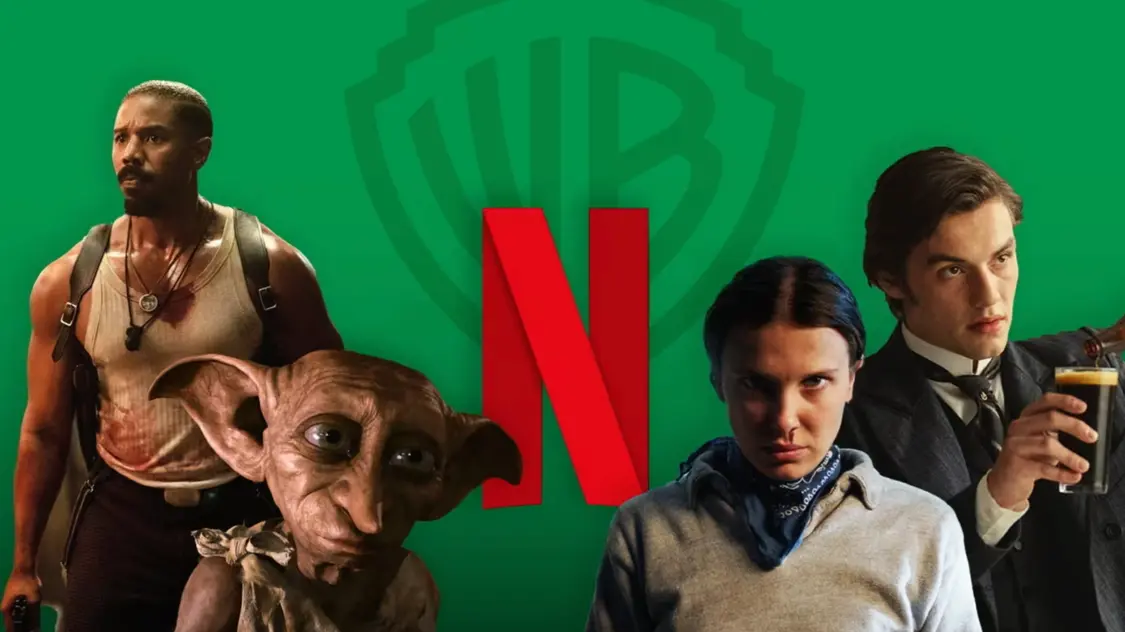
Netflix unexpectedly wins
Netflix's win is also a stunning win for David Zaslav, CEO of Warner Bros. parent company Warner Bros. Discovery (WBD). Just a few weeks ago he looked set to be replaced by the ambitious 42-year-old David Ellison. However, Zaslav succeeded in sparking a multi-party bidding war, which not only boosted the company's depressed stock price, but also found a buyer willing to let him continue as the head of WBD's production business.
This summer, Ellison just acquired Paramount for $8 billion. Before the ink on the contract was dry, he set his sights on WBD in September and began a bidding war.
Bidding begins
Zaslav was annoyed by Ellison's acquisition contacts. He has already announced plans to spin off WBD: he will continue to be in charge of the company's flashier, faster-growing studio, streaming and HBO businesses, while divesting the traditional TV channel business that has dragged down the stock price.
But according to people familiar with the matter, the WBD board realized it had to act quickly or risk losing control of the situation. As a result, WBD officially launched the bidding process in October, and Zaslav began actively looking for other buyers. "Paramount is clearly not going to give up," said a person involved in the sale.
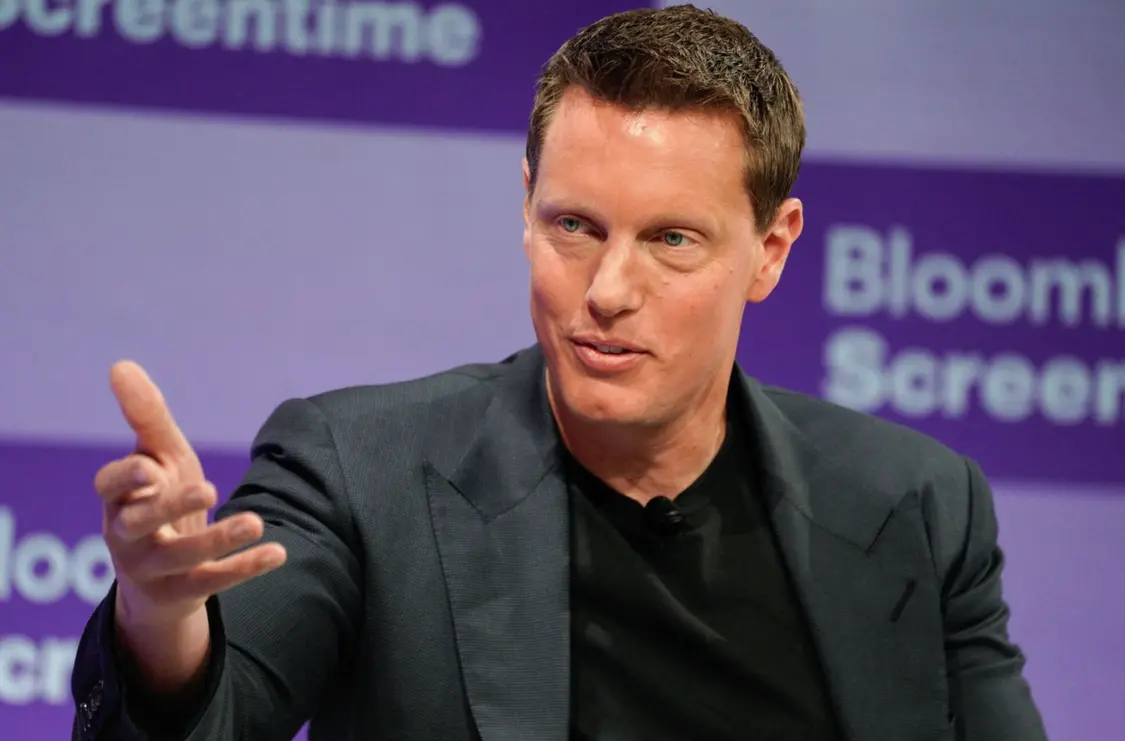
Ellison is determined to win Warner Bros.
Within WBD, the sale plan is codenamed "Plan Sterling." The bidders were all given code names: Netflix was code-named "Noble," WBD itself was code-named "Wonder," Paramount was code-named "Prince," and Comcast was code-named "Charm."
Because Ellison is very eager to acquire WBD, coupled with the abundant financial support of his father, the world's top rich man Larry Ellison (Larry Ellison), and additional investment endorsements from Apollo Global Management and Saudi Arabia, WBD has almost become Ellison's bag. U.S. President Trump appeared to publicly support Warner Bros. being acquired by Paramount, telling the media that "the Ellison family is my friend."
Netflix strikes out quietly
Meanwhile, Netflix appears to be downplaying its acquisition intentions. In October this year, the company's co-CEO Greg Peters said at a Bloomberg conference: "We are adhering to the builder gene, not the acquirer tradition. Large media mergers and acquisitions have historically been mediocre."
To maintain bidding momentum, WBD set an extremely tight timetable, requiring bidders to revise terms within days that would normally take weeks. A person close to WBD CEO said: "This matter is too important and affects too many people. We must move forward quickly and cannot delay."
For six weeks, WBD board members attended nearly daily emergency meetings, worked through the night to draft terms, and entered into difficult negotiations over the Thanksgiving weekend.
The bidding heats up this week, with final bids due on Monday morning. Netflix, Paramount and Comcast each submitted completely different proposals. After hours of debate Thursday night, WBD's board of directors met behind closed doors and reached an agreement: to accept Netflix's offer.
Netflix was not the clear front-runner for the bid; it had never attempted a deal of this magnitude. But within the WBD board of directors, one factor trumped price considerations: Netflix submitted a complete and mature acquisition proposal.
“At all substantive levels, Netflix is ready to execute this deal,” said a person involved in the sale negotiations. The Netflix team responded to all requests item by item for ten consecutive days, tightened the terms, and agreed to pay a breakup fee of US$5.8 billion, which will be one of the highest termination fees in history.
Sign now
What the WBD board wanted was a plan that could be signed immediately. That night, only Netflix's plan was fully executable. “The contract was signed within minutes of the vote closing,” said a person involved in the deal.
Netflix's offer met all the requirements of the WBD board of directors. In order to facilitate the transaction, they are also willing to accept the modifications proposed by the other party. By contrast, Paramount and Comcast were still trying to negotiate certain terms at the time, according to people familiar with the matter.
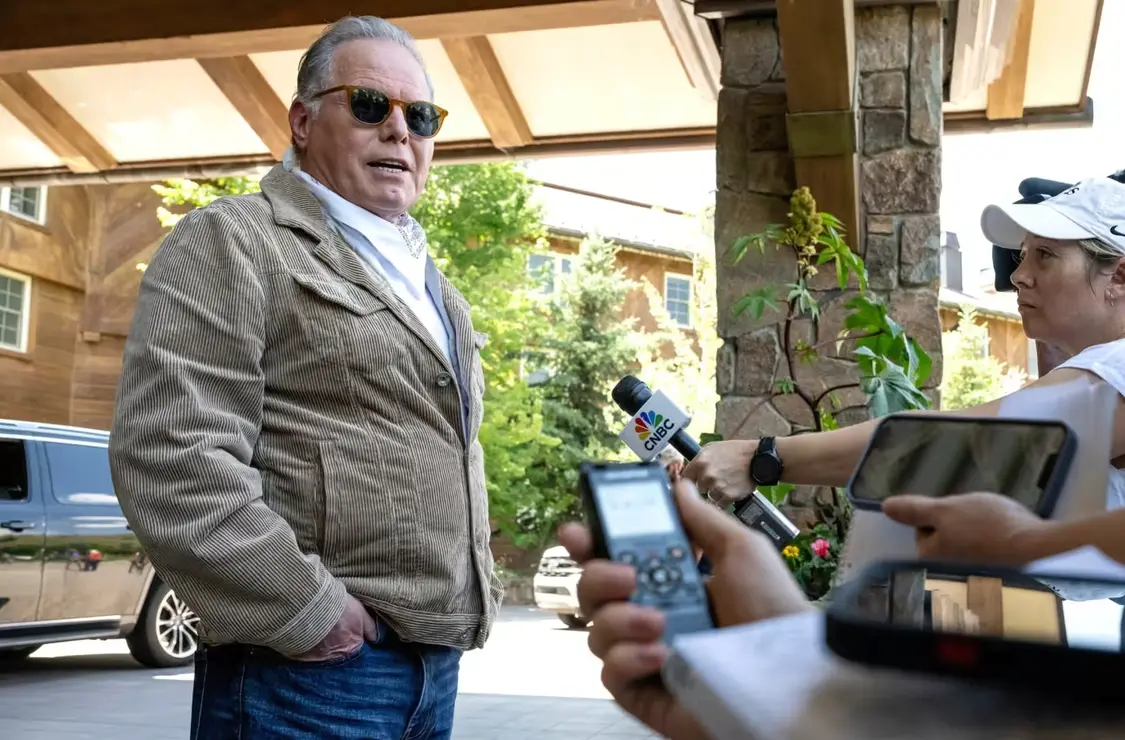
WBD CEO Zaslav
Even Netflix insiders say they considered themselves a fringe player in the deal until recently. "We always thought the chances of winning were slim, after all, Paramount intervened early and violently," a senior executive revealed, "even though we thought our plan and strategy were better."
A person familiar with the matter said that Zaslav is likely to retain operational control of the production business even after Netflix completes the takeover, although a formal agreement has not yet been signed. Under Paramount's deal, he would not be able to enjoy such treatment because he would need to share the CEO position with Ellison.
antitrust hurdles
Netflix said it expects the deal to close within 12 to 18 months. But people close to U.S. regulators said the process could take longer as the deal is expected to face serious antitrust hurdles. A person close to a Trump administration regulatory official said a merger between the two largest U.S. streaming platforms would likely be viewed as anticompetitive.
Netflix executives said they were confident of overcoming any antitrust concerns, citing the large and diverse entertainment market and the shift of viewers to digital platforms such as YouTube.
Mike Proulx, an analyst at research firm Forrester, said that if the deal is completed, it will make Netflix "a giant in the field of streaming services" and trigger "a drastic change in the entertainment industry."
However, Netflix shares fell 4% at the open on Friday, indicating investor skepticism about the acquisition.