As soon as winter comes, this winter-limited dish from Sichuan and Chongqing will be served on the dining table. Does it feel familiar when you see it? In fact, it is the original mustard we often eat - cabbage head.
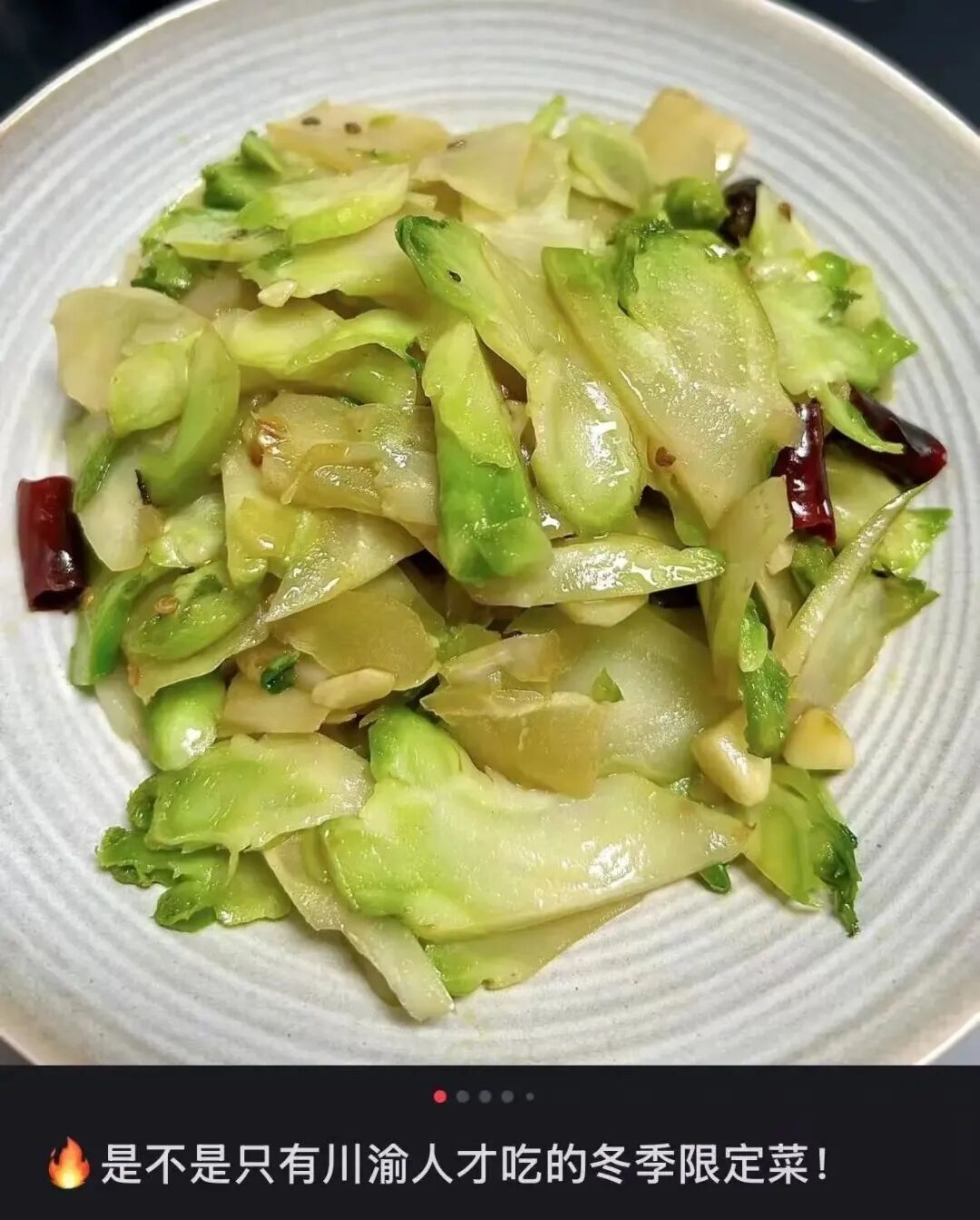
Source: A social platform
Even though today’s life is very convenient and fresh vegetables can be eaten all year round, many people still have a special liking for pickles, and a variety of pickles will still appear on the table from time to time. A bowl of porridge, a trip, or a simple meal can all awaken the taste buds with the addition of pickles.
But what many people don’t know is that their “real forms” are actually more magical. It’s a pity that they are only used to make pickled mustard! Let’s find out today~
Why do you prefer this pickle?
In fact, the reason why everyone is so fond of pickles stems from the superposition of many aspects. The principle of pickling is mainly to utilize the high osmotic pressure of salt, the fermentation of microorganisms, the hydrolysis of protein and a series of other biochemical changes. Ultimately, the pickles are not only conducive to preservation, but also have unique color, aroma and taste. [1]
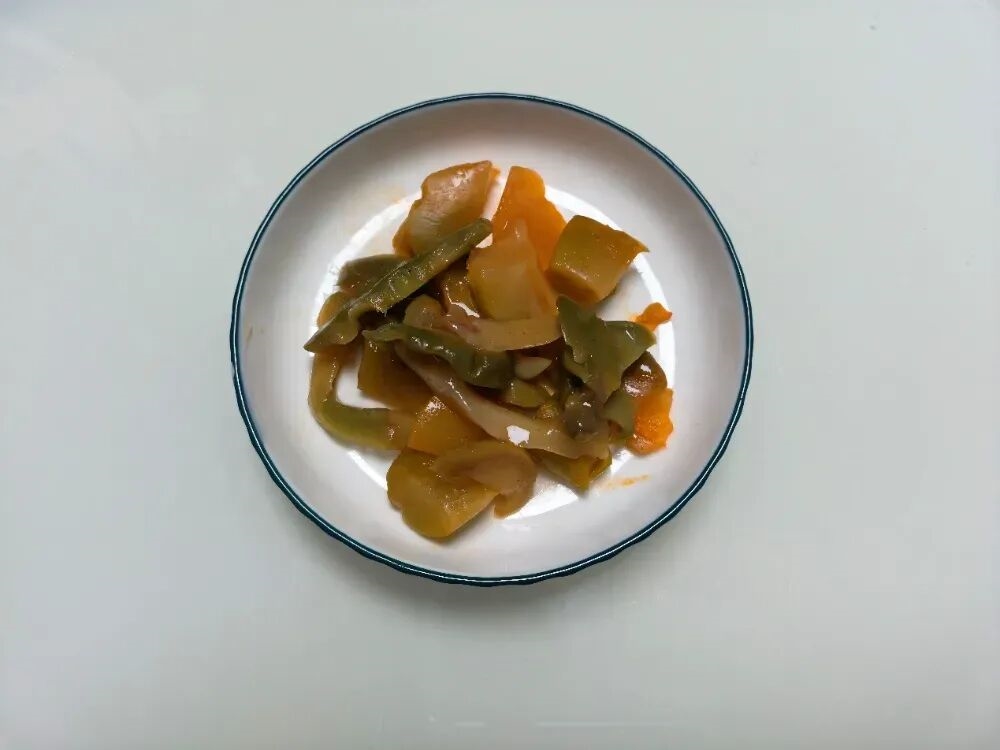
Picture: taken by myself
1. Taste satisfaction, salty + fresh
The taste of pickles is not only the saltiness brought by the addition of salt, but also the obvious umami flavor. This is because vegetables contain a certain amount of protein. During the pickling process and post-ripening period, the protein in vegetables is decomposed into amino acids due to the action of microorganisms and the proteolytic enzymes contained in the vegetables themselves.
Among them, alanine with a pleasant aroma, aspartic acid and glutamic acid with an umami taste, and glycine with a sweet taste have a greater impact on the flavor of pickles. Especially aspartic acid and glutamic acid, in addition to their own freshness, they can also combine with the sodium ions in pickles to make them more delicious.
2. Sour, sweet, spicy, various flavors
Most pickles are salty and fresh, and may also be given a variety of flavors such as sour, sweet, spicy, etc.
In addition to the added vinegar, the sourness can also come from the lactic acid fermentation during the pickling process. In addition to lactic acid, the final product also has a small amount of formic acid, acetic acid, succinic acid, etc., which bring a slightly sour and refreshing taste to the pickles; the sweetness comes not only from the possible addition of In addition to the sugar, it is also related to the sweet amino acids produced by protein hydrolysis during the pickling process, such as glycine, proline, serine and tryptophan; [2] As for the spiciness, it mainly comes from artificially added spices, such as peppers, ginger, garlic, green onions, etc.
3. Unique flavor and aroma stimulate appetite
The obvious difference from fresh vegetables is the unique flavor and aroma of pickles. During the process of pickling pickles, many substances will produce aroma.
For example, protein hydrolysis will produce alanine with a pleasant aroma; lactic acid bacteria fermentation will produce a small amount of ethanol, giving pickles an ethanol aroma; ethanol and organic acids undergo an esterification reaction to produce esters with a fruity aroma; there are also flavor substances such as aldehydes, ketones, and sulfur-containing compounds.
Crucially, pickling can make some vegetables with undesirable flavors delicious.
For example, mustard greens contain pungent, bitter and spicy glucosinolates, which many people do not like when eaten raw. But if it is pickled into pickles, this component will be enzymatically decomposed and converted into isothiocyanate compounds, which can not only weaken the unpleasant tastes such as pungency, bitterness, and astringency, but also increase the aromatic smell.
4. The taste changes, crunchy and crispy
During the pickling process, due to the osmosis of salt, the vegetable cells are forced to dehydrate, which not only improves the storage stability of the pickles, but also makes the taste tough and chewy, making it crispy when eaten. This crisp sound when chewing can make people feel happy and increase appetite.
It can be seen that pickles can make plain food "flavorful" and make people obsessed with taste, smell, hearing and other aspects. In terms of nutrition, although pickled vegetables will lose some vitamin C, minerals, some phenolic substances and other nutrients, they will also produce some bioactive substances, short-chain fatty acids, organic acids and other ingredients that are beneficial to the human body. [3]
Don’t underestimate the “real body” of pickles, they are also nutritious
Behind the delicious taste of pickles, we often overlook the original appearance of these ingredients. In fact, if the "high salt" aspect is thrown out, the "real body" of pickles is quite nutritious. Looking at pickle jars across my country, there are all kinds of pickles, such as pickled mustard, platycodon, tribute vegetables, manna seeds, radish, cucumber, etc.
Among them, mustard is the most famous and popular. Its fresh raw material is tuber mustard, which is a variant of mustard. It is also called cabbage. It is a cruciferous vegetable and is rich in nutrients. In particular, the dietary fiber and mineral potassium content are somewhat competitive among vegetables.

Picture: taken by myself
1. Dietary fiber
The insoluble dietary fiber content of green cabbage is as high as 2.8 g/100 g,[4] which is higher than that of radish, kohlrabi, cabbage, etc., which are also members of the cruciferous family. The total dietary fiber of some varieties can reach more than 9 g/100 g[5]. Adequate dietary fiber intake is of great significance to maintaining good health, such as stabilizing blood sugar after meals, helping to control weight, and preventing intestinal diseases.
The "2023 Reference Intake of Dietary Nutrients for Chinese Residents" recommends that adults should consume 25 to 30 grams of dietary fiber every day. However, according to the "White Paper on Dietary Fiber Intake of Chinese Residents", the dietary fiber intake of adults in my country is generally insufficient and is showing a downward trend. Less than 5% of the population can meet the minimum recommended amount. We really need to work hard in this regard.
Fresh green cabbage heads can help supplement dietary fiber. Eating 100 grams (about 1/5) can meet nearly 12% of the minimum recommended daily dietary fiber for ordinary adults. This contribution is really not small.
2. Mineral Potassium
The potassium content of fresh cabbage heads is also very rich, at 316 mg/100 g, [4] which is higher than the potassium-supplemented bananas that everyone talks about.
The key is that the calories of fresh green cabbage are very low, only 13 kcal/100 grams, which is lower than radish, broccoli, etc. Eating it to supplement potassium will not cause the burden of gaining weight.
Supplementing more potassium in daily life can not only help us stabilize blood pressure, offset the damage caused by high-sodium diet, help reduce the risk of cardiovascular disease, but also maintain the normal function of myocardium.
The "2023 Reference Intake of Dietary Nutrients for Chinese Residents" recommends that adults' daily potassium intake should reach 2,000 mg, and the daily intake for preventing chronic diseases should reach 3,600 mg.
According to the "Energy and Major Nutrient Intake of Chinese Residents 2015-2017" by the Chinese Center for Disease Control and Prevention, the average daily potassium intake of Chinese residents is 1,547 mg, which is still far from the daily recommended amount, and far from the amount required to prevent chronic diseases.
Fresh green cabbage heads are a powerful assistant in replenishing potassium. Eating 100 grams can meet nearly 16% of the daily recommended amount.
As a cruciferous vegetable, glucosinolates are an important nutritional component of mustard greens, and their hydrolyzate is also the main source of the "vegetable flavor" of mustard.
This substance is relatively stable in intact plants and is easily decomposed by glucosinosidase. When plant tissues and cells are damaged, it will be rapidly decomposed by its own myrosinase to form a variety of different degradation products, which have many health benefits for the human body, such as preventing chronic diseases, anti-cancer, anti-oxidation, etc. [6]
Some epidemiological evidence shows that high dietary intake of cruciferous vegetables is associated with reduced incidence of cancer, such as gastric cancer, breast cancer, lung cancer, etc. [7]
Don’t ruin the good ingredients by marinating them, it’ll be delicious this way too
Although pickles are nutritionally good in their original form, the sodium content doubles after being pickled into pickles. While enjoying the delicious taste of pickles, you must also face the health risks it may bring.
High salt is not only detrimental to blood pressure control, but can also damage the gastric mucosa and accelerate calcium loss, thereby affecting bone health; if the pickling time is insufficient (more than 20 days is required), the nitrite content is high, which will increase the risk of poisoning; some pickles add sugar to balance the taste, which unknowingly increases sugar intake. Therefore, after vegetables are made into pickles, it is recommended to eat less occasionally.
In fact, there are many other ways to open the "real body" of pickles, which can better display the nutritional value and also bring surprises in taste. For example, fresh green cabbage heads are extremely delicious when bought directly and cooked. The most classic ways to make them are cold salad, stir-fried or soup.
1. Cold salad
Fresh green cabbage heads have a unique spicy and fragrant flavor. When processing, first peel off the outermost thick and hard skin, cut into thin slices or filaments, add a small amount of salt and marinate evenly to remove the spiciness and bitterness, then add minced garlic, balsamic vinegar, light soy sauce, chili oil and other seasonings and mix well.
It tastes crispy, tender, spicy, sour and appetizing, and is a healthier side dish than pickled mustard.
2. Stir-fry
Fresh cabbage heads have sufficient water content, up to 95%,[4] and are crisp and tender in texture, making them suitable for stir-frying. Peel off the outer layer of old skin, slice it into slices and fry it together with bacon or sliced meat. After frying, the texture will become soft and tender, and it will also have a natural sweet flavor.
3. Make soup
Slice or dice the green cabbage heads and cook the soup. The green cabbage heads will become soft after being cooked. Because of its addition, the soup will taste delicious and refreshing. If you cook the soup with meat, it can also relieve greasiness.
Summarize:
A plate of pickles on the table is an "artifact" to stimulate appetite, but eating it regularly may increase health risks.
Many of the ingredients we are used to "pickling" are actually quite nutritious in their "real form". Cooking fresh ingredients directly is not only healthier, but also unlocks new delicacies on the table~
References
[1] Wu Huachang, Zhang Weina, Deng Jing, et al. Research progress on flavor substances of pickles [J]. Chinese Condiments, 2010, 35(11): 26-29.
[2] Xu Juandi, Liu Donghong. Research progress on the composition and formation mechanism of pickled vegetable flavor substances [J]. Food Industry Science and Technology, 2012, 33(11): 414-417.DOI: 10.13386/j.issn1002-0306.2012.11.103.
[3] Tan X, Cui F, Wang D, et al. Fermented vegetables: health benefits, defects, and current technological solutions[J]. Foods, 2023, 13(1): 38. doi:10.3390/foods13010038.
[4] Yang Yuexin. Chinese Food Composition List 6th Edition Volume 1[M]. Peking University Medical Press, 2018
[5] Mo Yanling, Liu Yihua, Zeng Jing, et al. Analysis and evaluation of nutritional quality of stem mustard core germplasm resources [J]. Chinese Vegetables, 2021, 34(03): 52-58. DOI: 10.16861/j.cnki.zggc.2021.0059.
[6] Hu Xiangyun, Hu Min, Tan Xiangguo, et al. Study on the changes in fresh weight and total glucosinolates of tumor stems in the late vegetative growth stage of tuber mustard [J]. Northern Horticulture, 2014, (24): 24-27.
[7] Chinese Nutrition Society. Dietary Guidelines for Chinese Residents[M]. People's Health Publishing House. 2022
[8] Gai Qionghui, Wang Chunlin. Determination and comparative analysis of nutritional components of manna seeds [J]. Anhui Agricultural Sciences, 2016, 44(34): 62+66.DOI: 10.13989/j.cnki.0517-6611.2016.34.022.
[9] Zhang Shufang, Su Yongheng, Ye Bing, et al. Analysis of nutritional components of silver bars [J]. Henan Journal of Preventive Medicine, 2014, 25(06): 453-454.DOI: 10.13515/j.cnki.hnjpm.2014.06.019.
Planning and production
Author丨Xue Qingxin, registered nutritionist, member of Chinese Nutrition Society
Review | Ruan Guangfeng, deputy director of Kexin Food and Health Information Exchange Center and member of the Health Communication Branch of the Chinese Association of Preventive Medicine
Planning丨Zhang Yinuo
Editor丨Zhang Yinuo
Review | Xu Lai Zhang Linlin