The U.S. Federal Communications Commission approved SpaceX to deploy an additional 7,500 second-generation Starlink satellites, bringing the total number of second-generation satellites approved for operation to 15,000. This authorization allows technology upgrades and multi-band operations, aiming to support satellite direct-connect mobile phone services and achieve up to 1Gbps network speed. The agency requires SpaceX to complete 50% of its launch missions by December 2028 and complete all deployments by 2031.
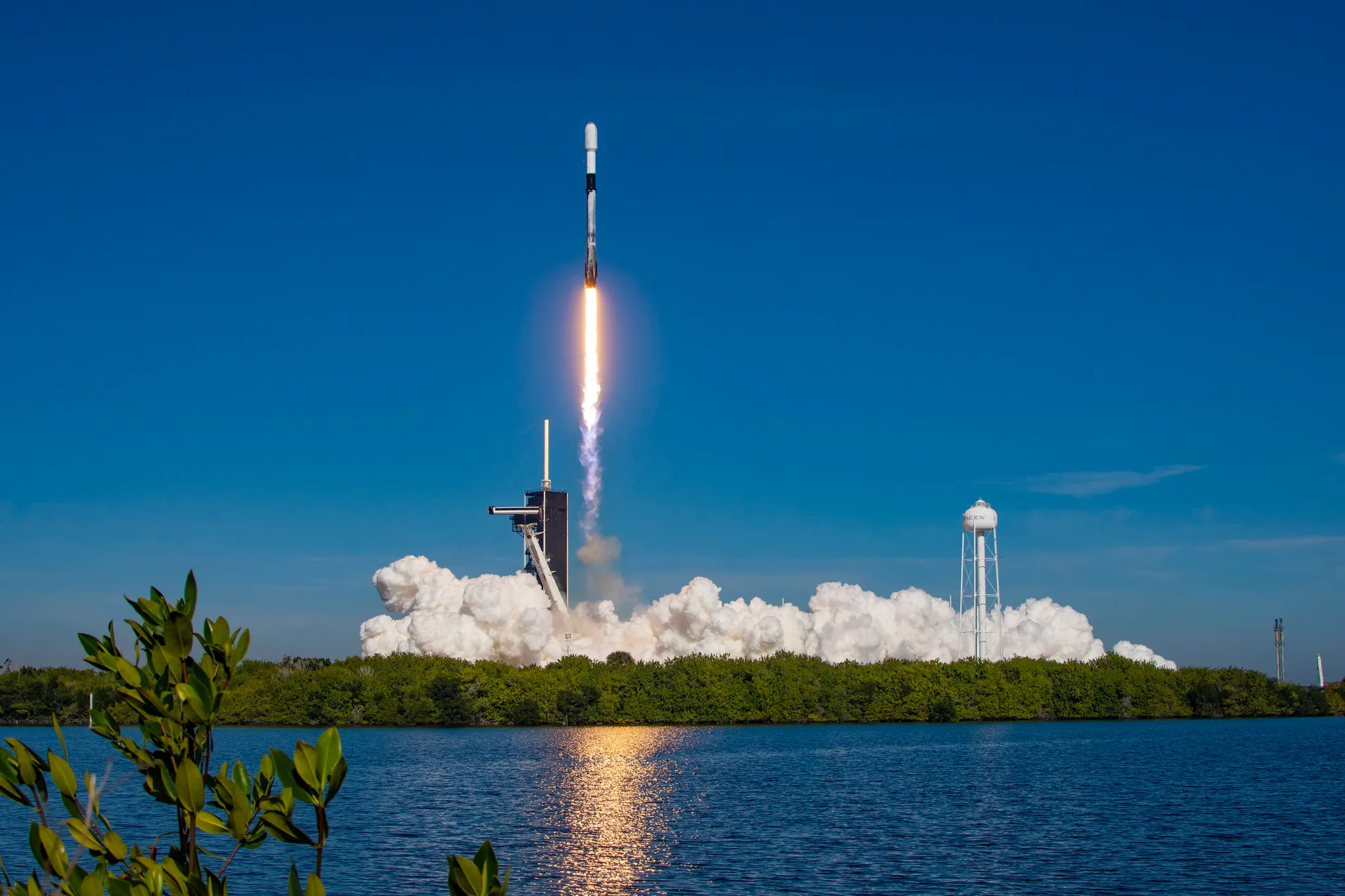
The regulatory green light comes on, and SpaceX’s global satellite Internet expansion reaches another key milestone.
The U.S. Federal Communications Commission (FCC) announced on Friday local time that it has officially approved SpaceX’s application to deploy an additional 7,500 second-generation (Gen2) Starlink satellites. The decision marks further support from U.S. regulators for Elon Musk's space exploration company's expansion into global internet services.
The FCC stated that this approval allows SpaceX to operate an additional 7,500 second-generation Starlink satellites, bringing the total number of second-generation satellites approved for operation in orbit worldwide to 15,000. In addition to the quantitative expansion, the committee also approved SpaceX’s technical upgrade of the satellite, allowing it to operate across five frequency bands. It is worth noting that the FCC exempted previous regulations that restricted the overlap of satellite signal coverage and restricted the improvement of network capacity, clearing regulatory obstacles for SpaceX to improve service quality.
The agency pointed out that the additional satellites will be of key strategic significance. They will provide satellite direct-to-cell network services outside the United States and strengthen network coverage capabilities in the United States. These technological upgrades will not only support the next generation of mobile communication services, but will also significantly improve network performance and are expected to achieve an Internet speed of up to 1 gigabit per second (1 Gbps).
FCC Chairman Brendan Carr spoke highly of this approval, saying: "This FCC authorization is a game changer for enabling next-generation services." Carr emphasized: "By authorizing 15,000 new advanced satellites, the FCC has given SpaceX the green light to provide unprecedented satellite broadband capabilities, strengthen competition, and help ensure that no community is forgotten."
The total number of approved products reaches 15,000
According to reports, SpaceX had previously sought approval to deploy nearly 30,000 satellites, but the FCC has only approved a deployment plan for a total of 15,000 satellites. The FCC made it clear in its statement: "We find that it is in the public interest to authorize additional satellites, even if the second-generation Starlink upgraded satellites remain untested in orbit."
The core highlight of this approval is the improvement of technical specifications. By allowing the use of more frequency bands and lifting restrictions on coverage overlap, SpaceX will be able to manage its network traffic more flexibly. The main functions of the new satellites will focus on increasing connection speeds to gigabit levels and supporting direct connections to mobile devices. This is seen as a key step in the integration of satellite Internet and traditional mobile communications.
For the remaining approximately 14,988 proposed second-generation Starlink satellites (including satellites intended to operate in orbits above 600 kilometers), the FCC stated that it will delay authorization. This means that SpaceX’s complete ambitions still need to pass regulatory review in stages.
Clear deployment schedule: 50% of launch missions will be completed by December 2028
In order to prevent idle spectrum resources and ensure the implementation of the plan, the FCC has set strict milestone deployment deadlines for SpaceX.
According to reports,The FCC requires SpaceX to launch and operate 50% of the authorized maximum number of second-generation satellites and deploy them in designated orbits before December 1, 2028. The remaining satellites must be launched by December 2031. In addition, for the first-generation Starlink satellites, the FCC requires SpaceX to complete the deployment of 7,500 satellites by late November 2027.
This timetable shows that while regulators encourage innovation, they also put forward specific requirements for operators' execution capabilities to ensure that spectrum resources can be effectively transformed into actual service capabilities.
Consolidate market dominance
Currently, SpaceX has become the world's largest satellite operator through the Starlink network. The network currently has approximately 9,400 satellites that provide broadband Internet services to consumer, government and enterprise customers.
Former FCC Chairwoman Jessica Rosenworcel urged the introduction of more competition for SpaceX's Starlink constellation in 2024, noting at the time that Starlink controlled nearly two-thirds of active satellites. The statement of the new chairman Brendan Carr shows the regulatory focus on "strengthening competition" and improving service capabilities through capacity expansion.
In terms of operational safety, Starlink said last week that it will begin reconfiguring its satellite constellation during 2026, lowering all satellites operating in orbits of about 550 kilometers (342 miles) to 480 kilometers, a move aimed at increasing space safety. Previously, in December, Starlink reported that one of its satellites experienced an anomaly in space, resulting in a small amount of debris and loss of contact at an altitude of 418 kilometers.