A large observational study based on the French population showed that people with higher intakes of some common food preservatives had a slight increase in their overall cancer risk. These additives are widely found in various industrially processed foods and beverages to extend the shelf life and inhibit deterioration. The research team pointed out that the current results cannot prove that preservatives directly "cause cancer", but they provide new epidemiological evidence for relevant scientific discussions, which may push regulatory agencies to re-evaluate the safety and regulatory standards of related additives.
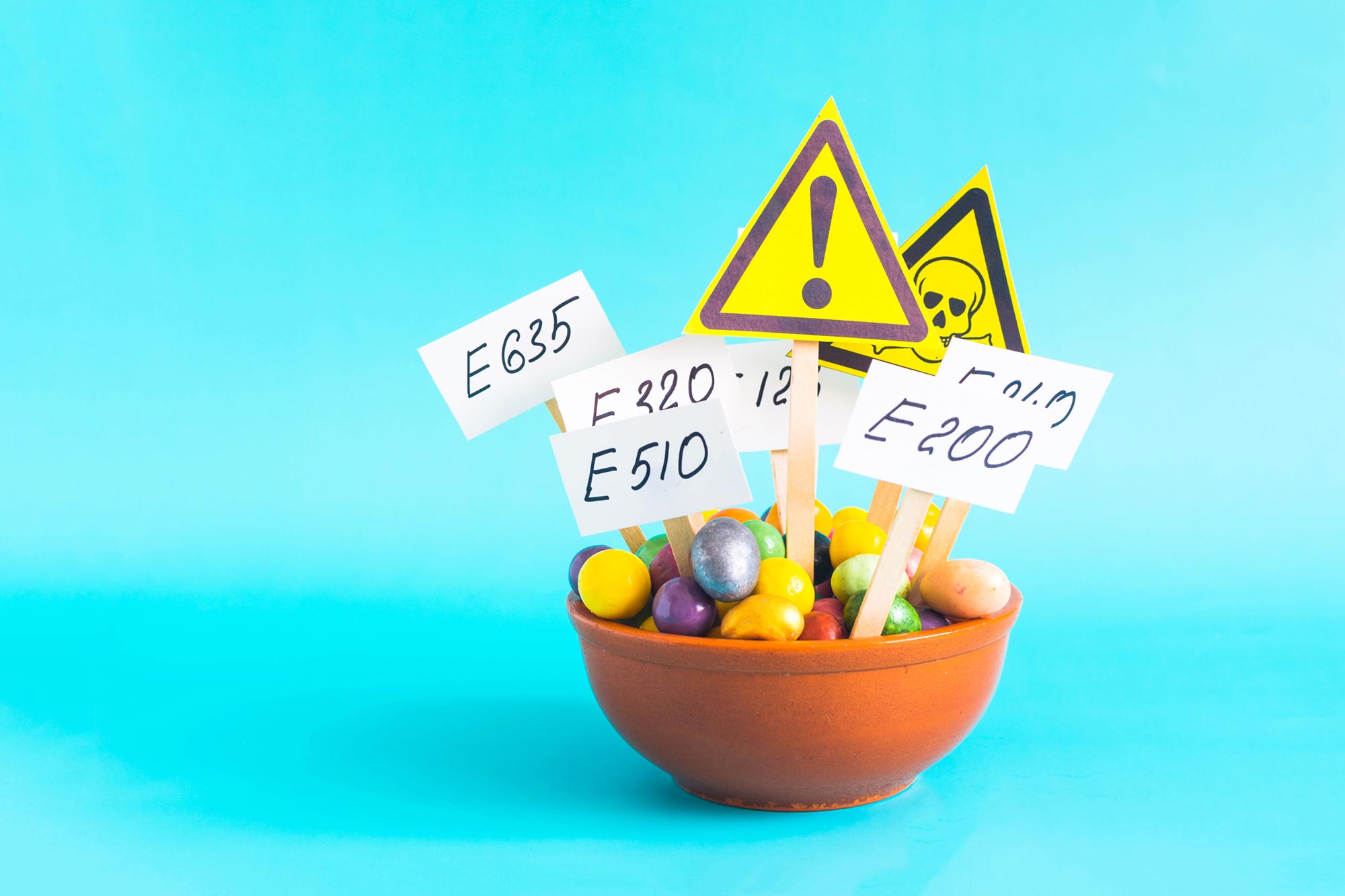
The study was conducted by a French scientific research team from 2009 to 2023. The data came from the continuously tracked NutriNet-Santé cohort, which included 105,260 participants aged 15 years and above with no history of cancer at baseline. The average age was about 42 years old, of which 79% were female. Subjects regularly filled in brand-level 24-hour dietary records during a follow-up period of about 7.5 years. Researchers combined health questionnaires and official medical and death registration data to track new cancer cases as of December 31, 2023.
The study focused on assessing the intake levels of 17 commonly used preservatives, including citric acid, lecithin, total sulfites, ascorbic acid (vitamin C), sodium nitrite, potassium sorbate, sodium erythrate, sodium ascorbate, potassium metabisulfite and potassium nitrate, etc., and divided them into two major categories: one is non-antioxidant preservatives that mainly inhibit microbial growth or slow down chemical reactions, and the other is antioxidant preservatives that delay food deterioration by reducing oxygen exposure. During the follow-up period, a total of 4,226 participants were diagnosed with cancer, including 1,208 breast cancer, 508 prostate cancer, 352 colorectal cancer, and 2,158 other cancers.
At the specific additive level, 11 of the 17 preservatives were not significantly associated with the overall risk of cancer, and the study did not find a clear link between the "total intake of all preservatives" and the overall incidence of cancer, which means that the potential risk is more likely to be concentrated in individual compounds rather than the entire preservative category. Nonetheless, the researchers noted that the results of this analysis, based on 14 years of detailed dietary records and fine matching with food databases, are consistent with findings in some experimental data that certain compounds may have adverse cancer-related effects, reinforcing the need for safety re-evaluation of specific preservatives.
In a paper published in the British Medical Journal (BMJ), the authors called on health agencies to more systematically weigh the potential balance between "preservation and preservative benefits" and "long-term cancer risks" when reviewing such food additives in the future, and urged food manufacturers to minimize the use of unnecessary preservatives. At the same time, the research supports existing nutrition and public health recommendations that encourage the public to choose more fresh, less processed or minimally processed foods, believing that this is a relatively safe individual-level choice in the context of current evidence that is still evolving.
An accompanying editorial by American experts pointed out that from a policy perspective, preservatives do help extend the shelf life of food and reduce costs, and are particularly important for low-income groups. However, their widespread and insufficiently regulated application coupled with uncertainty about long-term health effects highlights the need for a more "balanced" path between regulation and use. Experts suggest that regulatory agencies can consider re-examining existing policies, such as setting stricter upper limits on usage, requiring clearer labeling, and mandatory disclosure of additive types. At the same time, they can draw on the experience of trans fat and salt governance to establish a more systematic monitoring and risk assessment mechanism globally to guide the food industry to adjust formulas.
The editorial also emphasizes that while evidence is still accumulating, public health guidelines have more clearly advocated reducing processed meat and alcohol intake. These behavioral changes are now regarded as actionable cancer prevention measures that are supported by relatively sufficient evidence. Both study authors and editorial writers stated that the current study results should be regarded as an early warning signal for the food safety regulatory framework rather than "conclusive evidence" to cause panic. More cohort studies and mechanism studies are still needed to further clarify the causal relationship between specific preservatives and different cancer types.
Compiled from /ScitechDaily