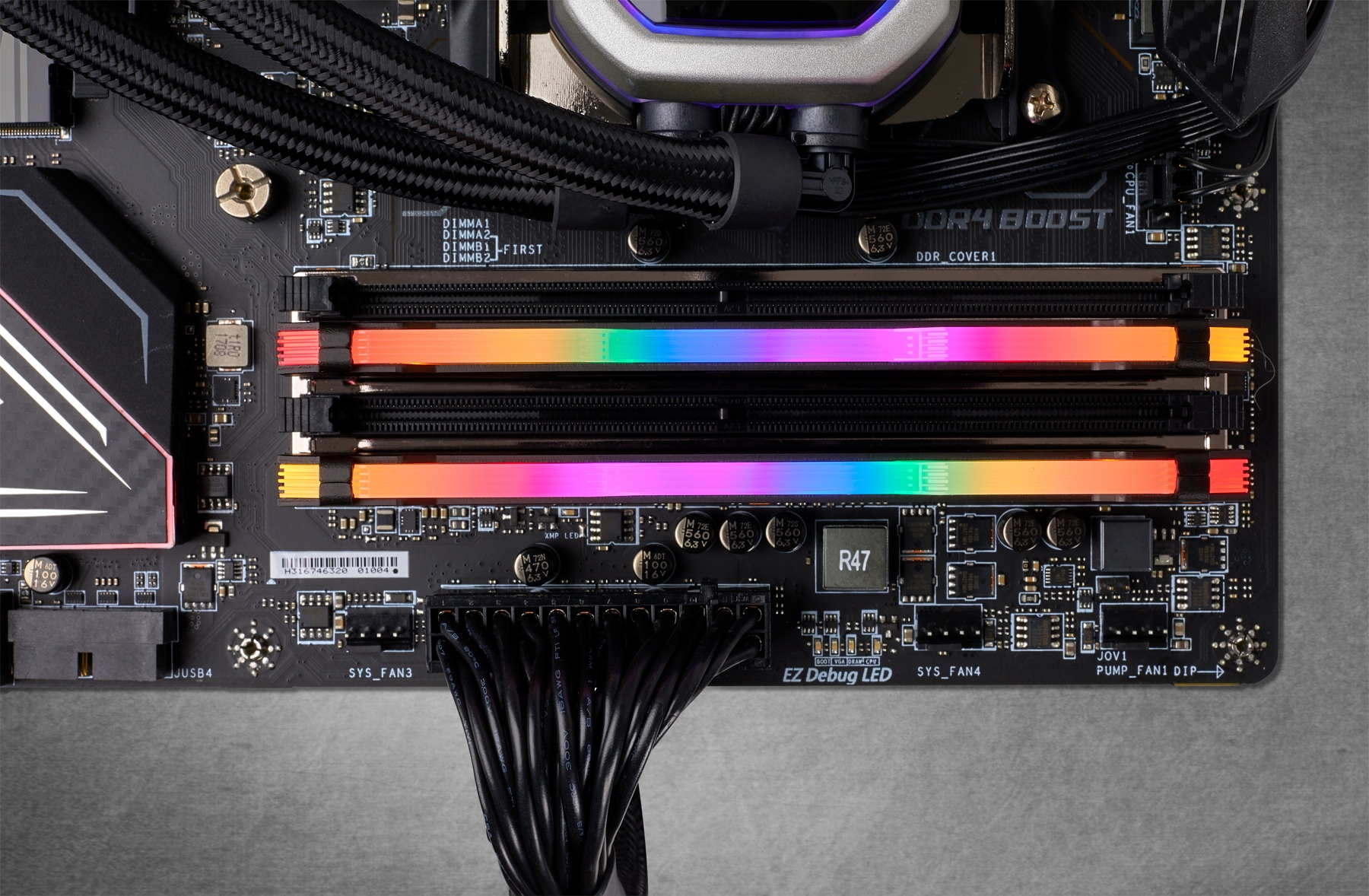
HP recently stated at its fiscal 2026 first quarter earnings call that the material cost structure used to assemble a personal computer is changing significantly, with the weight of memory costs almost doubling in one quarter. Memory currently accounts for about 35% of the total machine material cost, while in the previous quarter this proportion was only about 15% to 18%. The company expects this proportion to continue to rise this year.
Interim CEO Bruce Broussard pointed out at the conference call that in the face of rising prices for key components such as memory, HP has locked in long-term supply agreements for the whole year and "completed the certification of new suppliers, established strategic inventory for key platforms, and shortened the certification time for new materials by half to accelerate product configuration adjustments." He said this means the company is introducing more new component suppliers at a faster pace. At the same time, HP is "expanding low-cost procurement sources across the entire bulk material basket and reducing logistics costs through more flexible end-to-end planning processes" and using internal artificial intelligence projects to improve the efficiency of these processes.
In terms of product and market strategies, HP said it is "adjusting product configurations and shaping market demand to better match existing supply to customer needs" and "working closely with channel and direct sales customers to hedge remaining cost pressures through targeted price strategies." Broussard also talked about the U.S. Supreme Court's recent ruling overturning the Trump administration's tariff measures, saying the company "does not currently expect to be negatively impacted by subsequent developments in this ruling." One of the direct consequences of this ruling is that the U.S. government will raise the relevant tariff rate from 10% to 15%. It may also trigger a chain reaction of importers applying for tax refunds from the government, or consumers demanding compensation from companies.
Looking at specific business performance, HP’s personal systems division (mainly PC business) revenue reached US$10.3 billion this quarter, a year-on-year increase of 11%. Among them, consumer PC shipments increased by 14% year-on-year, driving revenue growth by 16%; enterprise and commercial customer purchases increased by 11% year-on-year, and related revenue increased by 9 percentage points. The growth of the personal system business has been attributed to the accelerated popularity of Windows 11 and the new round of replacement demand brought about by the "AI PC" concept.
Kaitan Patel, president of the personal systems business, said that the deployment and adoption of Windows 11 has driven the rise in PC demand, and the demand for AI PCs has also played an important role. Currently, about 35% of the PCs sold by HP are AI PCs. He said, "The local models on AI PCs have begun to really produce results, and more and more software developers are developing applications that can more efficiently utilize local AI capabilities." HP is currently working with more than 100 software developers to promote more applications optimized for AI PCs.
In terms of printing business, HP’s printing-related product revenue in this quarter was US$4.2 billion, a slight decrease of 2% year-on-year. However, the printing division's operating profit margin reached 18.3%, which was significantly higher than the 5% operating profit margin of the personal systems business.
Overall, HP's total revenue this quarter was US$14.4 billion, an increase of nearly 7% year-on-year. On a non-GAAP basis, earnings per share were $0.81, which was at the high end of the company's previous guidance range. However, the company's chief financial officer Karen Parkhill reminded investors that due to the turbulent macro environment and cost pressures caused by rising memory prices, she expects the company's full-year results to be more likely to fall at the low end of the previous guidance range.
In terms of capital market reaction, HP's stock price opened at $18.33 during the regular trading session that day. However, in after-hours trading, the stock price fell to $17.15, a decrease of about 6%, indicating that investors are not very optimistic about HP's future performance prospects.