Brazil's consumer regulator recently issued a fine to Apple again for "the iPhone does not come with a charger" in the amount of 101,627.50 reais (approximately US$19,800). The regulator believes that the charger is for the phone.basicAccessories, missing behavior violates consumer rights and damages consumer goodwill. This penalty stems from Apple's environmental decision-making at the end of 2020, when Apple decided to stop including a power adapter in the box of the new iPhone. This practice continues to this day, triggering continued accountability from consumer protection agencies in many places in Brazil.
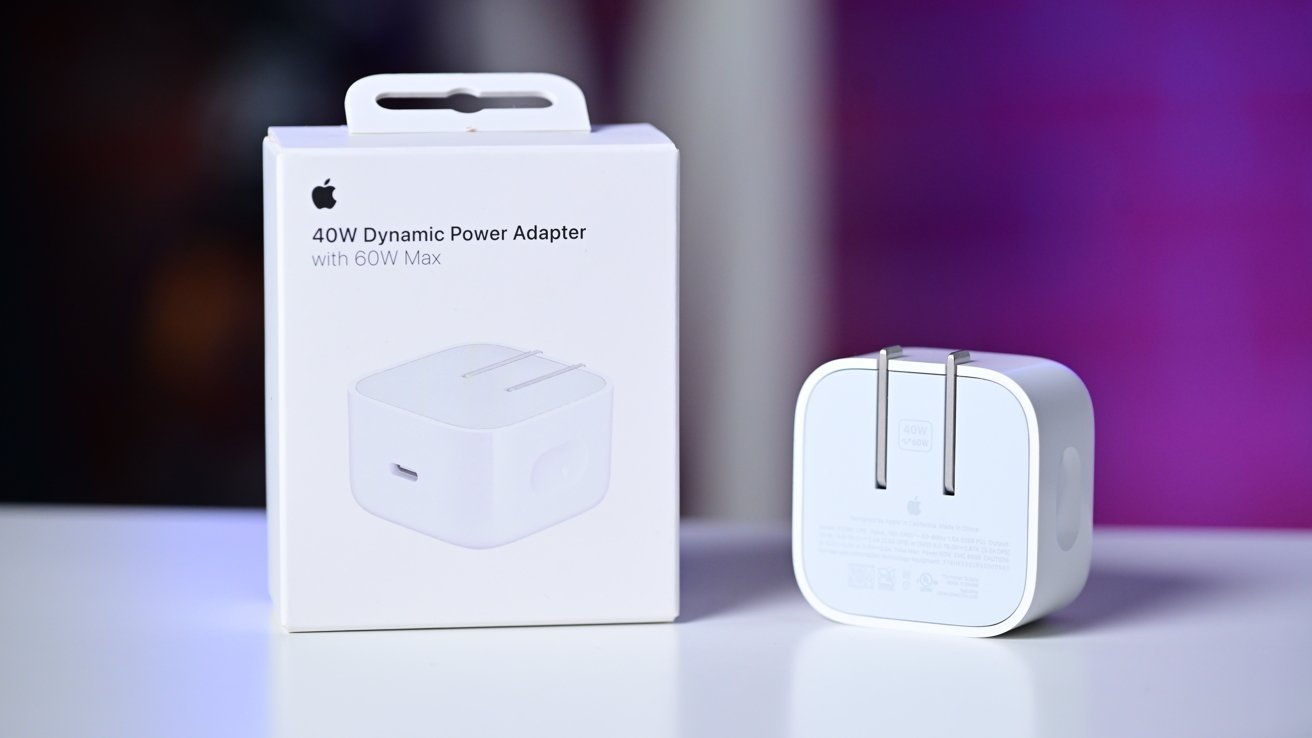
The fine was imposed by Procon-AL, the Alagoas state consumer protection agency, on the grounds that Apple has not restored the included charger when selling iPhones to local consumers, resulting in consumers being forced to purchase additional accessories and at a disadvantage. The agency pointed out that Apple's practices continued to violate local consumer laws and the principle of "good faith", so the original proposed amount of 60,976.50 reais was increased to 101,627.50 reais to reflect a number of "aggravating factors."
These aggravating factors include: Apple was found to have violated consumer protection regulations and failed to attempt to correct the problem despite repeated challenges from regulators. Given that the amount of the fine is extremely limited compared to Apple's size, it is generally believed that Apple is more likely to choose to "bear silently" rather than invest more costs in administrative procedures to defend. Currently, Apple has a 20-calendar-day period to administratively appeal the fine, but from a cost-benefit perspective alone, the cost of the assessment and appeal is likely to be much higher than the fine itself.
Compared with previous penalties imposed by Brazilian regulatory authorities, this fine is a drop in the bucket. As early as 2021, Apple was fined 10.5 million reais for not including a charger in the iPhone 12 box; in September 2022, the regulatory agency fined Apple 12,274,500 reais (approximately $2.3 million at the time) for the same issue, and once halted the sale of iPhones without chargers. In comparison, the amount of more than 100,000 reais this time is almost negligible, but it still constitutes a formal warning to Apple from a legal perspective.
Judging from Apple's latest financial report, the impact of this fine on the company's operations is almost negligible. Based on Apple’s revenue of $143.8 billion recorded in the first quarter of fiscal year 2026, the amount of this fine is roughly equivalent to “about one second” of Apple’s global revenue. On the Brazilian official website, Apple’s 20W USB‑C power adapter sells for 219 reais. Based on this calculation, this fine is approximately equivalent to the total retail price of 464 20W chargers. If we use the more expensive 140W USB‑C charger as a reference (priced at R$ 1,099 each), this penalty is equivalent to only about 92.4 units of the same charger.
Although the amount is small, this latest penalty still reflects the tough stance of Brazilian regulators on the issue of whether mobile phones must come with chargers. For Apple, this is not only another reminder that its global unified environmental protection strategy has encountered legal resistance in some markets, but also one of the compliance challenges it continues to face in Brazil, an important emerging market.