A new study shows that close social relationships alone can drive the spread of gut microbes between individuals, and this effect is independent of whether they share a living environment. In other words, your close interactions with your roommate, partner, or family may be quietly reshaping each other's gut flora.
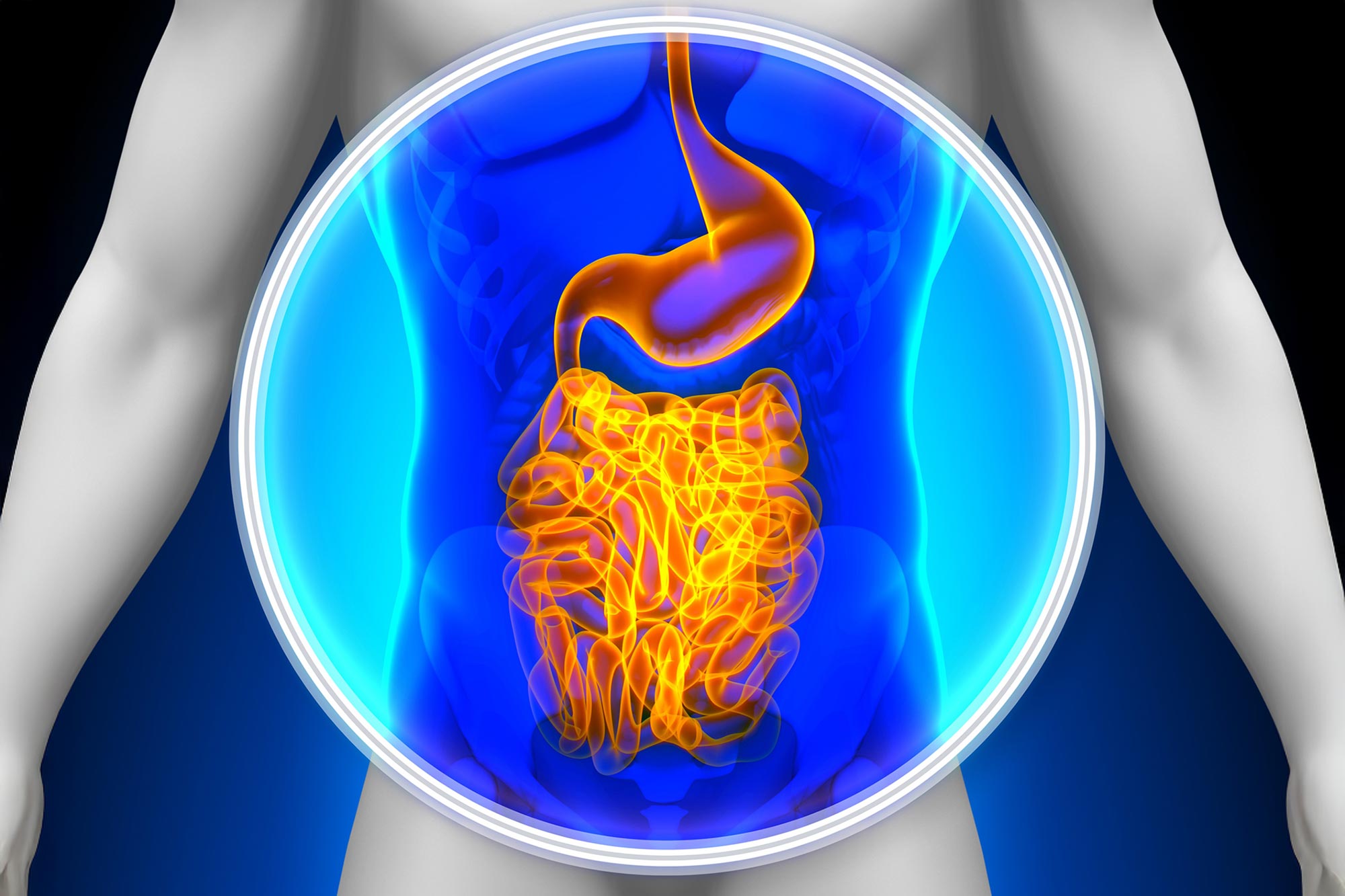
A team from the University of East Anglia in the UK found that among a group of birds living on a small island, individuals who interacted more frequently with each other had more similar compositions of their gut microbiota. Scientists believe that this phenomenon is likely to apply to human society as well. Past research has suggested that the gut microbiomes of spouses or long-term cohabitants tend to be more similar than those of unrelated people, even if their diets are not identical. New research provides further evidence that close social contact itself, not just the environmental factor of "living together", plays a key role in driving intestinal bacterial exchange.
The study focused on the Seychelles warbler, a small songbird that inhabits the island of Coosin in the Seychelles. The research team collected fecal samples from the birds and analyzed their gut microbiota - the community of beneficial bacteria that live in the digestive system. The first author of the paper, Dr. Chuen Zhang Lee from the School of Biological Sciences at the University of East Anglia, said that in order to track how intestinal bacteria spread among social partners, the team systematically collected bird feces samples over several years and established a social role profile for each bird: including breeding mates, "helpers" who help take care of young birds in the nest, and individuals who do not play a supporting role in the same group or different groups.
This design allowed the researchers to compare differences in the gut microbiota of individuals who interacted closely in the nest with those who had less contact with each other. The team focused on anaerobic gut bacteria - bacteria that thrive in an oxygen-depleted environment and are intolerant to oxygen. Dr. Li noted that this particular microbiome provides a rare perspective on how social bonds drive the spread of gut microbiota.
The choice of Cousin Island as a “natural laboratory” is no accident. Senior researcher Professor David S. Richardson explained that Cousin Island is small and relatively isolated, and the Seychelles warbler will not leave the island. This means every bird on the island can be individually tagged and tracked over the long term over its lifetime. The colorful anklets worn on each bird's feet allow researchers to accurately identify individuals in the wild and record their behavior, health and genetic information over time. This system provides scientists with research conditions that are close to "controlling the population" while maintaining the natural ecological environment, natural diet and natural intestinal flora.
The findings showed a clear link between an individual's social behavior and the similarity of their gut microbes. Dr. Li said that the more frequently you interact with someone, the more anaerobic gut bacteria they share. Breeding partners and dedicated "helpers" who spend a lot of time together in the nest are highly similar in the composition of this type of anaerobic bacteria, and this type of microorganisms can only be transmitted through direct, close contact. He added that these anaerobic bacteria cannot survive outside the body and cannot float freely in the air, so they cannot be spread simply through environmental diffusion. Rather, they are transferred between individuals in the process of intimate interactions and shared nesting and living spaces.
The researchers noted that this pattern is likely to hold true in people's homes and shared housing. For people, whether they live with a partner, roommate or family member, daily physical contact, hugging, kissing, and even sharing kitchen countertops, dishes and other living spaces may promote the exchange of gut microbes. Anaerobic bacteria play a key role in digestion, immunity, and overall health, and once they successfully colonize the gut, they often remain stable in an oxygen-free environment for long periods of time. Researchers emphasize that this means that the people you spend time with day and night may be unknowingly shaping the "micro-ecosystem" in your body.
If this bird research is compared to human life scenes, then those warm evenings spent at home, daily chores of washing dishes together, or even just time spent watching TV on the sofa may quietly bring the "distance" between each other's intestinal flora closer. Researchers speculate that sharing beneficial anaerobic bacteria in a home or shared environment may, to some extent, enhance immunity and improve digestive health among members of the entire family or group.
The relevant research results, titled "Social Structure and Interactions Differentially Shape Aerotolerant and Anaerobic Gut Microbiomes in a Cooperative Breeding Species", were published in the journal "Molecular Ecology" in April 2026.