Currently, the core of the global clean energy transition relies on a seemingly invisible but crucial class of materials—rare earth magnets. Whether it’s electric vehicles, offshore wind turbines, modern smartphones or advanced defense systems, they all depend on this critical component. However, the global supply chain of rare earth magnets is not only highly concentrated, but also comes with heavy environmental costs and is extremely vulnerable to geopolitical fluctuations. In response to this situation, a research team at Uppsala University in Sweden is working to explore a greener and more resilient alternative.
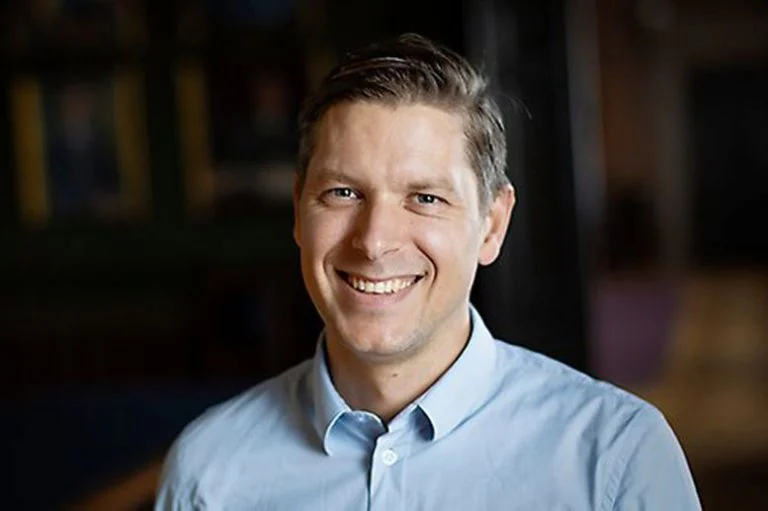
Martin Sahlberg, professor of materials chemistry at Uppsala University, clearly pointed out that the supply of rare earth magnets is not only a technical issue, but also a profound geopolitical issue. Currently, China occupies a dominant position in rare earth processing and magnet production. This high degree of dependence makes the supply security of clean energy and advanced manufacturing highly exposed to the risk of international trade frictions.
Rare earth production itself faces serious environmental challenges. During the extraction process, the separation of rare earth elements often requires the use of large amounts of highly toxic chemicals, and radioactive elements are often associated with the deposits. The production process is often called a "dirty industry." In fact, rare earth elements are not absolutely scarce in the earth's crust. The real difficulty lies in how to find high-grade mineral deposits and separate and refine them in an environmentally friendly way.
Sweden has significant resource potential in this area. It is understood that rare earth deposits have been discovered in places such as Kiruna and Berslagen in Sweden and Nora Schell near Grena. In particular, the Per Geyer mining area in the Kiruna region has been recognized by the mining giant LKAB as the largest known rare earth oxide deposit in Europe, with estimated reserves of more than 1.3 million tons. Sahlberg believes that Sweden has excellent international competitive conditions in the extraction of rare earth resources.
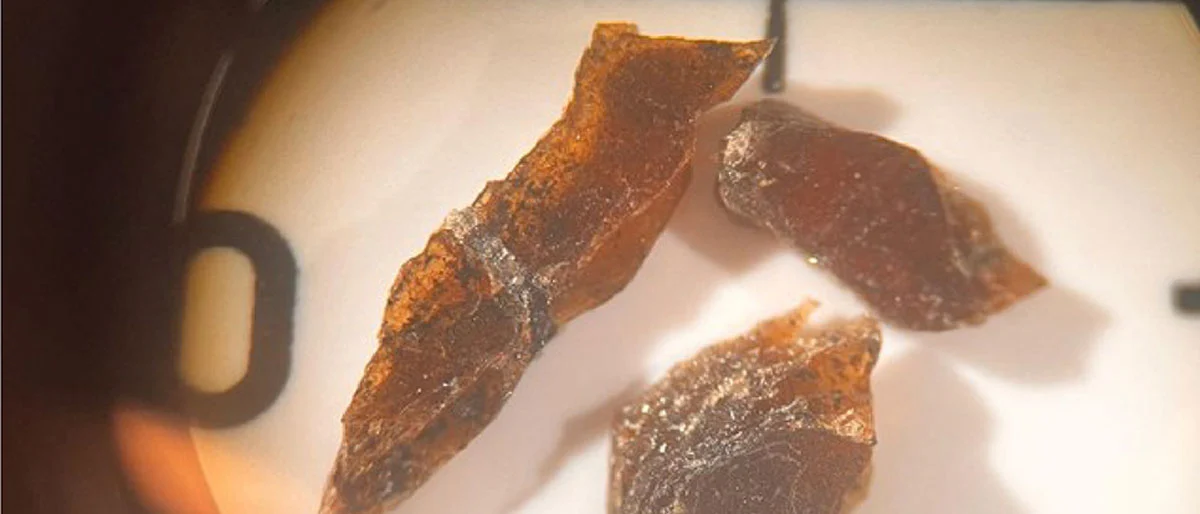
In order to break the current pattern of relying on a single production source, Salberg's research team is changing the traditional mining thinking. Under the traditional model, mining development often focuses on a specific metal (such as iron, copper or gold), and the remaining components are regarded as waste. The team proposed a "kitchen refrigerator" resource integration concept: conduct a comprehensive survey of the elemental composition of Swedish mineral deposits, accurately map the chemical composition, and customize new magnets based on the actually available elemental "recipes."
This research and development model aims to reduce waste at the source and maximize the use of all elements in existing deposits. Through targeted design based on the chemical characteristics of local minerals, not only can energy-intensive and highly polluting purification steps be significantly reduced, but the environmental footprint of refining and manufacturing is also expected to be significantly reduced.
Salberg said that the current project has brought together interdisciplinary forces such as theoretical physicists, geologists and materials engineers to jointly develop an efficient and clean route from raw ore to finished magnets. He emphasized that this is not only basic scientific research, but also an industrial technology exploration of great strategic significance. With its advantages in resource reserves, cheap energy and environmentally friendly technology, Sweden is trying to seek breakthroughs in this field and provide a practical path for the diversification and green transformation of the global rare earth supply chain.