Christophe Fouquet, CEO of lithography machine giant ASML, issued a heavy warning in an exclusive interview on May 20: The global semiconductor market will enter a long-term supply shortage, and the AI-driven demand wave is exceeding the industry's capacity expansion rate. "The demand for AI is so strong that we will be in a supply-constrained market for quite some time," Fouquet said at a technology event in Antwerp.
The chip market will reach US$1.5 trillion in 2030
Fuka predicts that the global chip market may reach US$1.5 trillion by 2030, and the entire supply chain will face "sporadic bottlenecks." Supporting this judgment is the tens of billions of dollars in capital expenditures by technology giants: Google, Microsoft, Meta, and Amazon have spent a total of nearly 700 billion U.S. dollars building data centers this year, forcing chip manufacturers such as TSMC, Samsung, and SK Hynix to accelerate production expansion. ASML's latest financial report shows that the company has raised its 2026 revenue guidance to 36 billion to 40 billion euros, and the number of new orders in the first quarter far exceeded expectations.
Musk’s “TeraFab” and Starlink become new demand engines
Fouquet specifically named Musk's grand plan: "Ultra-large-scale chip factories like TeraFab will seriously squeeze the production capacity of equipment manufacturers, and it is likely to become a reality." He revealed that he has discussed this with Musk himself. What fascinates him even more is the Starlink satellite Internet: "We talk a lot about chips, humanoid robots, self-driving cars, but these products must be connected to data, and Starlink is that connector."
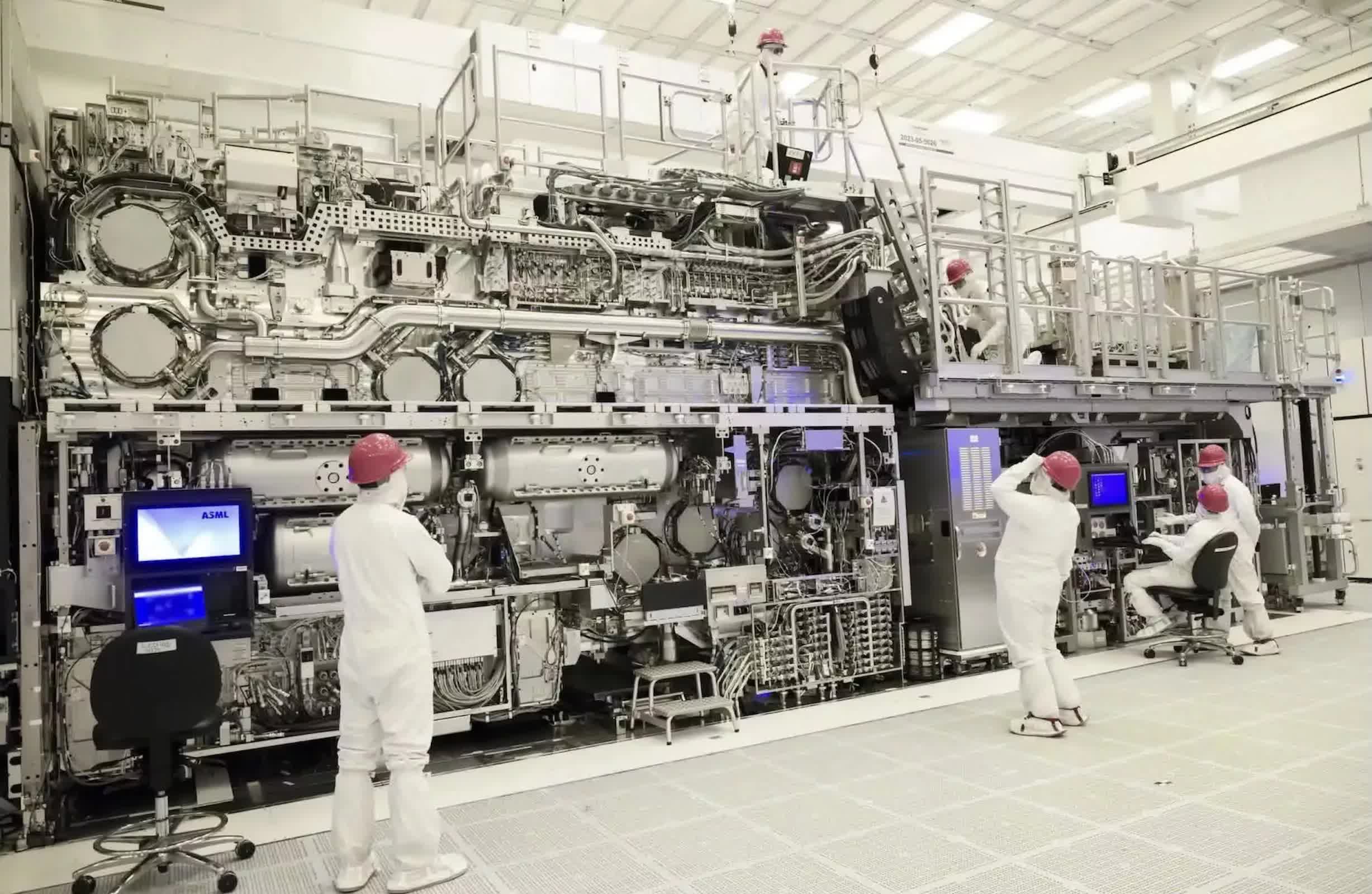
Musk's TeraFab plan plans to build a very large wafer factory to provide chips for Tesla, xAI and SpaceX. Its equipment demand will directly impact the production capacity of upstream suppliers such as ASML. ASML is currently making every effort to increase production. Its next-generation High NA EUV equipment is about to mass-produce the first batch of logic chips, and Intel is one of the first adopters.
ASML launches capacity expansion plan
Facing the unstoppable demand, ASML is responding with a multi-pronged approach: first, improving the productivity of existing equipment, second, developing more advanced Hyper-NA technology, and third, developing a second advanced packaging equipment to meet the manufacturing needs of large-size AI chips. The company's CFO revealed that it plans to ship 60 units of low-NA EUV equipment in 2026, an increase of 25% from 2025, and the production capacity will reach 80 units in 2027.
However, Fouquet admits that it is difficult to accurately predict the magnitude and duration of this boom. “Industry plans may be exceeded,” he said, warning of physical limits to capacity expansion.