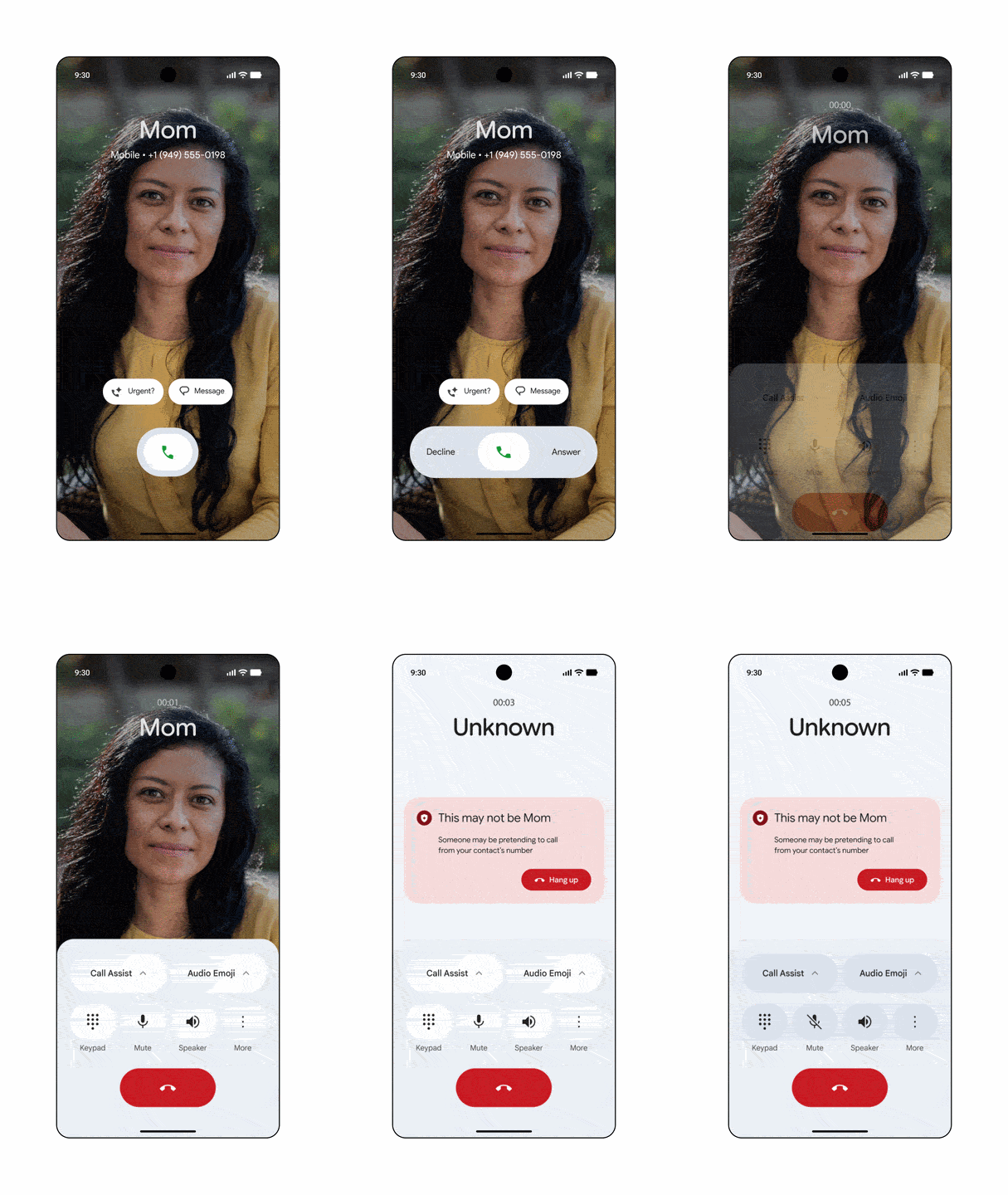
Google recently announced that its "Phone by Google" mobile application will launch a new feature for Android users to identify and alert users to be wary of fraudulent calls that use artificial intelligence technology to disguise numbers and voices. When a user receives a call that appears to be a contact number in the address book but is suspected to be a scam, the app will mark it as a "suspicious call" on the screen to remind the user to hang up in time.
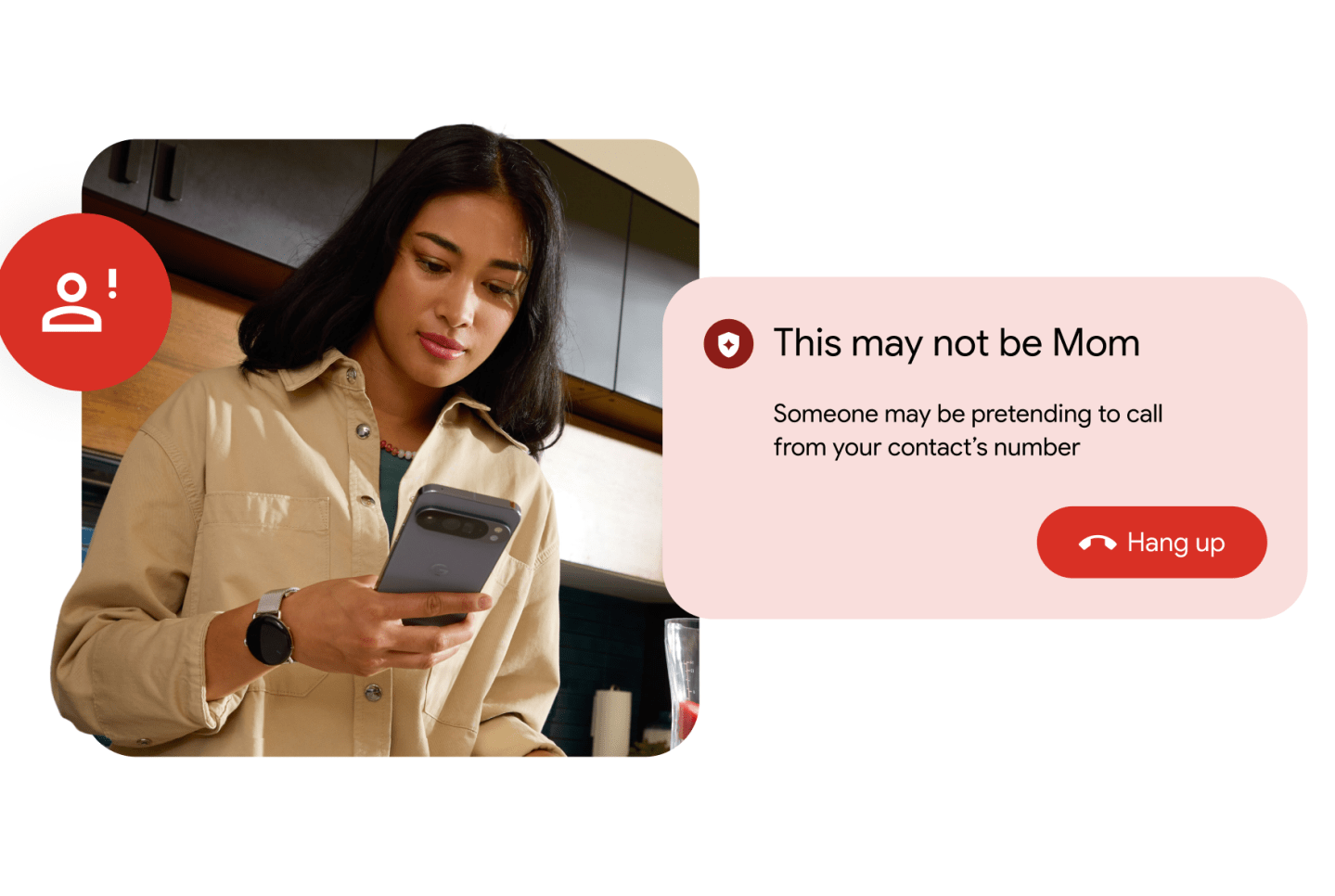
When introducing this update, Google stated that phone scams impersonating relatives, friends or authoritative institutions are increasing rapidly and increasingly rely on AI technology for disguise. A report by the FBI shows that Americans will lose more than $893 million in 2025 due to fraud using AI technology. In this type of scam, fraudsters will first "disguise" the phone number of a contact in the victim's address book, and then use AI voice cloning technology to disguise their own voice as the victim's family, friends, or institutional representatives, and induce money transfers or leak private information on the grounds of emergency help, account anomalies, or law enforcement investigations.
Google said that the new feature will be automatically turned on on devices that support "Phone by Google" and will be first pushed to Pixel phone users equipped with Android 12 and higher systems. This feature relies on both parties using the Google Phone app at the same time to take effect: when a real contact calls, the other device will send a "silent confirmation signal" to the Google Phone app to verify that the call actually comes from that contact. Once a fraudster only forges a number but is unable to send this confirmation signal, the app will prompt "Someone may be calling pretending to be your contact number" on the incoming call interface and provide a one-click hang up option.
According to reports, this mechanism is built on end-to-end encrypted RCS (Rich Communication Services) technology. Google said that based on this infrastructure, other applications can also access similar security verification capabilities in the future, thereby enhancing users' protection against fake calls and AI voice fraud on a larger scale.
In addition to fake call detection, Google is also bringing a number of new features to Android devices in this update. These include allowing children under 13 to use the Google Personal Safety app, display emergency contacts and medical information on the lock screen, and enable car accident detection. Google will also roll out wider interoperability support for Apple's AirDrop, a "clothing try-on" function that uses AI to try on clothes in Google Photos, and "Circle to Search" to find single items in an entire outfit on the screen.
In terms of reading experience, Google Play Books has added an AI-driven "insight" function that can briefly sort out the reading content of some books, and support questions and answers around designated paragraphs, so that readers can quickly review key points or deepen their understanding. Through this series of updates for communication security and user experience, Google is trying to curb its abuse in the field of fraud against the backdrop of the rapid popularization of AI technology, and on the other hand continue to strengthen the intelligent service capabilities in its own ecosystem.