Alexandr Wang, chief AI officer of Meta Platforms, said that Meta’s future artificial intelligence models will differentiate it from competitors in the field of consumer health. "As these models develop and grow, we think health is an extremely critical area," Wang said Thursday at the Bloomberg Technology Conference in San Francisco.
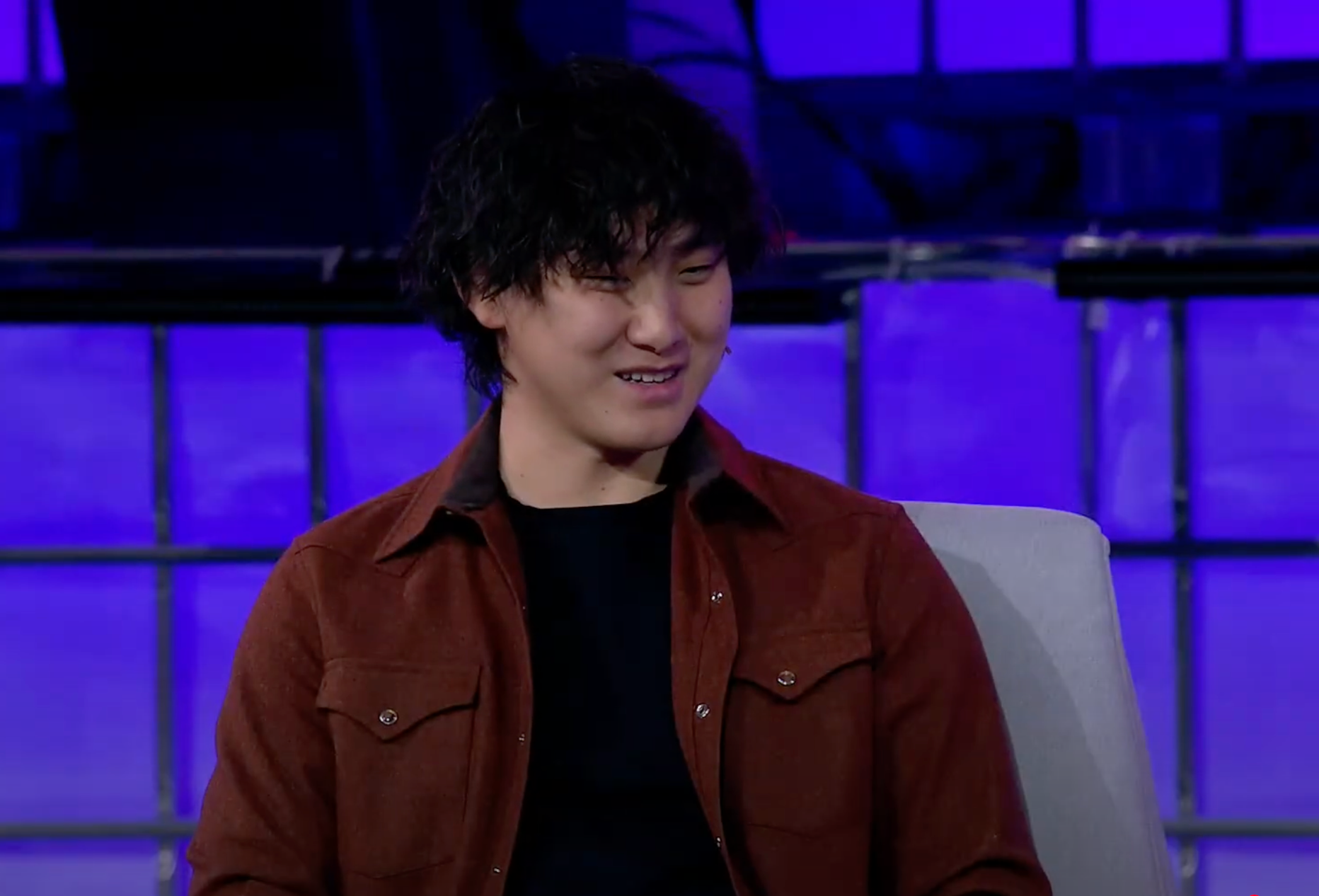
Wang, 29, was the founder of data annotation startup Scale AI before joining Meta. Meta CEO Mark Zuckerberg had previously made comprehensive adjustments to the company's AI business, including an investment of up to $14 billion in Scale AI. This deal was considered to be an attempt to recruit Wang.
After joining Meta, Wang was responsible for leading Meta Superintelligence Labs. The team was formed after he joined Meta and has already achieved initial results. In April this year, MSL released its first model since Zuckerberg’s heavy investment in reshaping AI plans. This model, called Muse Spark, performs better than Meta’s previous AI models.
Wang admitted that Muse Spark "has not yet reached the level of leading cutting-edge models" such as Anthropic PBC's Claude and OpenAI's ChatGPT, but "frankly, it is better than our internal expectations." He expects that models launched in the future will become increasingly competitive.
Wang said that the health field is a major advantage of Muse Spark. He and his team are continuing to develop larger-scale models, and health will remain a focus, with the hope of integrating them into the company's consumer-facing apps such as Instagram, Facebook and WhatsApp.
As artificial intelligence companies race to build chatbots that can impress consumers, health has emerged as one of the most talked about business opportunities. Users are turning to ChatGPT, Claude and other popular chatbots for diagnosis, fitness advice and nutritional guidance, and even mental health support. This phenomenon raises concerns about patient safety and privacy.
Wang said the Muse Spark model was exposed to higher biological risks during development, without elaborating. He added that Meta had taken steps to mitigate these risks before the model was released, but it was this discovery that prompted their decision not to release the model as "open source."