Affected by the shortage of memory supply and soaring prices, the PC industry is experiencing a rare "reversal" phenomenon, and many manufacturers are re-increasing investment in the production of DDR4 memory and older motherboards. According to news from Computex 2026, some platform manufacturers that had already fully switched to DDR5 have begun to restore or even expand support for DDR4 and its supporting platforms to cope with the market's return demand for "mature platforms".
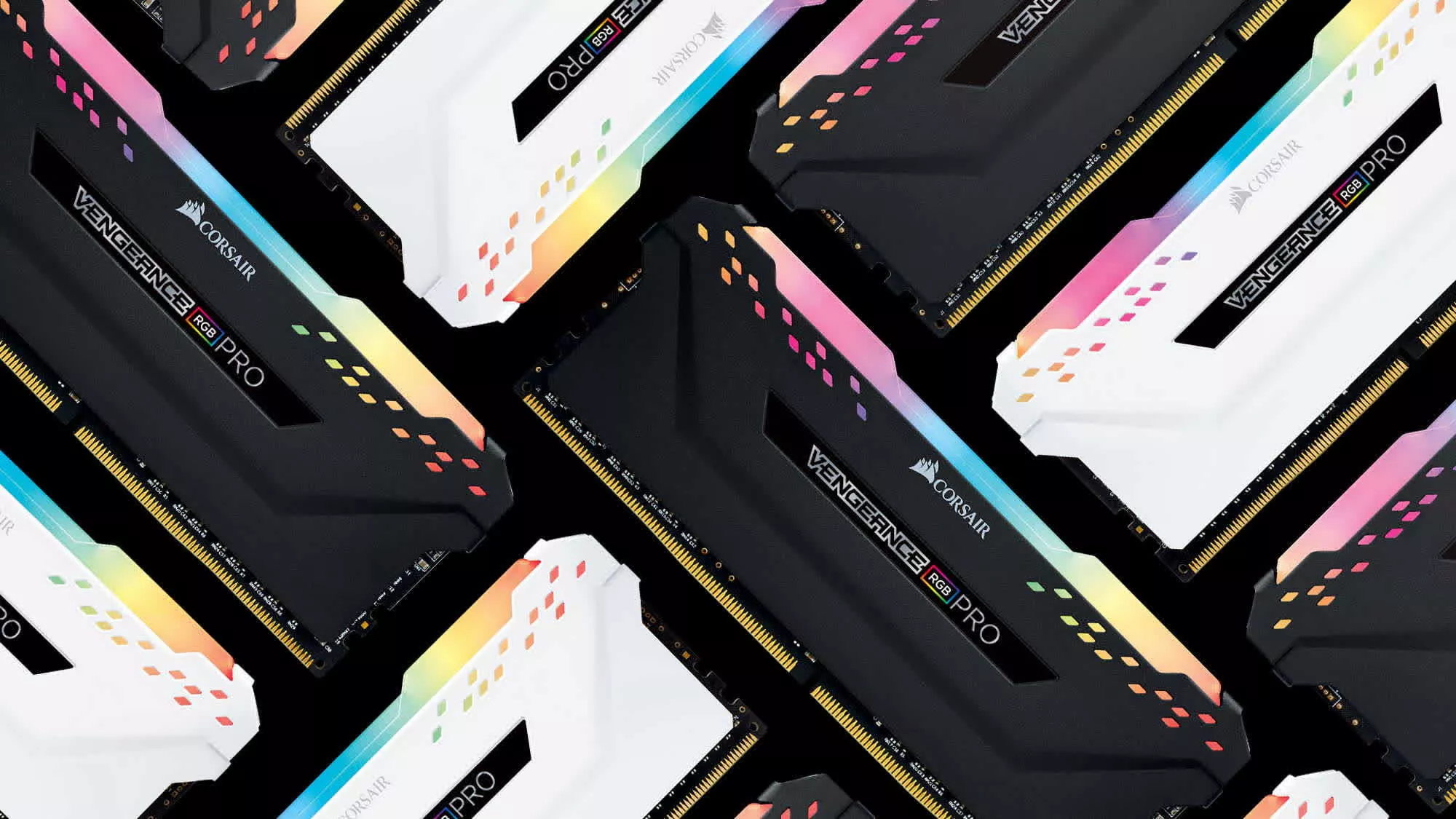
Several motherboard and memory module manufacturers revealed to industry media that due to the severe shortage of DRAM and NAND flash memory, the price of DDR5 memory has risen sharply in the past year, significantly beyond the affordability of ordinary consumers, forcing the market to re-favor the relatively "old" DDR4 platform. At present, more than six motherboard and memory manufacturers have stated that they are redirecting their production lines to motherboards and memory products that support DDR4. Some of them said that the sales of their related products have achieved double-digit percentage growth in the last quarter. However, since high-frequency DDR4 products have long been discontinued, the new round of DDR4 memory produced is mostly based on DDR4-3600 specifications, and it is difficult to see higher-speed versions.
The dramatic fluctuations in memory prices are mainly due to the fierce purchase of high-end DRAM and NAND by global data centers and artificial intelligence computing power construction. Data from the price monitoring platform shows that the price of a pair of DDR4 memory modules is currently close to US$200, compared with just over US$50 during the same period last year. During the same period, the average price of DDR5 dual-strip kits soared from about US$100 to more than US$400, making consumers who did not yet own DDR5 memory even less willing to purchase additional new motherboards and new CPUs. The downward trend in motherboard and processor sales is also reflected in public data, further confirming the reality that the PC hardware update cycle is "running in reverse".
Against this background, some chip manufacturers have begun to adjust their product strategies and alleviate market pressure by "reshoring" old platforms. AMD announced at Computex that it will continue to support the previous generation AM4 interface and restart production of its highly acclaimed four-year-old product Ryzen 7 5800X3D to commemorate the tenth anniversary of the AM4 platform. This processor is scheduled to be re-released on June 25 with a suggested retail price of US$349. It is intended to provide a cost-effective upgrade path for users who want to continue the combination of DDR4 and AM4.
The rise in graphics memory prices has also affected the graphics card market, pushing manufacturers to find a price balance point through the "return of old cards". According to reports, NVIDIA has relaunched the 12GB version of the RTX 3060 graphics card in the Chinese market, which was originally launched five years ago to meet the rigid demand for mid-range and entry-level independent graphics cards. At the same time, due to the rise in overall memory costs, entry-level laptops with only 8GB of system memory have once again appeared on the market. This specification has been gradually regarded as "below the starting line".
Although the industry chain is "self-rescuing" by extending the life of old platforms and resuming production of classic models, industry organizations are still pessimistic about the overall shipment situation this year. The latest estimates from market research firm IDC show that global PC shipments in 2026 may decline by about 20% during the year. One of the main reasons is that high-end DRAM resources are heavily consumed by AI data centers, squeezing the available supply of consumer-grade terminal hardware. The smartphone market has not been spared. Relevant statistics show that its shipments have experienced the largest decline since 2013, reflecting the ripple effects of the memory crisis in the wider consumer electronics field.
Analysts believe that this round of imbalance in the supply and demand of memory and flash memory caused by the construction of AI infrastructure will continue to affect the PC and mobile device ecology for a long time. The current compromise of "returning" DDR4, old motherboards, old CPUs and graphics cards is more out of practical considerations for short-term market stability rather than long-term adjustments to the technical route. Relevant predictions point out that memory and storage prices will remain relatively high in the next few years, and it will not be until at least 2028 that the industrial structure gradually returns to normal with the release of new production capacity and changes in demand structure.