At the keynote speech of the Worldwide Developers Conference (WWDC 2026) held on Monday local time, Apple officially released the latest version of its mixed reality operating system, visionOS 27, which was unveiled together with new systems for other platforms such as macOS and iOS. The new version will fully integrate Apple’s latest generation Siri AI assistant and provide a standalone Siri application, making it one of the core interaction portals on the Vision Pro headset.
Apple said that Siri in visionOS 27 will have "visual intelligence" capabilities. Users can directly ask questions about the content displayed suspended in the headset, or they can also let Siri recognize and answer related questions by looking at objects in the real environment. This design aims to strengthen the interaction between virtual and reality, making Vision Pro more relevant to daily use needs in terms of information retrieval and scene understanding.
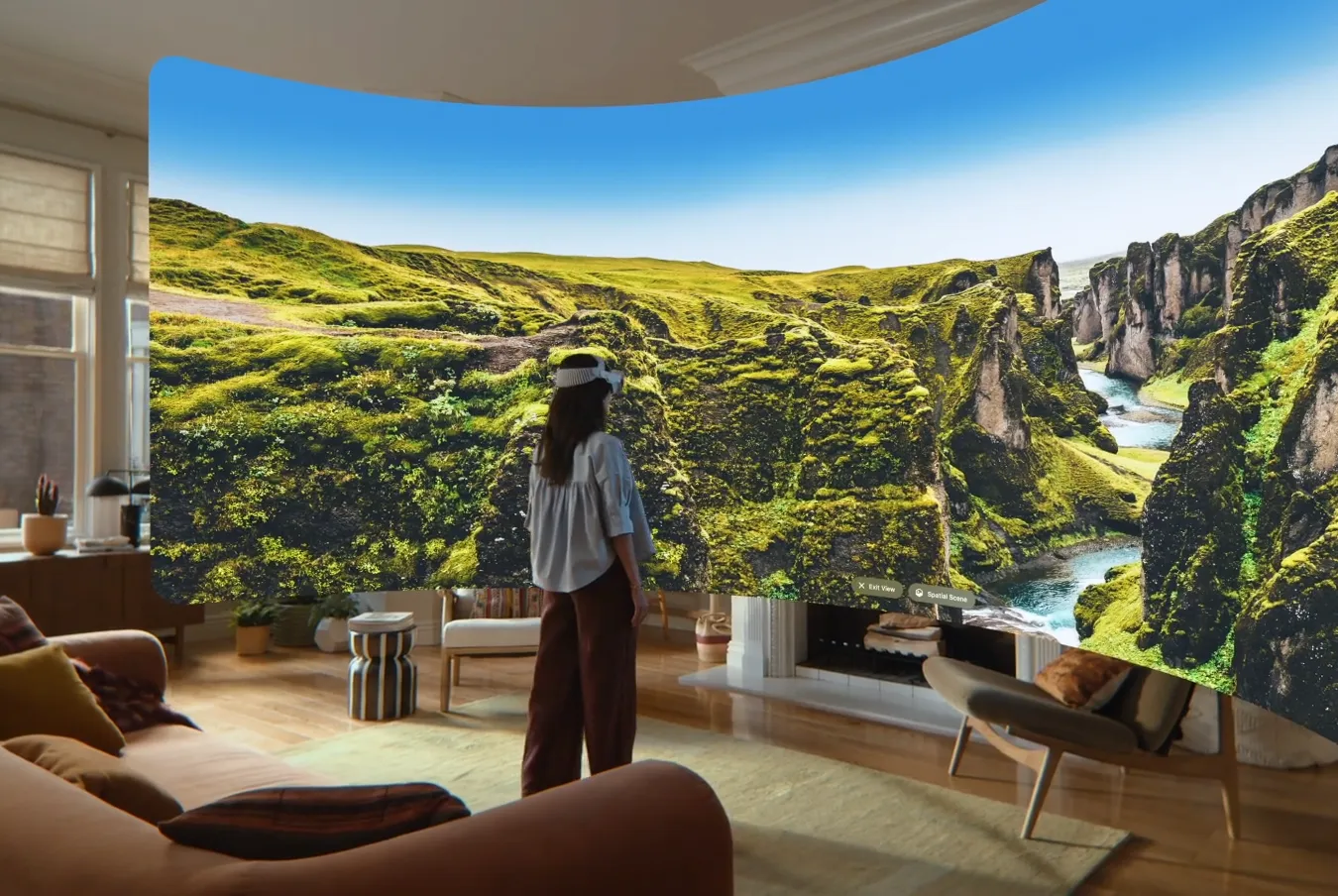
In terms of immersive experience, visionOS 27 will support the use of panoramic photos taken by users as virtual scenes and environments as the immersive space background in the system. Users can "place" personal image materials into the mixed reality space to obtain a more personalized visual experience. Apple also said that Vision Pro’s Wi-Fi connectivity will be improved, achieving up to “up to 3 times faster” wireless network speeds. In addition, the system has also added "ultra-small" component sizes to facilitate users to arrange more visual gadgets in the space and enhance personalized layout capabilities.
visionOS 27 is the fourth major version update since the launch of the Vision Pro headset in 2024. The "liquid glass" visual design language that Apple has previously launched on various platforms was first presented through the high-gloss, transparent interface style of visionOS. As this design language expands to iOS, macOS and other systems, visionOS continues to become the forefront of Apple's attempts at new interactions and new interfaces during iterations.
The previous version of visionOS 26 brought support for PSVR2 controllers to Vision Pro, "Look to Scroll" for manual-free scrolling operations, unlocking the iPhone while wearing the headset and transferring calls from the iPhone, and improved Apple's 3D "Persona" avatar effect. The same version also introduces spatial components. Users can fix these components at any location in the real space, such as "placing" a virtual clock in the living room to achieve permanent information display in mixed reality scenes.
At present, Apple has not disclosed all the detailed functions and subsequent upgrade rhythm of visionOS 27 in this release. More updates about this system and Siri AI integration details will be announced by Apple in subsequent sessions of WWDC and in official developer channels.