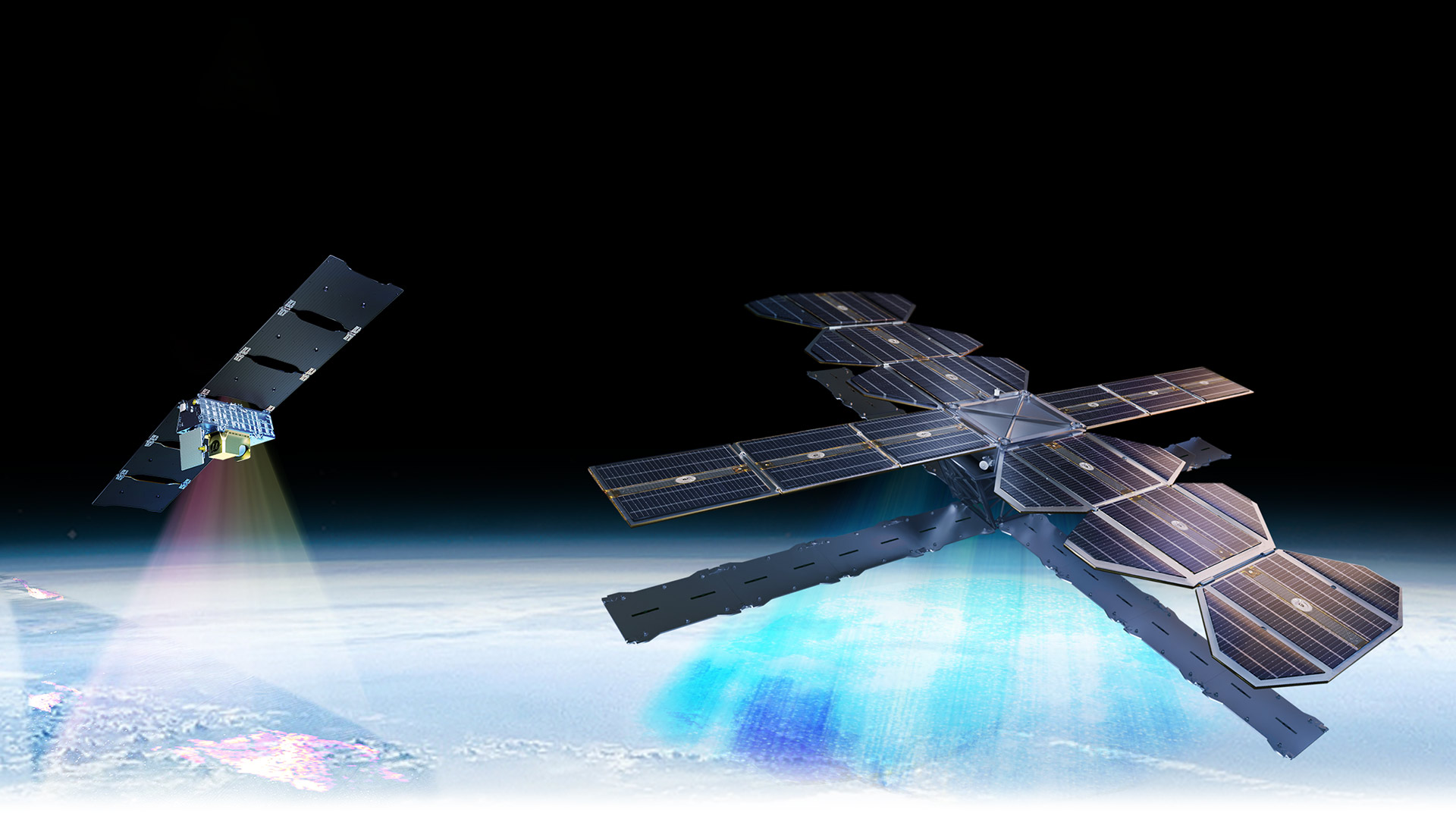
SpaceX executives said the company plans to launch an initial demonstration of its space artificial intelligence computing infrastructure by the end of 2027, earlier than the "as early as 2028" deployment timeline disclosed in its IPO filings, according to two people who attended SpaceX's pre-IPO investor presentation. The orbital computing project is at the heart of SpaceX's pitch to investors about its long-term growth strategy. The company claimed in its IPO filing that it was "the only company with a commercially viable solution to build orbital AI computing capabilities at scale."
SpaceX has applied for permission from regulators to launch up to 1 million space data center satellites.
According to two people familiar with the matter, at two investor presentations before the IPO, SpaceX President Gwynne Shotwell and Chief Financial Officer Bret Johnsen were both present. SpaceX executives outlined a roadmap for launching an orbital computing technology demonstration in 2027.
According to sources, Shotwell and Johnson have been meeting with major investment banks to promote the company's IPO, planning to raise US$75 billion in funds with a target valuation of US$1.75 trillion. They describe the initial deployment as a demonstration system designed to validate the technology in preparation for wider commercial rollout.
One of the sources interpreted the timetable in the IPO document as management leaving room for possible delays in starship development or satellite manufacturing.
SpaceX plans to list on Nasdaq on Friday under the stock code SPCX, with an IPO price target of $135 per share.
In a video released on Monday, Musk said building an orbiting artificial intelligence data center would not be a difficult engineering challenge because much of the technology needed already exists in its existing Starlink satellite network.
Musk said that the first generation of artificial intelligence satellites are likely to use NVIDIA chips, and the computer performance of the spacecraft will be equivalent to the NVIDIA GB300 rack.