OpenAI recently released a preview announcing that it will release a new device related to its AI coding tool Codex on July 15. In a short video posted on social platform
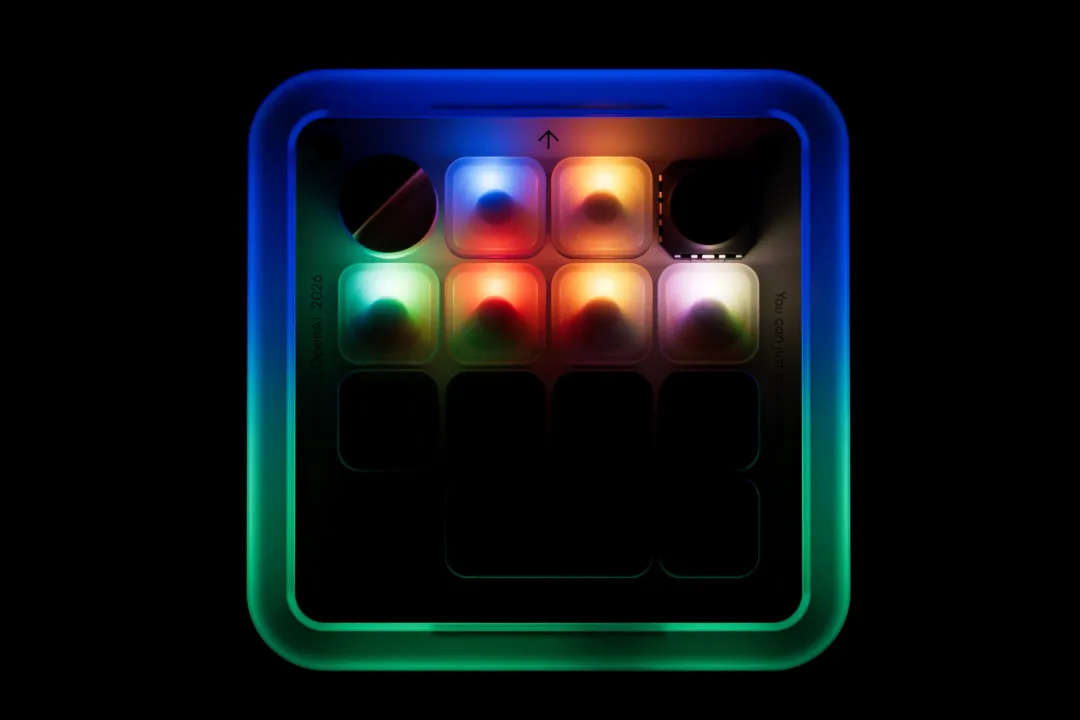
This device is not the mysterious AI device that was previously focused on by OpenAI and former Apple designer Jony Ive, but a special product attempt for developers and creators. The trailer video shows that this new device is jointly launched by OpenAI and Work Louder. The latter is a manufacturer that specializes in mechanical keyboards and macro keyboards. Its products are usually equipped with mappable keys, knobs and switches, allowing users to set custom shortcut operations in different software.
Judging from the silhouette, the Codex device looks quite similar to Work Louder's existing Creator Micro 2, a macro keyboard with 13 mechanical switches, rockers, and touch sensors. On such devices, users can pre-set shortcut keys and custom actions for various applications (such as Photoshop) to quickly trigger complex operations through physical buttons. Previously, design tool manufacturer Figma also cooperated with Work Louder to launch a macro keyboard preset with a variety of shortcut commands to improve the efficiency of interface design workflow.
However, neither OpenAI nor Work Louder has released more specifications, functional details or pricing information about this Codex device. Officials have not yet explained how the device will be deeply integrated with Codex, nor whether it supports free customization of shortcut key schemes for different development environments. There are only two weeks left before the official release date, and it is expected that as the release date approaches, OpenAI may gradually release more introductions about this hardware and its usage scenarios.
In the context of AI tools gradually penetrating the development process, OpenAI’s launch of specialized hardware for Codex is regarded as an important attempt to extend from pure software services to desktop working environments. If this device can significantly simplify common operations in the coding process and provide a stable physical interaction experience in actual use, it may open up market space for more customized hardware for AI tools in the future.