Taiwan is planning to implement a major policy change for the region's large electricity consumers. According to an amendment to the Energy Management Act being promoted by Taiwan's economic affairs department, large commercial electricity users in Taiwan will be forced to build their own power production and storage infrastructure in the future. The amendment is scheduled to be submitted to the legislative body for consideration on July 22.
Currently, Taiwan’s Renewable Energy Development Regulations and supporting regulations already require large commercial users to offset 10% of their electricity consumption through renewable energy. However, the proposed amendments are broader in scope and aim to include all large electricity-consuming entities with an electric load of 5 MW and above under supervision. This means that about 400 large factories and AI data centers including the semiconductor, optoelectronics, steel, and petrochemical industries will be directly affected.
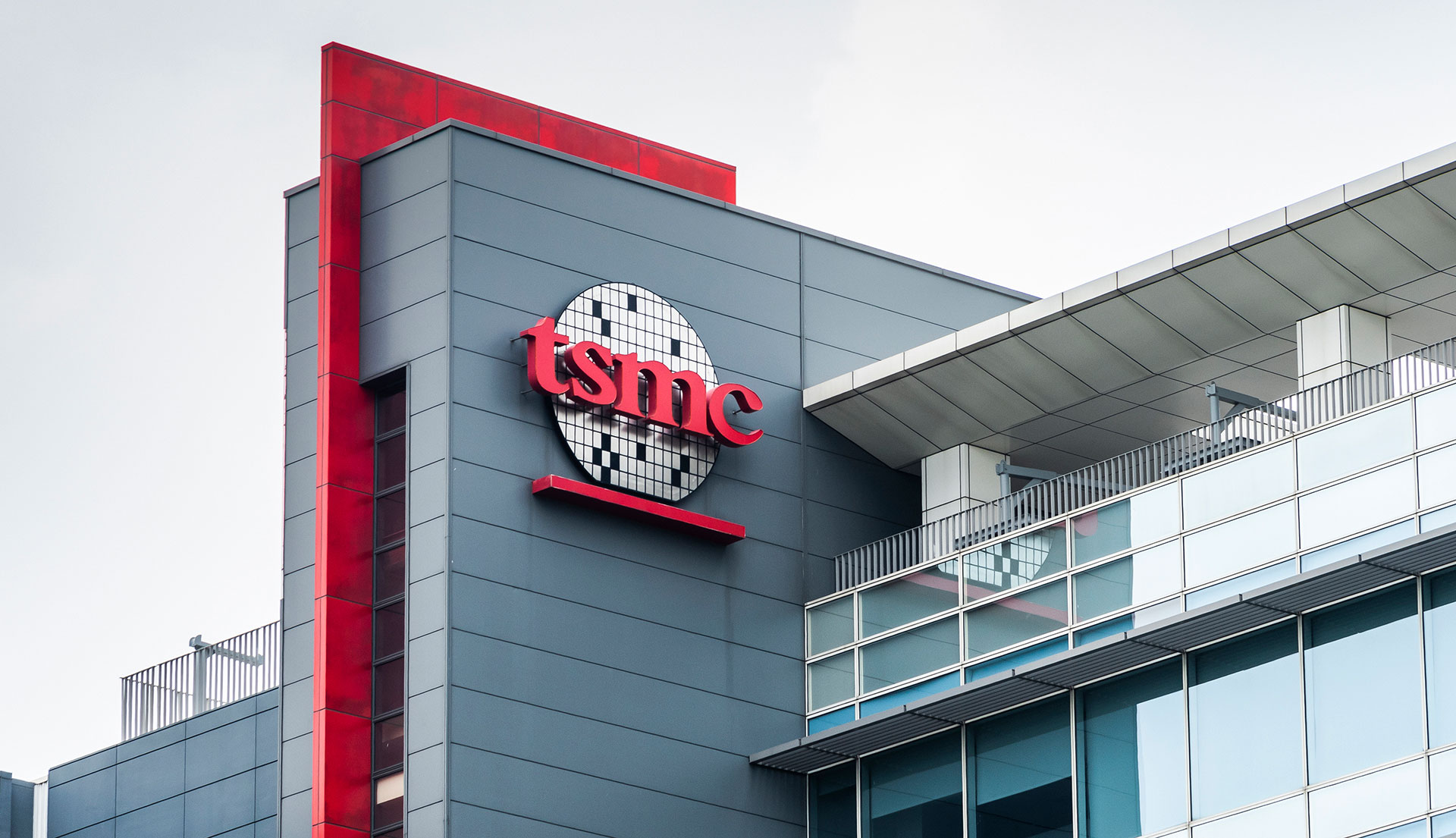
As Taiwan's largest electricity consumer, TSMC will undoubtedly face the most severe challenges. According to statistics, TSMC's electricity consumption in 2024 will be approximately 25.55 billion kWh, accounting for about 9% of Taiwan's total electricity consumption. If the amendment eventually becomes law, TSMC will not only have to bear high energy infrastructure construction costs, but will also lose the economies of scale it currently enjoys by relying on power grid supply.
To accommodate this potentially major shift, the amendment is expected to provide companies with a grace period for installation and set financial penalties for non-compliance. For TSMC, how to support its huge wafer manufacturing network through its own power generation system will be an extremely difficult engineering task. Once this regulation is officially implemented, it will not only completely change TSMC's energy strategy, but also mark a major transformation in Taiwan's management of industrial power consumption.