Recently, NVIDIA has notified its board partners (AIB) that it will increase the pricing of GPU kits - and this increase is no longer limited to the GeForceRTX 5090 series, but extends to the wider GeForce graphics card product line. This adjustment stems directly from the rising cost of graphics memory (VRAM): both GDDR7 and GDDR6 have become more expensive for manufacturers.
Since NVIDIA's kit includes the GPU chip and the video memory itself, and VRAM is one of the most expensive components of the graphics card, its price increase has a significant impact on the final cost of the graphics card.
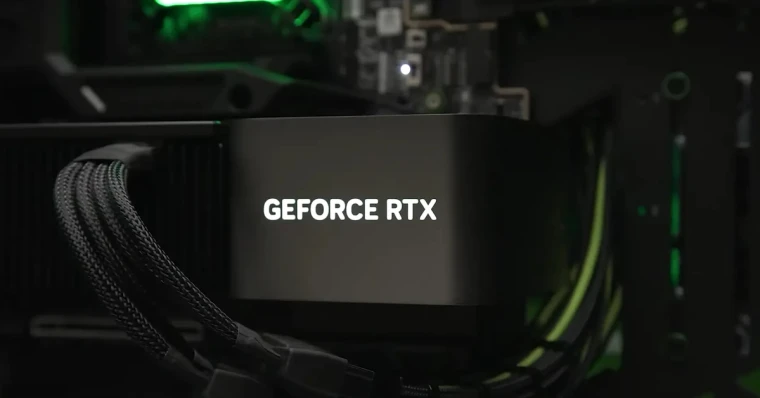
As early as May, NVIDIA notified partners to increase the kit prices of RTX5090 and RTX 5090D V2. Now, this round of price adjustments has spread to a wider product line - including new models based on the Blackwell architecture and equipped with GDDR7, as well as older products equipped with GDDR6. Price pressure continues: GDDR7 demand is strong but supply is tight, and GDDR6 prices are also continuing to rise.
In addition to video memory, the costs of PCBs, power components, cooling systems, packaging and logistics are also rising. Although these individual increases are not as dramatic as those of video memory, combined they have significantly increased the overall production cost.
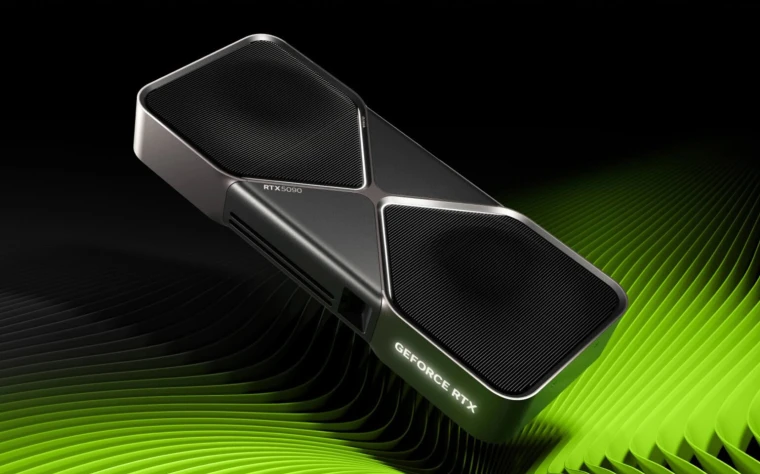
In this situation, manufacturers face two choices: either compress their own profit margins, or pass part of the costs to distributors and retail channels. Historically, increases in purchasing costs are often reflected in terminal selling prices—usually after existing inventory is sold out and new batches arrive.
NVIDIA has not yet issued an official statement on retail prices, but this notice has sent a clear signal: there will be no significant price cuts for GeForce RTX graphics cards in the short term. If the memory supply situation cannot improve, NVIDIA's partners will continue to face cost pressures - and this situation will affect the entire market for a long time.