As Microsoft's preset software life cycle node approaches, the latest executive from PC hardware giant Hewlett-Packard (HP) revealed the grim reality in the global operating system replacement process. HP official executives confirmed in a performance meeting with investors that among its huge user base, about 30% of active devices still continue to run Windows 10 systems. This also indirectly prompted Microsoft to break the established plan and postpone the extended security support (ESU) period of Windows 10 all the way to October 2027.
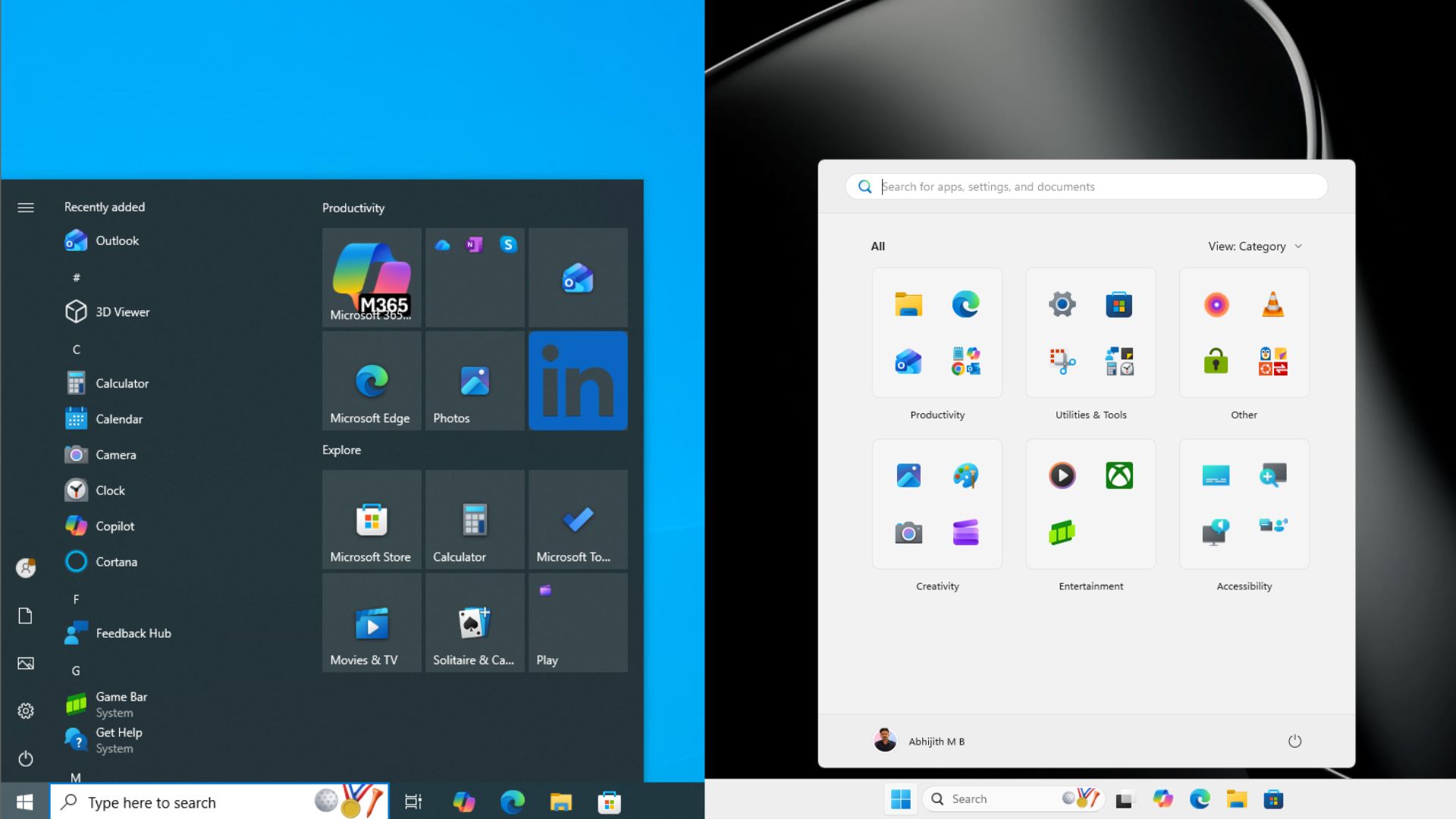
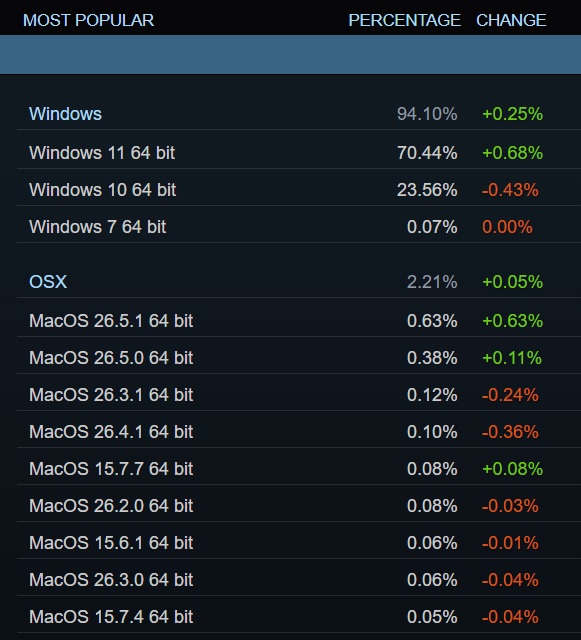
Although Microsoft officials have never disclosed the market share of specific operating systems for a long time, and data from third-party statistical agencies and platforms (such as StatCounter or Steam Hardware Survey) are often limited due to differences in statistical dimensions, the internal assessment given by HP, one of the world's major computer manufacturers, is generally considered by the industry to be one of the data closest to the real situation. Karen L. Parkhill, executive vice president and chief financial officer of HP, pointed out in the report that although the demand for new devices equipped with artificial intelligence (AI PC) and Windows 11 upgrades has shown significant growth momentum in Europe, the Middle East, Africa (EMEA) and the Asia Pacific (APJ), and both consumer and commercial business have recorded double-digit growth, the huge stock market of old systems is still strong, which shows that a considerable number of users have not yet fully switched to Windows 11 in terms of hardware conditions or usage habits.
In view of this market structure, HP management holds a relatively optimistic attitude. Ketan Patel, president of HP's personal systems business, said that these 30% of existing users who have not yet upgraded constitute a huge short-term hardware refresh market. As the cost of cloud AI computing power rises, more and more customers tend to shift computing workloads to the edge. Therefore, the structural demand for hardware and high-end PCs with powerful edge AI computing capabilities remains very strong, which will continue to drive future market sales growth.
However, for Microsoft, this huge group of "refuses to upgrade" constitutes an operation and maintenance pressure that cannot be ignored. Although the paid extended support plan for Windows 10 was originally scheduled to end in October 2026, given that user acceptance of Windows 11 was not as good as expected, Microsoft finally chose to succumb to reality and extended the support service for another full year to October 2027, gaining a longer buffer period for the majority of enterprises and individual users.