On Friday, SpaceX successfully deployed the first batch of third-generation Starlink satellites using an upgraded version of its prototype Starship. This was also the 13th test flight of the giant rocket. However, the company once again encountered a recovery failure of the Super Heavy booster during a subsequent planned simulated landing in the Gulf of Mexico.
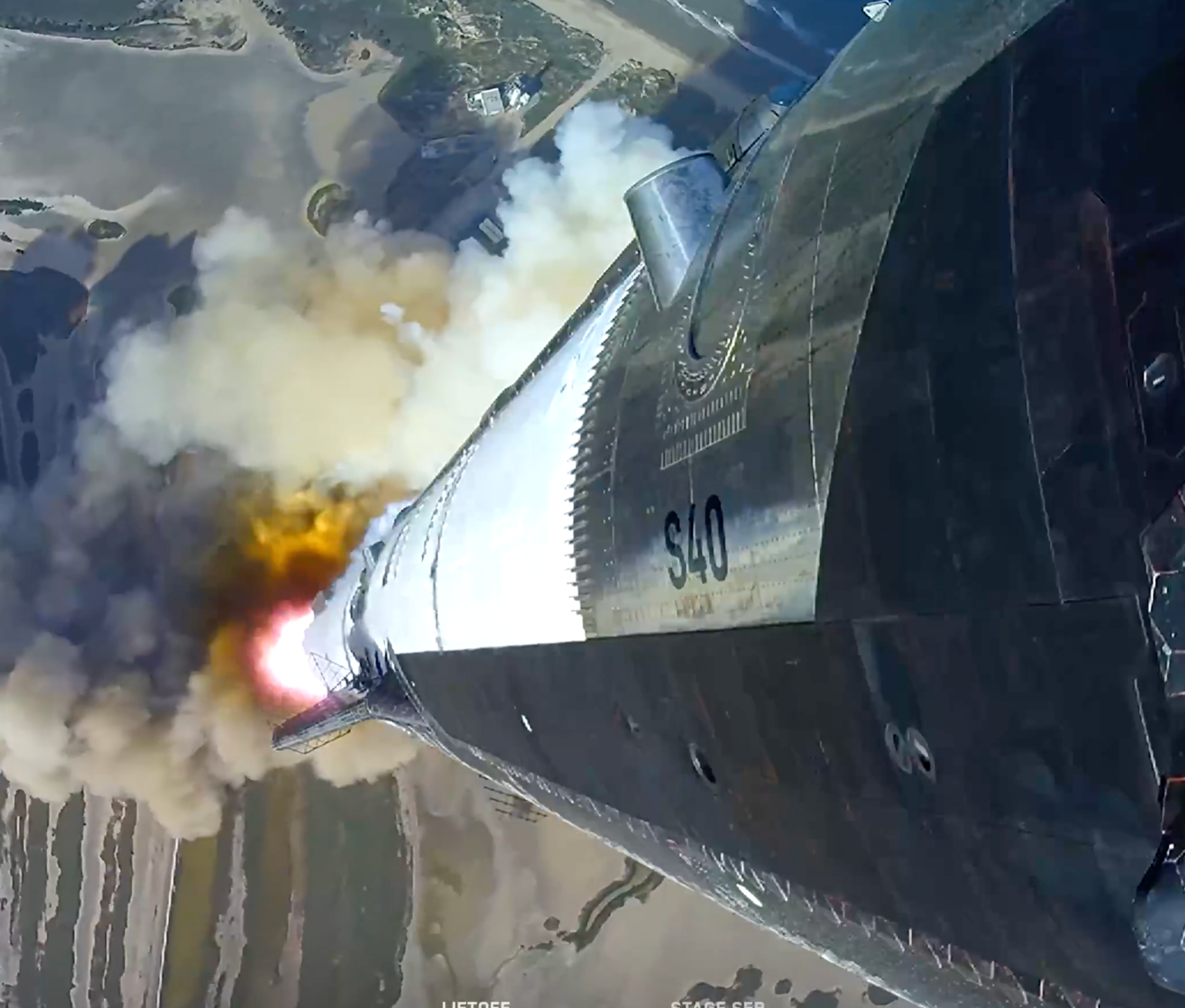
This is the second time SpaceX has had booster problems with the Starship V3 version. When Starship V3 made its first flight in May this year, its Super Heavy booster failed when it separated from the upper stage rocket. In Friday's launch, the upper-stage spacecraft successfully completed a simulated landing after successfully deploying the Starlink satellite.
The launch comes just over a week after SpaceX attempted its 13th Starship launch. At that time, due to the failure of multiple rocket engines, the launch was suspended immediately after ignition. SpaceX said it replaced six engines ahead of Friday's flight to address the issue.
During Friday's launch, the booster flew farther than before but failed to properly ignite all of the engines needed to simulate a landing. The booster exploded after hitting the water faster than expected.
This is also the first Starship launch since SpaceX conducted the largest IPO in history in June. The company's stock price fell the day after last week's aborted launch as part of the company's "fly, fail, fix" development approach. The decline continues an overall downward trend since the IPO, which has seen the company's stock price fall from a peak of more than $200 per share to $115 at Friday's close. In after-hours trading, SpaceX's stock price fell another 2% due to the booster failure, and later recovered some of its losses.
In contrast, SpaceX performed better in the test of the Starship V3 upper stage spacecraft. During the first V3 flight in May, the upper-stage spacecraft lost a rocket engine, but this launch did not repeat the same mistake. The Starship did not encounter any problems on the way to deploy the new Starlink satellite. About an hour after liftoff, the spacecraft successfully withstood the harsh atmospheric re-entry test and completed a simulated landing in the Indian Ocean.
Unlike previous Starship missions, the spacecraft did not explode when it fell into the water and capsized, but floated on the water, giving SpaceX the opportunity to send a drone to carefully inspect the insulation tiles on its belly.
Since Starship still does not have the ability to reach Earth's orbit, these new Starlink satellites burned up in the atmosphere about 20 minutes after deployment. However, SpaceX successfully established communications with all satellites while they were in space, marking substantial progress in the business, and Starlink is currently the company's only profitable business segment.
The deployment of the more capable V3 Starlink satellites further optimizes the economic benefits of the company's capital-intensive space Internet business. SpaceX has said that by launching 60 new satellites at once through Starship, its downlink capacity achieves "up to twenty times the potential growth" compared to the launch of a single "Falcon 9" rocket.
However, it is questionable whether SpaceX will be able to realize these benefits if Starship cannot be reused and must consume the Super Heavy booster. SpaceX has noted that without a fully reusable Starship, progress on Starlink "will proceed at a slower pace and at a higher cost."