As the cumulative mileage of self-driving cars continues to rise, relevant safety data has finally become statistically significant. The latest independent evaluation study from the Insurance Institute for Highway Safety (IIHS) shows that the accident rate of Waymo's self-driving taxis is significantly lower than that of human drivers. However, there are still many limitations behind this comparison conclusion that need to be objectively examined.
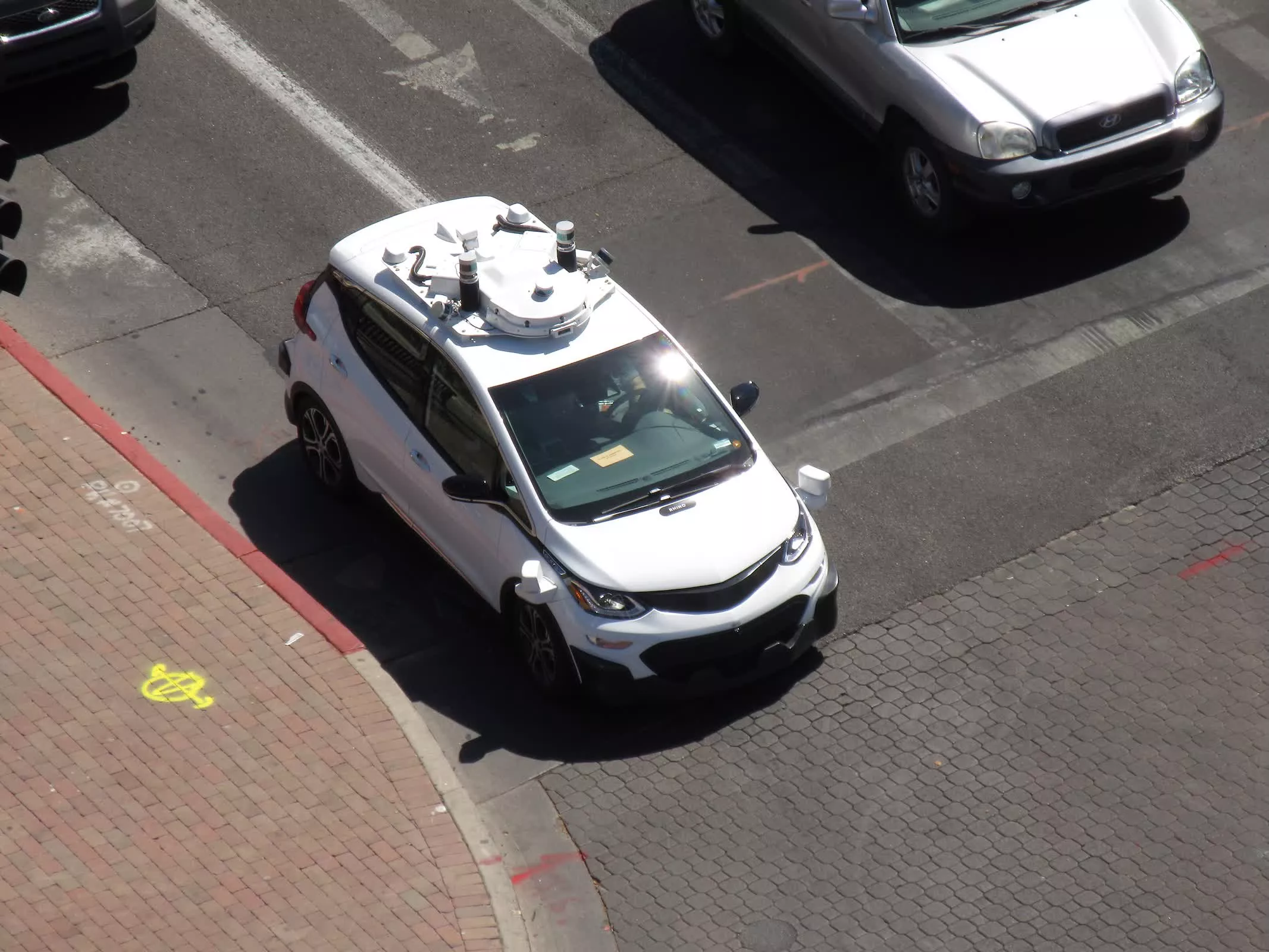
IIHS analyzed U.S. federal traffic accident data from 2021 to 2024 and found that in accidents that met police filing standards, Waymo vehicles were significantly less likely to be involved per mile. In about 50 million self-driving miles, Waymo has had an accident rate of 1.28 per million miles, compared with 4.06 for human drivers. After calculation, Waymo’s accident rate is 68% lower than that of human drivers in serious traffic accidents that usually require reporting.
The core object of this research is Level 4 (L4 level) highly automated driving system, which means that the vehicle can operate without a driver in a specific and high-precision mapped area. As the most commercialized operator in this field, Waymo has launched self-driving taxi services in 11 cities in the United States, completed tens of millions of trips, and provided researchers with a relatively large data set.
To make the comparison meaningful, IIHS adjusted for differences in data reporting in the study. Since self-driving companies are required to report all accidents, including minor collisions, and human drivers often choose to ignore or not report minor scrapes, the study excluded these low-level collisions and focused on more comparable incidents. After adjusting for baseline comparisons, Waymo still showed lower accident rates and overall lighter accident severity.
The technical route is considered to be a key factor in determining this outcome. Waymo vehicles rely on a combination of laser radar (LiDAR), millimeter-wave radar and cameras to sense the surrounding environment in real time. The system will not suffer from fatigue, distraction and other problems, and can maintain a consistent response speed.
However, the research data also revealed something unexpected. Although Waymo is equipped with sensors that do not rely on visible light, its vehicles have a higher proportion of accidents in dark environments than human drivers. In addition, there are also differences in market performance in different regions: In mature operating areas such as Phoenix, San Francisco and Los Angeles, Waymo's low accident rate advantage is very stable; but in Austin, its accident rate is slightly higher than that of human drivers. This may be related to the fact that the local area was still in the testing stage and the accumulated driving mileage was small.
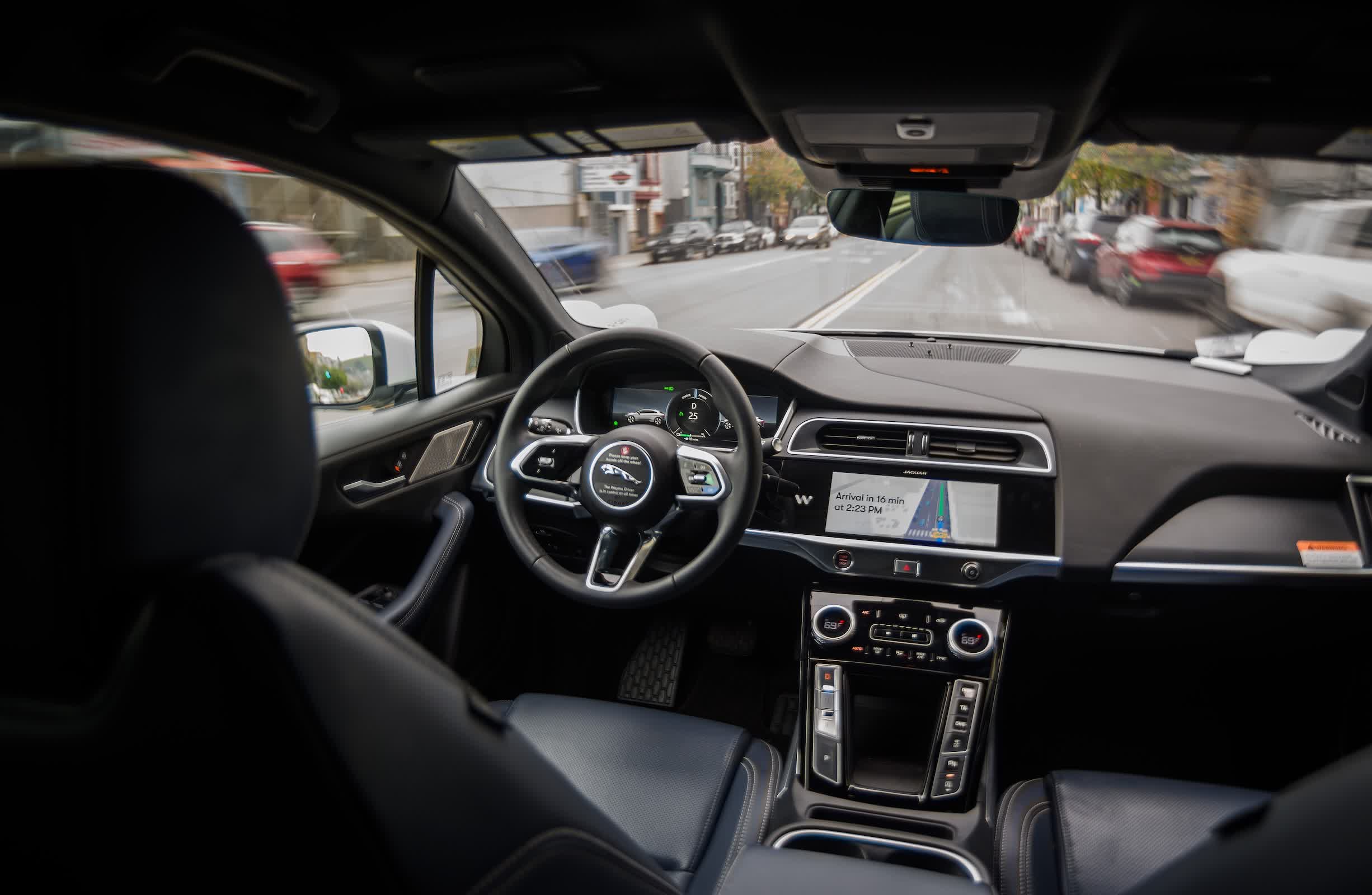
This independent study confirms some of Waymo’s previously announced safety statements. Previous peer-reviewed studies initiated by Waymo have also pointed out that its system can reduce injury accidents and improve safety for pedestrians and cyclists, but the analysis report issued by the third-party IIHS undoubtedly gives these conclusions a higher reference value.
At the same time, the report also pointed out the current bottlenecks in data collection and comparison in the autonomous driving industry. Current regulatory policies require companies to report accidents, but do not require disclosure of specific total mileage. Although Waymo proactively disclosed mileage data to make this analysis possible, the inconsistency in overall industry data standards still limits broader horizontal comparisons.
Another point of contention is the choice of comparison benchmarks. The study compared self-driving systems with an "average" human driver, which includes conditions such as fatigue, distraction and even drunk driving. As a system that operates in a constant state, it's open to question how well it performs compared to a good driver who is focused and free of illegal behavior.
In addition, the operating scenario of the vehicle is also a factor that cannot be ignored. Waymo has not yet opened expressway operations, mainly focusing on urban roads, and its driving routes are mostly in neighborhoods with lower speed limits. Data shows that half of Waymo's accidents occur on streets with speed limits below 25 mph, while human drivers account for only 8% of accidents on such roads. Lower speed objectively reduces the severity of the accident, thereby affecting the statistical results.
The vehicle's passenger-carrying status also brings new thinking: nearly half of Waymo's driving miles are completed without passengers. While this reduces the risk of injury to vehicle occupants, it also triggers discussions about the impact of empty driving on road traffic flow and operational efficiency. Overall, the data demonstrates Waymo's superior performance in its existing operating environments, especially in high-density urban areas, but the magnitude of this safety advantage is still highly dependent on comparison methods and deployment environment.