
Abstract:
Eric Gullikson, a technology entrepreneur and virtual reality pioneer who once served as a member of NVIDIA's technical advisory board, recently stated that NVIDIA under-vested stock options to him due to a clerical calculation error more than 30 years ago; based on the current stock price and previous stock splits, the value of these options has exceeded US$1 billion. Nvidia refused to settle on the grounds that the claim had exceeded the statutory statute of limitations.
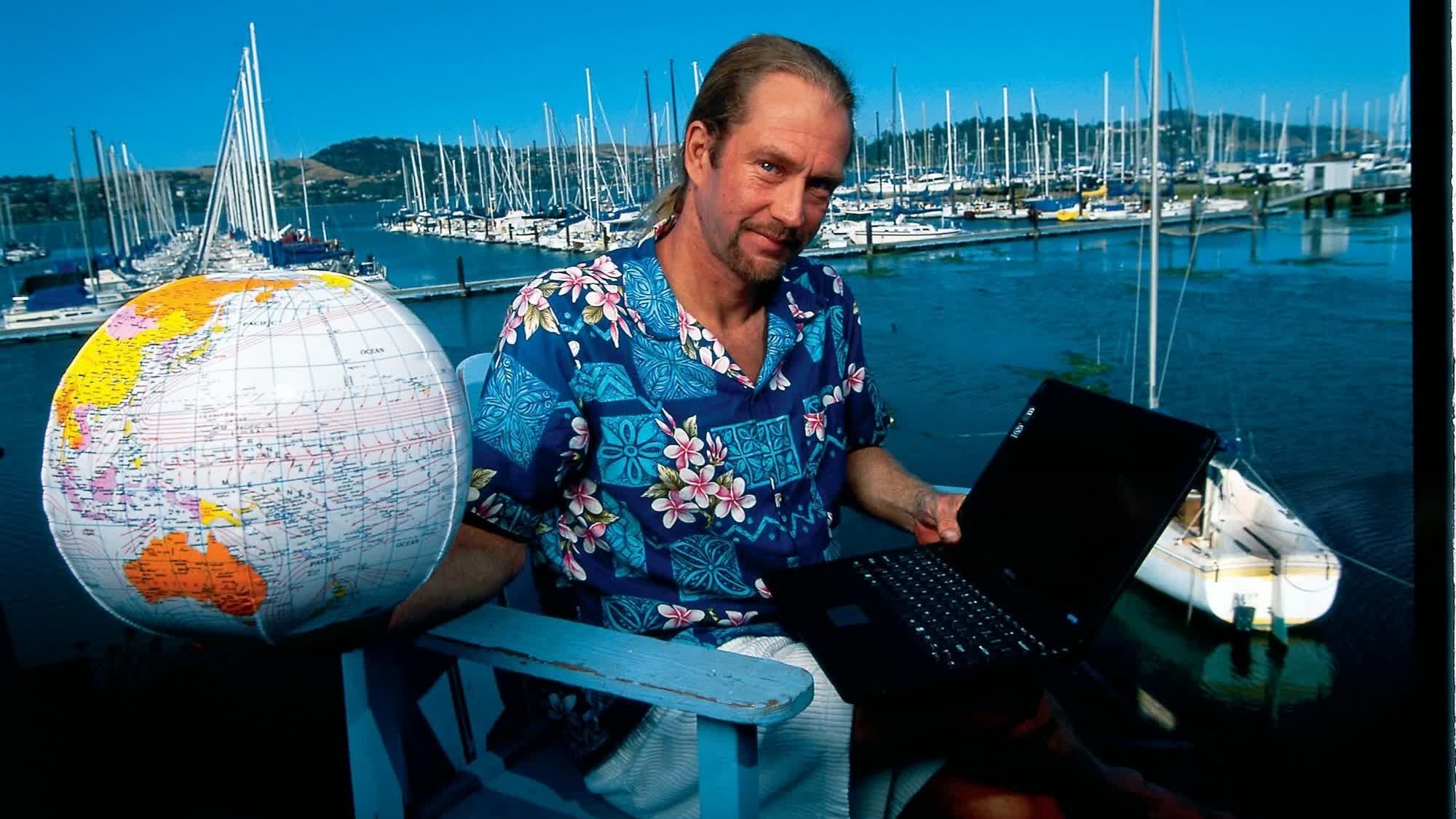
Gullickson said that in 1993, he demonstrated his ability to quickly implement biquadratic texture mapping technology to Nvidia co-founders Huang Jensen and Curtis Prim, and subsequently received 25,000 stock options. He was later listed as a co-inventor on a U.S. patent. From September 1993 to April 1996, he served on NVIDIA's Technical Advisory Board.
Gullikson said that when he left the company in 1996, only 15,625 options actually vested, less than the 25,000 he was entitled to. The difference was due to the fact that the documents listed the vesting period as four years instead of four quarters. He believes that the option agreement stipulates that the options will vest in quarters and should all vest within one year. Therefore, all 25,000 options should have vested long before leaving the company in April 1996. According to his calculations, the 9,375 unvested options have been split approximately 480 times over the past 30 years, equivalent to approximately 4.5 million shares; based on approximately US$230 per share on September 29, 2026, the value exceeds US$1 billion.
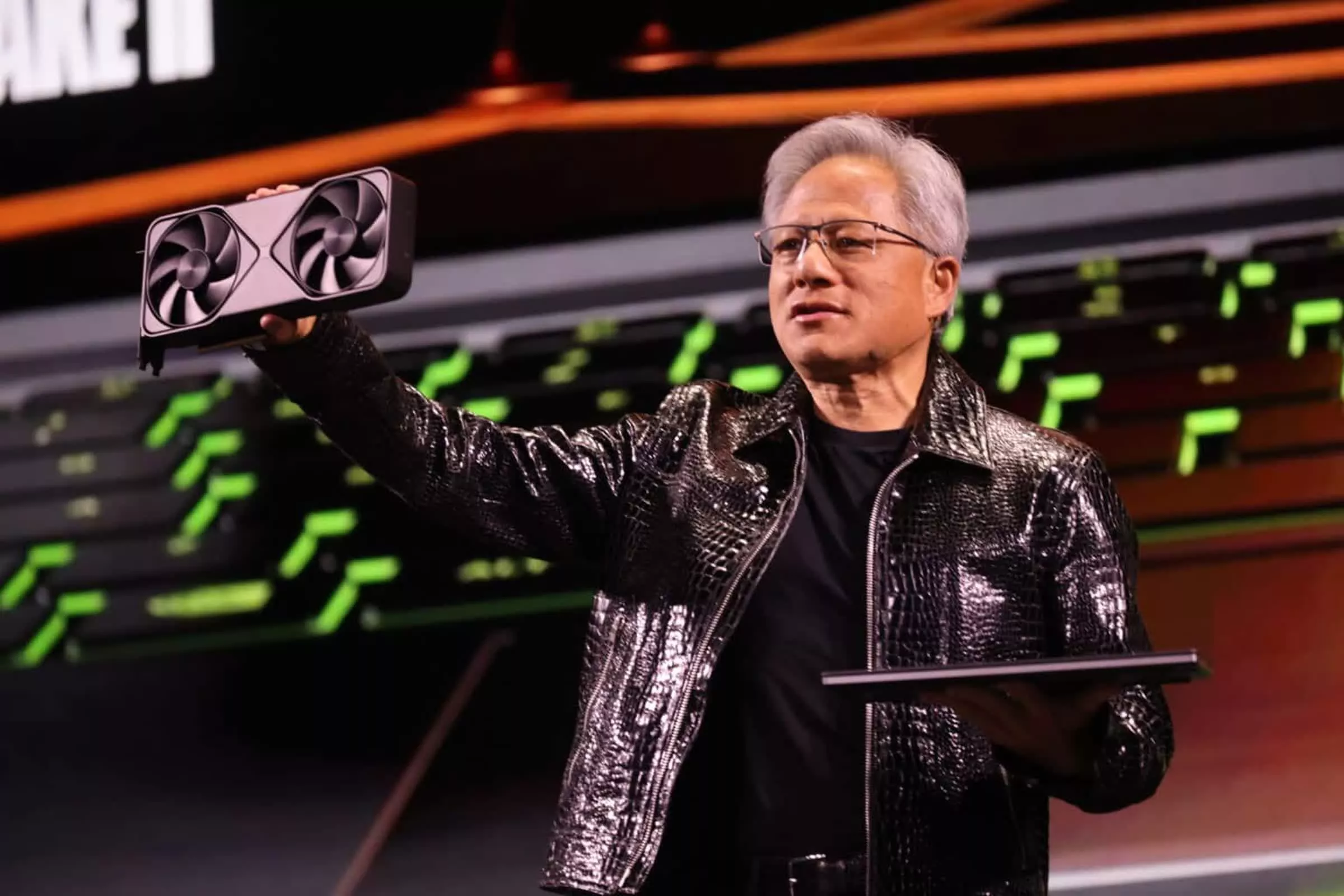
Gullikson said he discovered the decades-old error only when he was sorting through old documents in 2024 and watching the artificial intelligence craze drive up Nvidia's stock price. Nvidia later became the first company to reach a market capitalization of $5 trillion.
However, there are contradictions in the documentation regarding the vesting period. Gullickson admitted that Huang's original invitation letter stated that the options would vest within four years; but he pointed out that the option agreement signed in September 1993 stipulated that the options would vest in quarterly installments and be completed within one year. He also said that the agreement superseded the previous written agreement. On the other hand, a letter from then-Chief Financial Officer Marcel Ghani in April 1996 confirmed that 15,625 options had vested at that time, a number consistent with the four-year vesting period.
Gullickson said that he hired a lawyer to deal with Nvidia's internal and external legal counsel for about a year. Nvidia allegedly did not challenge the authenticity of the option agreement, but after Gullickson offered to settle, it rejected the claim on the basis that it was "time-barred." He said that he considered suing, but after evaluating with his lawyer, he believed that the case was likely to be dismissed because the statute of limitations had long expired, so he ultimately did not file a lawsuit.
Comments