
Abstract:
A small human study found that fenoterol increased energy expenditure in subjects, but the researchers did not observe a comparable significant activation of brown fat, so it's unclear where the extra energy comes from. Brown fat can burn energy to produce heat. Scientists hope to use drugs to simulate cold stimulation and use this mechanism to help control obesity.
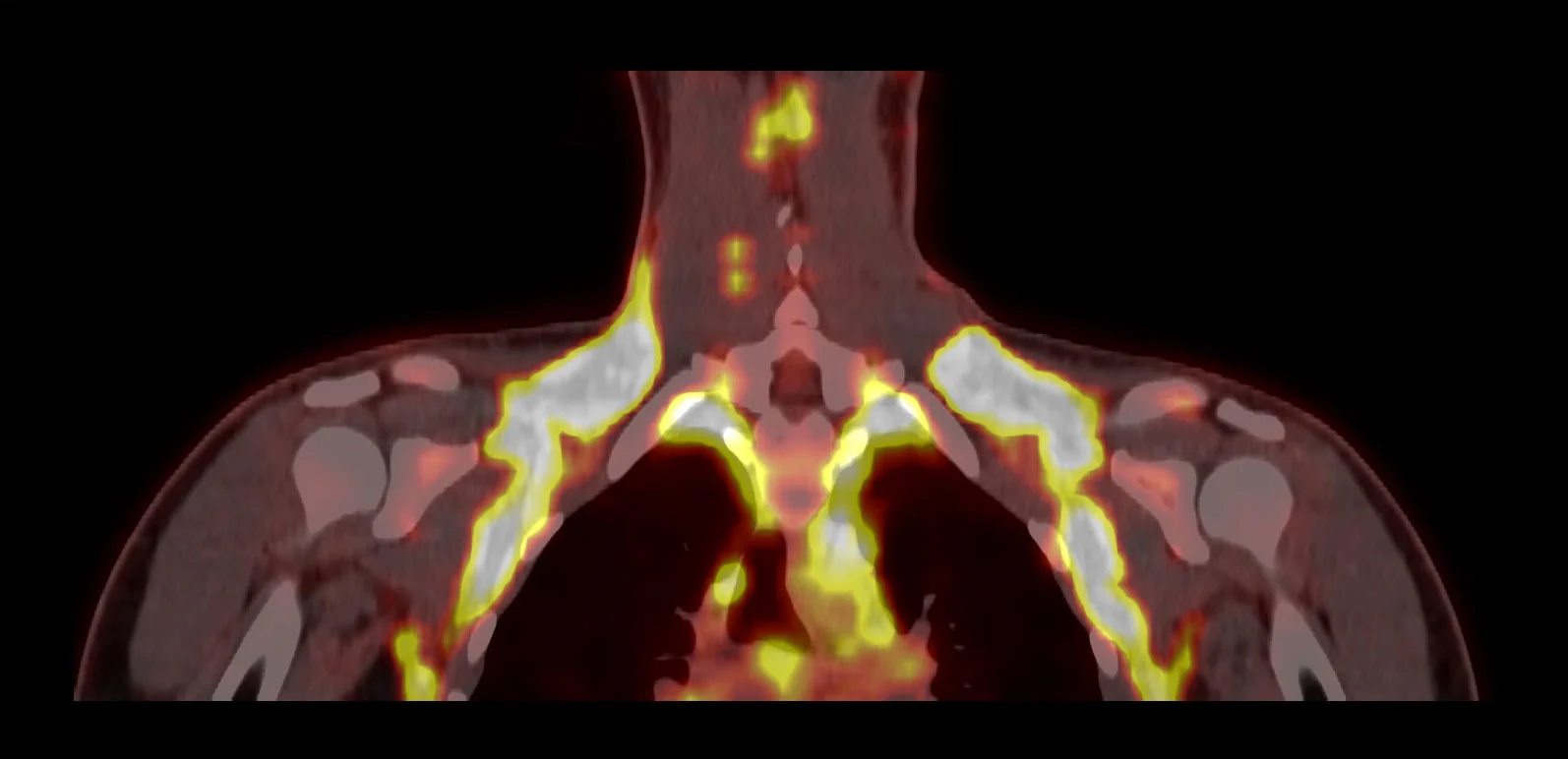
The human body tends to respond by reducing energy expenditure when it loses weight, and current weight loss drugs work primarily by suppressing appetite. Matthias Bates, a professor at the University of Basel and Basel University Hospital in Switzerland, said that if you can reduce appetite and increase energy consumption at the same time, you may be able to deal with obesity more effectively, but researchers first need to further understand the regulatory mechanism of brown fat.
Brown fat is naturally active in cold environments. People with active brown fat tend to be leaner and have better metabolic markers, so the team wanted to know whether stimulating beta adrenergic receptors on cells could replicate the effects of cold. Fenoterol can stimulate this type of receptor, providing conditions for studying whether this signaling pathway can activate brown fat in humans.

The study included 11 healthy volunteers who received mild cold exposure and fenoterol treatment. The researchers measured the subjects' energy expenditure and assessed brown fat activity through PET/CT scans. Both interventions increased energy expenditure, but only cold stimulation significantly activated brown fat; this tissue took up significantly more glucose after cold exposure than after fenoterol.
Bates said the team did not expect that fenoterol would significantly increase energy expenditure without significantly activating brown fat. This study illustrates that increased energy expenditure does not necessarily mean that brown fat has been activated.
The researchers speculate that the increased energy expenditure of fenoterol may come from skeletal muscle or white fat, which is mainly responsible for storing energy, but this study cannot determine the specific tissue or process. Analysis of human tissue also shows that brown fat may require multiple receptors or biological signals to work together to fully activate, meaning that stimulating a single receptor may not be as easily translated into a treatment as researchers originally thought. The findings were published in the journal Cell Metabolism on August 12.
Comments