
Abstract:
ASML, the world's only company capable of manufacturing extreme ultraviolet lithography equipment, said that the impact of the artificial intelligence boom on society and the chip industry will not end in the short term, but may continue to unfold in the next 10 to 15 years. Christophe Fouquet, CEO of ASML, said that the current changes brought about by artificial intelligence are "just the tip of the iceberg." Meeting future demands will require not only more AI accelerators, but also improvements in optical systems, development of vertical chip designs, and expansion of the global network of specialized suppliers.
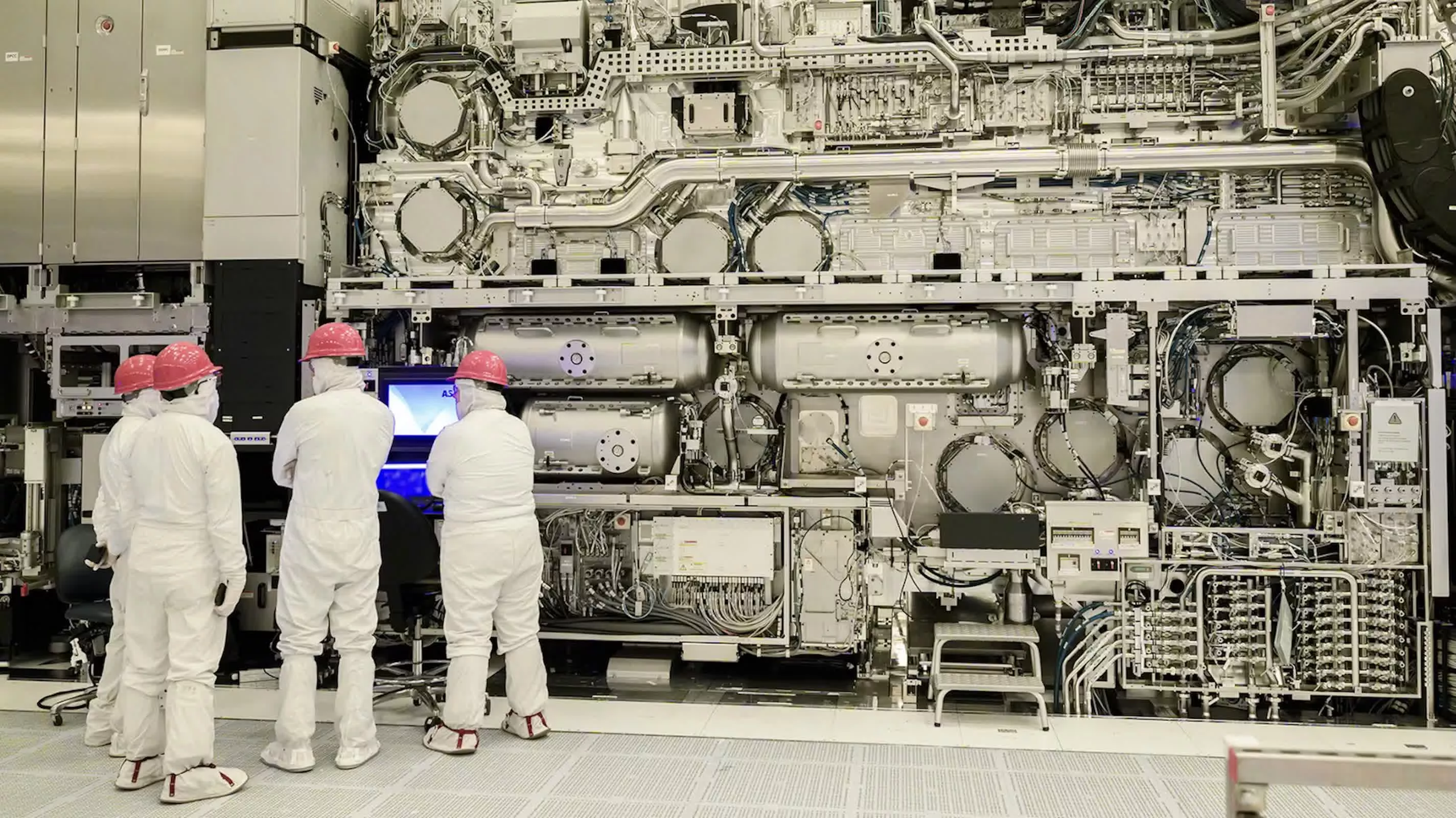
ASML is planning to upgrade the mirror aperture of extreme ultraviolet lithography equipment. The larger aperture is expected to allow the device to focus extreme ultraviolet light more precisely, thereby supporting finer pattern etching and future advanced manufacturing processes. At the same time, ASML expects more circuits in chips to shift from planar layout to vertical stacking. By stacking transistors and other circuits, chipmakers can continue to increase integration density and performance as further shrinking of transistor sizes becomes difficult. This solution is especially important for artificial intelligence chips that require stronger computing power and faster memory access speeds.
ASML’s judgment shows that artificial intelligence brings not only short-term growth in demand for accelerators, but also long-term demand for semiconductor manufacturing systems. Affected areas also include manufacturing equipment, advanced packaging, memory, network equipment and data center systems supporting AI workloads. ASML is at the core of this industrial chain, and its extreme ultraviolet lithography systems are used by leading wafer foundries to manufacture artificial intelligence processors.
Extreme ultraviolet lithography equipment is extremely difficult to copy. Each equipment costs up to about $400 million and contains more than 100,000 parts. It relies on lasers, mirrors, vacuum systems and molten tin droplets to generate and guide extreme ultraviolet light and project it onto the silicon wafer. The entire device is roughly the size of a double-decker bus.
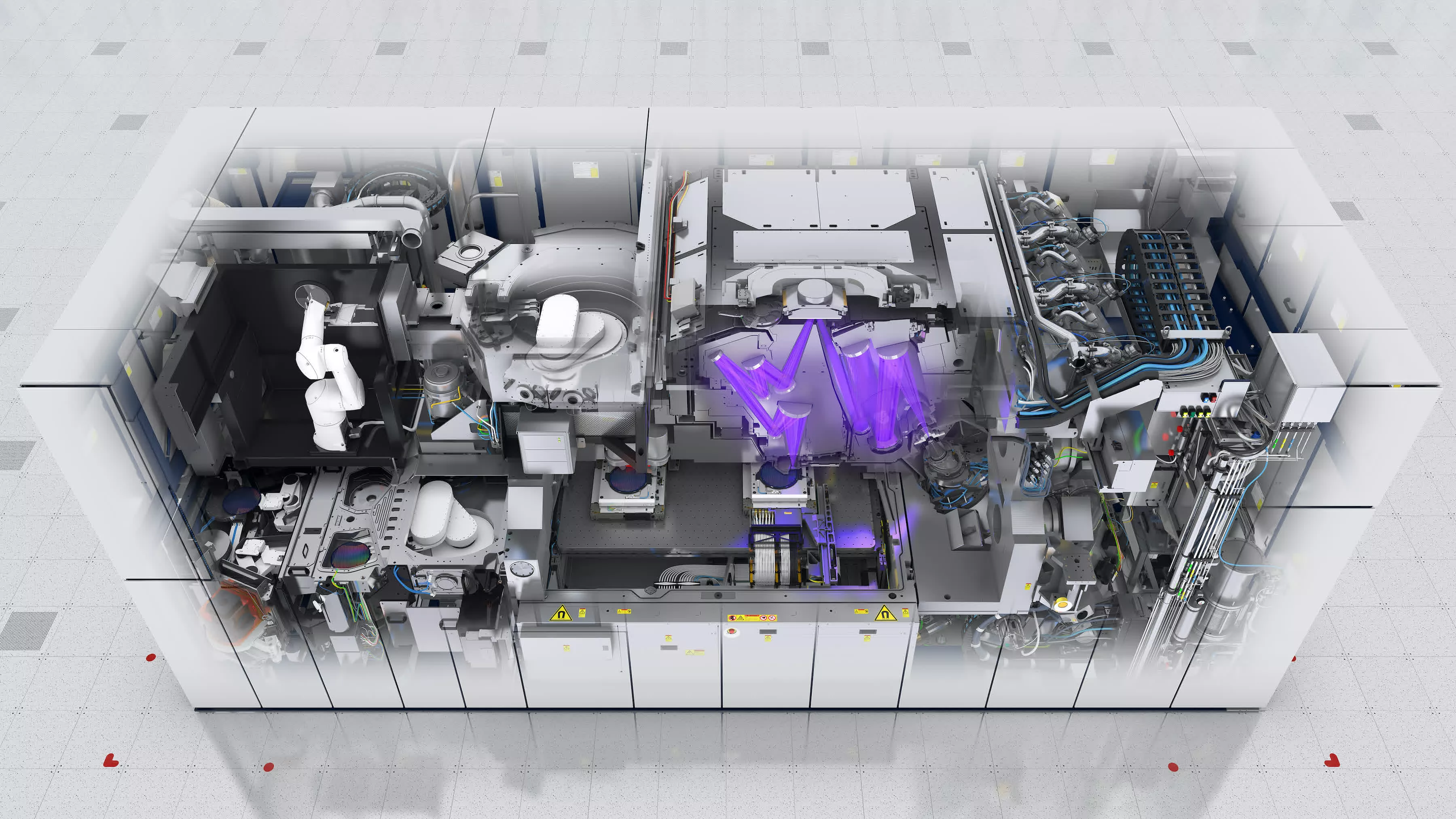
ASML has about 200 major suppliers for extreme ultraviolet systems alone, and the entire supply chain involves about 2,000 companies. Zeiss is responsible for key optical components, TRUMPF supplies lasers, and VDL manufactures electromechanical systems; ASML also acquired laser manufacturer Cymer in 2013 to ensure the supply of key components. Due to its reliance on a large number of highly specialized parts, manufacturing experience and suppliers that meet strict technical requirements, ASML cannot quickly expand production capacity simply by increasing investment in assembly plants.
Fukai said that the more complex the product, the greater the advantage ASML gains in competitiveness, and the company can advance technology development faster than other companies. Nikon and Canon, which once competed with ASML in the field of lithography, are still mainly focused on deep ultraviolet lithography equipment. Deep UV equipment is still widely used in chip production, but the most advanced manufacturing processes require extreme ultraviolet lithography.
ASML's market position also makes its technology the focus of export restrictions. The company is currently unable to sell extreme ultraviolet lithography equipment to China. This policy limits Chinese chip manufacturers' access to the most advanced lithography tools and also prompts China to develop its own equipment supply chain. Fukai said that Huawei is an important participant in China's promotion of deep ultraviolet equipment research and development. China is still far behind in manufacturing extreme ultraviolet replacement equipment, but it is developing deep ultraviolet equipment, as well as components, materials and other links required for semiconductor manufacturing.
In the field of artificial intelligence software, ASML also holds 11% of the shares of the French AI company Mistral, giving it access to the European artificial intelligence software market. However, ASML’s core role in the artificial intelligence industry is still to provide chip manufacturing equipment. In the future, more advanced extreme ultraviolet optical systems and vertical chip designs are expected to help the industry continue to improve performance, but will also increase reliance on specialized manufacturing equipment and efficient supply chains.
Comments