
Abstract:
The 2-nanometer process project of Rapidus, a Japanese advanced semiconductor company, is encountering important challenges. The latest news shows that the company failed to complete SRAM (static random access memory) related technical milestones as scheduled while promoting the development of 2nm process, which makes its original goal of achieving mass production of 2nm chips in fiscal year 2027 facing uncertainty.
It is understood that SRAM is one of the core components in modern advanced chip design and an important indicator for verifying process maturity. For artificial intelligence chips, large-capacity SRAM cache can significantly improve data processing efficiency. Therefore, the ability to successfully manufacture SRAM cells that can work normally is regarded as a key threshold that must be crossed before advanced processes can move towards mass production.
According to relevant reports, Rapidus originally planned to complete the development of operable SRAM cells by the summer of 2026, but so far this goal has not been achieved. The project is months behind schedule as a result, and the engineering team is under intense pressure to speed up development. If subsequent progress fails to catch up with the planned schedule in time, the company's original goal of launching 2-nanometer mass production in the second half of fiscal year 2027 may be affected.
In addition to SRAM R&D issues, Rapidus was also exposed to challenges in wafer manufacturing environment management. Sources say the company's clean rooms are dealing with dust and particulate control issues. Since advanced manufacturing processes have extremely strict requirements on the production environment, any contamination may affect chip yield and production efficiency. Therefore, related issues have also become the current focus of the engineering team.
Despite growing external concerns, Rapidus still insists that the project is still progressing overall. The company said that the team will continue to work hard to start mass production in the second half of fiscal year 2027 in accordance with the established goals. However, the company has not publicly disclosed more details related to technology development.
Rapidus was established in 2022. It is promoted by the Japanese government and has received widespread support from the industry. It is regarded as an important strategic project for Japan to rebuild its advanced semiconductor manufacturing capabilities. Since its establishment, the Japanese government has provided more than 2 trillion yen in financial support to the company, hoping to enhance local advanced chip production capabilities and reduce dependence on overseas foundry companies.
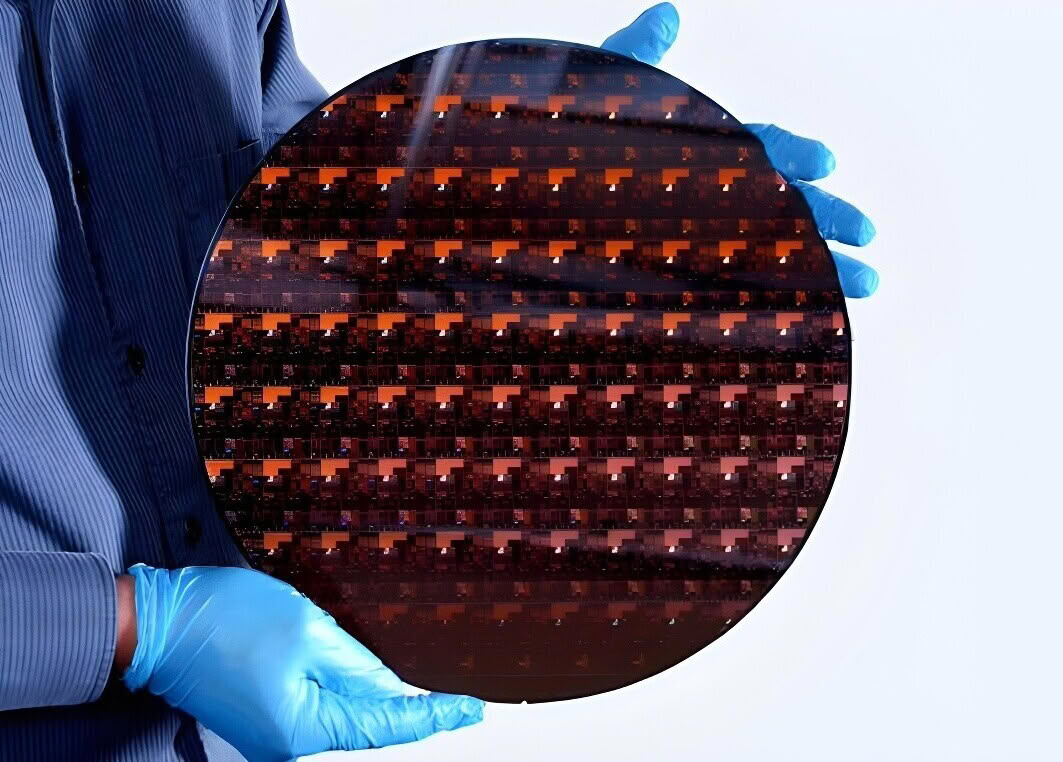
Over the past few years, Rapidus construction has progressed rapidly. The company's IIM-1 factory in Chitose, Hokkaido, took only a short time from the start of construction to the completion of clean room deployment. It successfully completed the tape-out of 2-nanometer GAA test chips in 2025, and installed more than 200 advanced semiconductor equipment, making it one of the fastest advanced advanced wafer fab projects in the world.
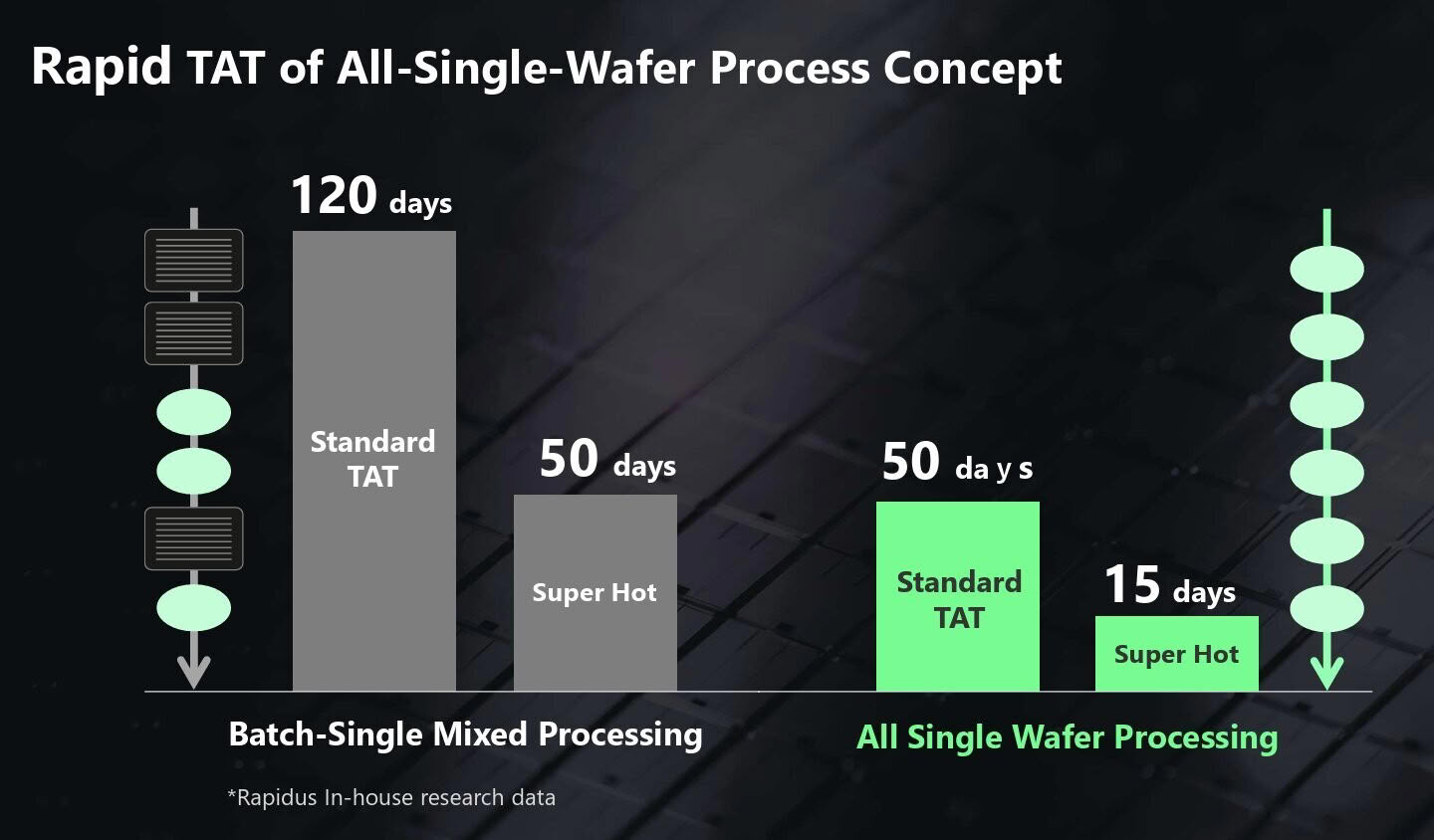
In order to establish an advantage in the highly competitive foundry market, Rapidus has also proposed a number of differentiated service plans, including a promise to provide an ultra-fast wafer delivery cycle that is rare in the industry, hoping to attract customers who require advanced processes. However, industry insiders believe that what really determines its future competitiveness is whether it can solve the current technical challenges on time and successfully achieve mass production of the 2nm process.
Analytics believe that if problems related to SRAM R&D and production environments persist, Rapidus's mass production schedule may be further impacted. However, considering the continued investment of financial support by the Japanese government and the company's cooperation with partners such as IBM in the field of advanced manufacturing, this company, which is responsible for the mission of revitalizing Japan's semiconductors, still has the opportunity to overcome current difficulties and move towards its established goals.
Comments