
Abstract:
Amid the continued surge in demand for artificial intelligence computing power, a large number of Nvidia's advanced AI chips are stranded in Hong Kong waiting to enter mainland China. According to people familiar with the matter, about 600,000 NVIDIA H200 artificial intelligence chips are currently stored in Hong Kong warehouses. However, because the relevant import approval has not yet been approved, these chips have been unable to enter the Chinese market on a large scale.
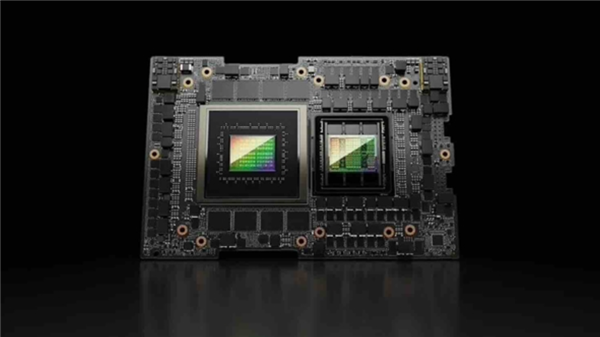
The size of this inventory, which has not been publicly disclosed before, reflects the complex trade-offs China faces between developing its artificial intelligence industry and reducing its dependence on U.S. technology. On the one hand, Chinese technology companies’ demand for high-performance AI computing power continues to grow; on the other hand, regulatory authorities remain cautious about expanding their reliance on advanced U.S. technology.
According to people familiar with the matter, although large-scale imports have not yet been approved, China has recently allowed some H200 chips to enter the domestic market. In the past few months, a number of large Chinese Internet companies have each obtained approximately 10,000 H200 chips. In addition, some chips enter the Chinese market through middlemen and indirect channels, but the specific number has not been disclosed.
As of now, the relevant Chinese authorities have not approved the large-scale import of H200. Neither China’s Ministry of Industry and Information Technology nor the National Development and Reform Commission responded to the relevant situation. Nvidia, as well as companies such as Alibaba, ByteDance, DeepSeek and Tencent, have not commented publicly.
Although H200 is no longer NVIDIA's latest generation AI processor, its performance is still highly competitive, especially when used in conjunction with NVIDIA's software ecosystem, and it is still of great value for artificial intelligence model training. At present, China's local substitute products have not yet fully reached the same level in some key capabilities.
Since 2022, the United States has continued to tighten export restrictions on advanced semiconductors and their manufacturing equipment to reduce China’s access to high-end AI chips. With limited legal supply, Chinese buyers have begun to rely more on intermediaries and indirect procurement links, which has also led to continued increases in gray market prices.
Informed sources said that as of the end of October, the quoted price of a server equipped with 8 H200 chips in the Chinese market had exceeded 6 million yuan, which was approximately three times the price a year ago. At the same time, servers equipped with Nvidia's newer generation Blackwell architecture chips are also affected by U.S. export controls, and the price of a single unit has exceeded 20 million yuan.
It is worth noting that the H200 chip is currently at the intersection of Sino-US technology and trade games. The U.S. government had banned exports of the product to China, but after the Trump administration approved it last year, Nvidia regained permission to sell the H200 to audited Chinese customers. The relevant adjustments are believed to be related to the progress of Sino-US economic and trade negotiations at that time.
However, export licenses from the United States do not automatically translate into large-scale access to the Chinese market. The current situation has created a special phenomenon: chips can leave the U.S. supply system, but cannot enter the Chinese mainland market smoothly and on a large scale.
Analysts believe that the current import approval impasse highlights the practical challenges facing China’s technology industry. As competition in artificial intelligence continues to escalate, Chinese companies need to obtain advanced computing power to support their own model research and development, while regulators hope to gain more room for growth for the domestic chip industry.
Against the backdrop of continued growth in demand and limited approval progress, a large number of H200 chips are still piling up in Hong Kong awaiting a final decision. When this batch of valuable computing power resources can enter the Chinese market is becoming the focus of attention in the global AI industry chain and chip trade.
Related articles:
The United States confirmed that NVIDIA H200 chips have started exporting to China, involving many leading Chinese AI companies
NVIDIA’s H200 product revenue shipped to Chinese customers accounts for less than 1% of total data center revenue
Comments