
Abstract:
As real-time ray tracing and path tracing continue to approach the performance limits of modern gaming hardware, researchers are trying to reduce computational overhead through smarter algorithms rather than relying solely on more powerful hardware. A research team from Wuhan University in China recently proposed a ray tracing optimization algorithm called BMA (Bounding-Volume Mapping Heuristic Mapping Algorithm), which can achieve up to 1.59 times rendering acceleration while maintaining high image quality, and the additional memory usage is almost negligible.
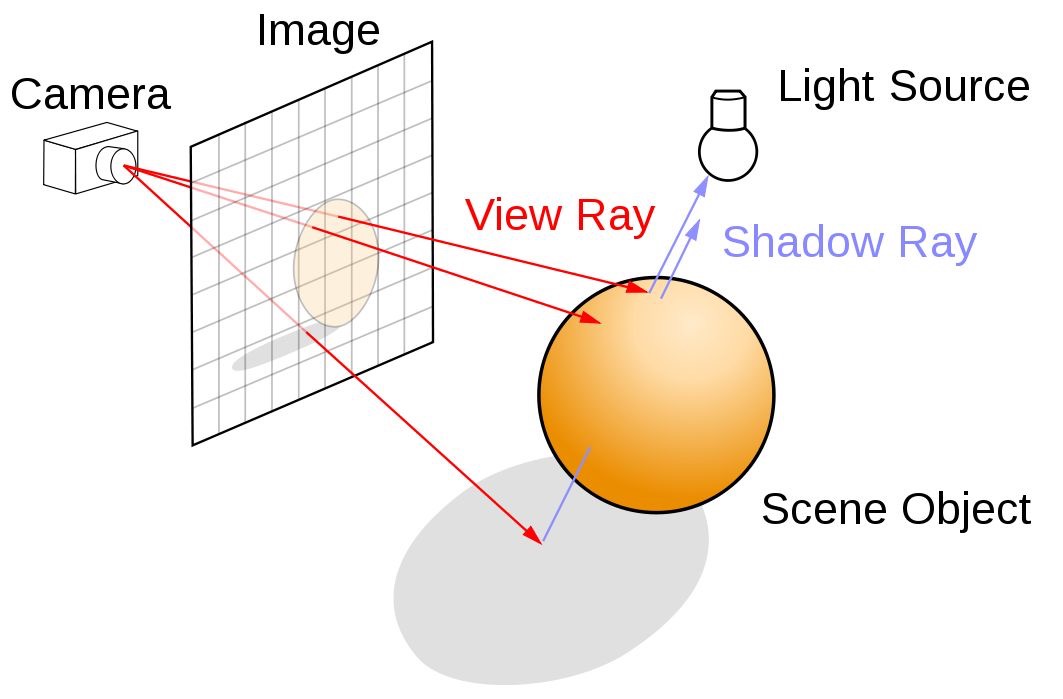
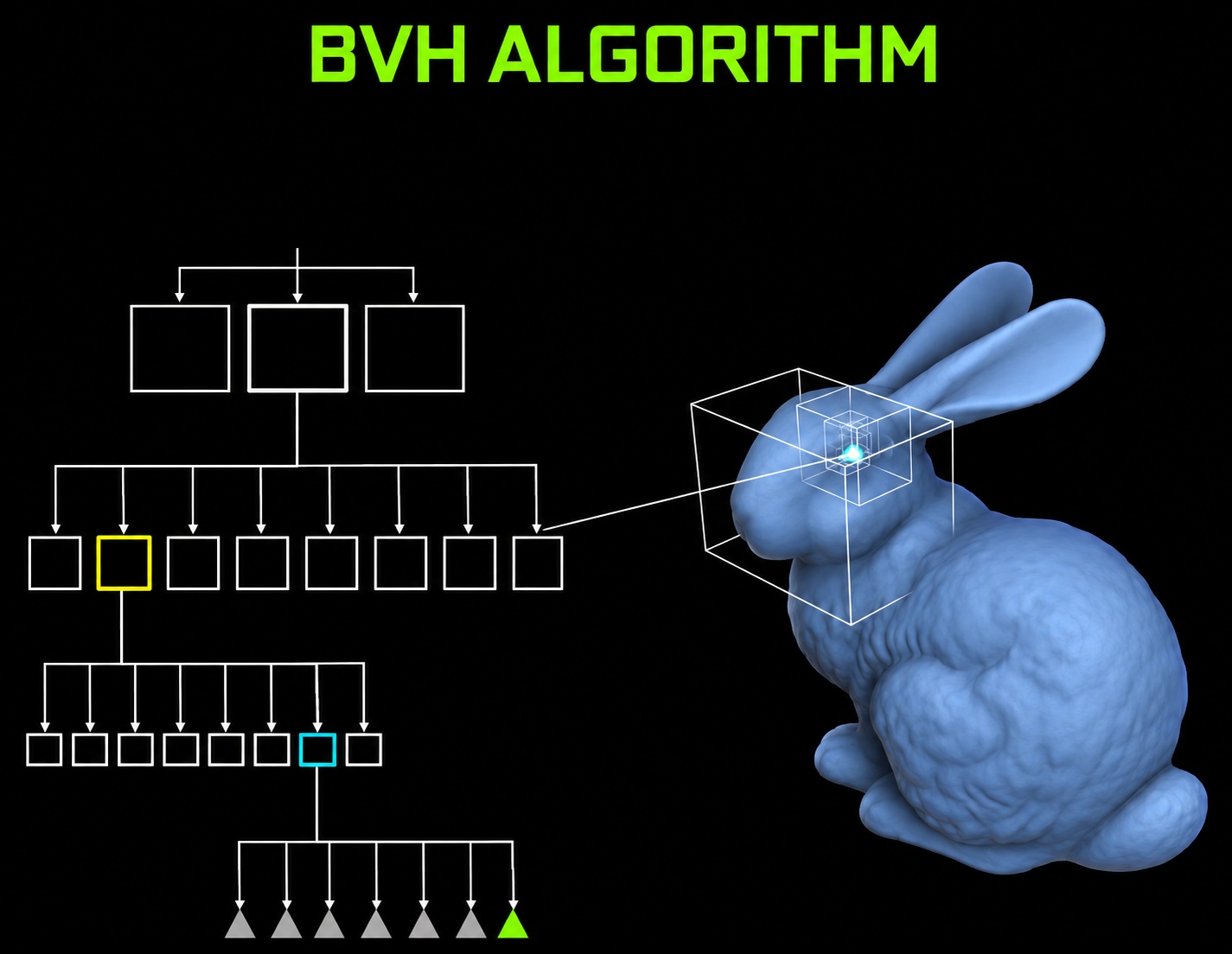
Ray tracing generates realistic lighting and shadows by simulating the interaction of light with objects in the scene, but it is computationally expensive. Modern ray tracing often relies on bounding volume hierarchies (BVH) to speed up calculations. BVH is a tree-like acceleration structure that allows rays to quickly find geometry that may intersect without having to test each triangle in the scene one by one. However, iteratively traversing these hierarchies is still very time-consuming, especially in path tracing scenarios where multiple light bounces need to be simulated.
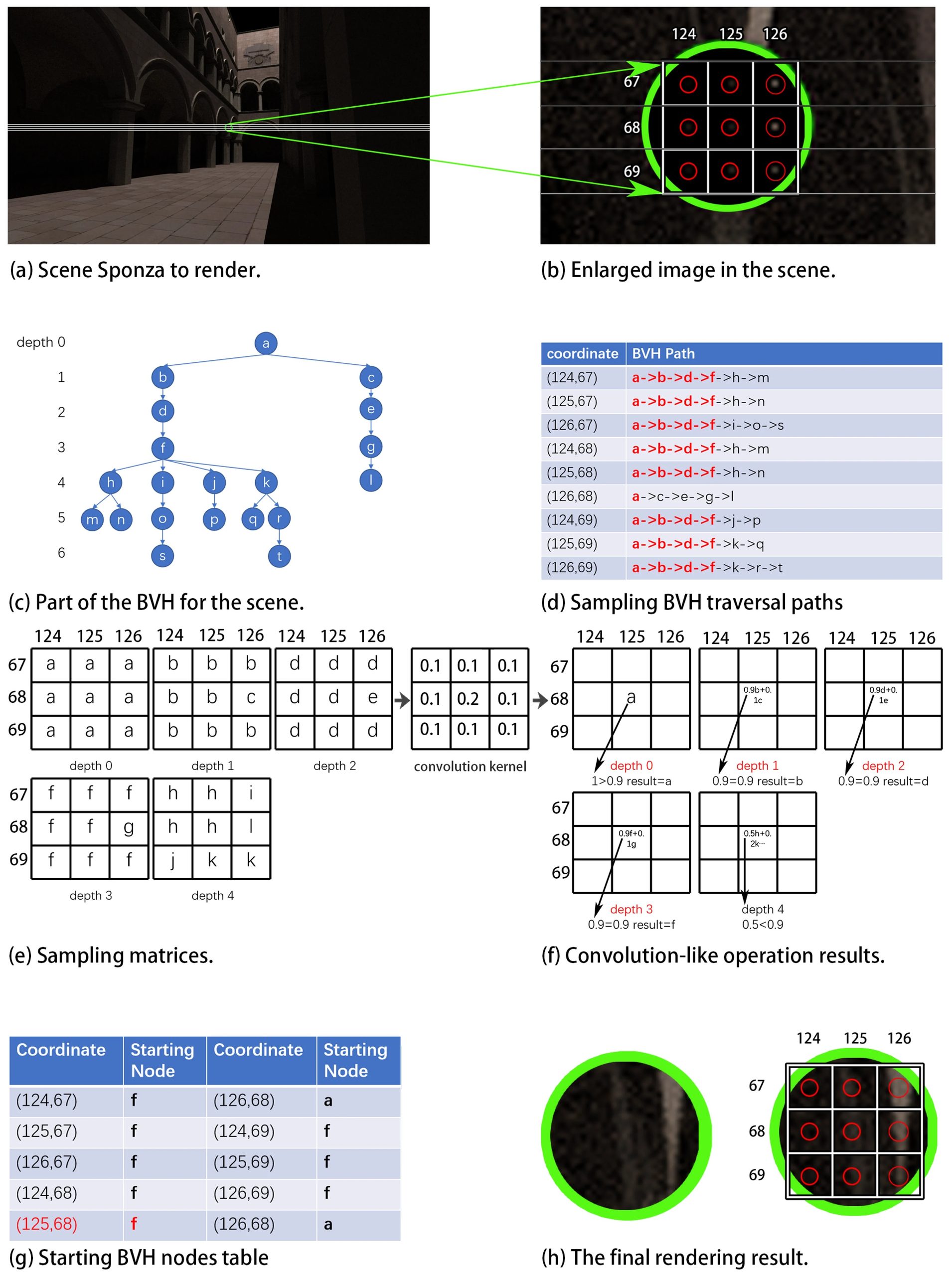
The core idea of BMA is to utilize the spatial correlation of light emitted by adjacent pixels. The algorithm first samples representative rays in image blocks, estimates the traversal paths they may pass, and then uses these prediction results to allow subsequent rays to traverse directly from deeper nodes in the BVH. To put it simply, it is to let the light take a "shortcut" to avoid repeatedly passing the same branch in the acceleration structure.
The research team compared BMA with the unmodified Intel open source Embree ray tracing library. The test conditions were 1080p resolution, maximum path length 5, and 100 frames per scene rendering. The results show that there are obvious differences in the acceleration of different scenes: the dragon scene dropped from 32.94 seconds to 29.92 seconds, an acceleration of 1.10 times; the Buddha scene dropped from 14.22 seconds to 10.96 seconds, an acceleration of 1.30 times; the Cornell box scene dropped from 38.37 seconds to 37.56 seconds, an acceleration of 1 .02 times; the breakfast room scene dropped from 141.45 seconds to 132.80 seconds, an acceleration of 1.07 times; the meeting scene dropped from 188.09 seconds to 138.78 seconds, an acceleration of 1.36 times; the Sponza scene dropped from 187.10 seconds to 117.76 seconds, an acceleration of 1.59 times.
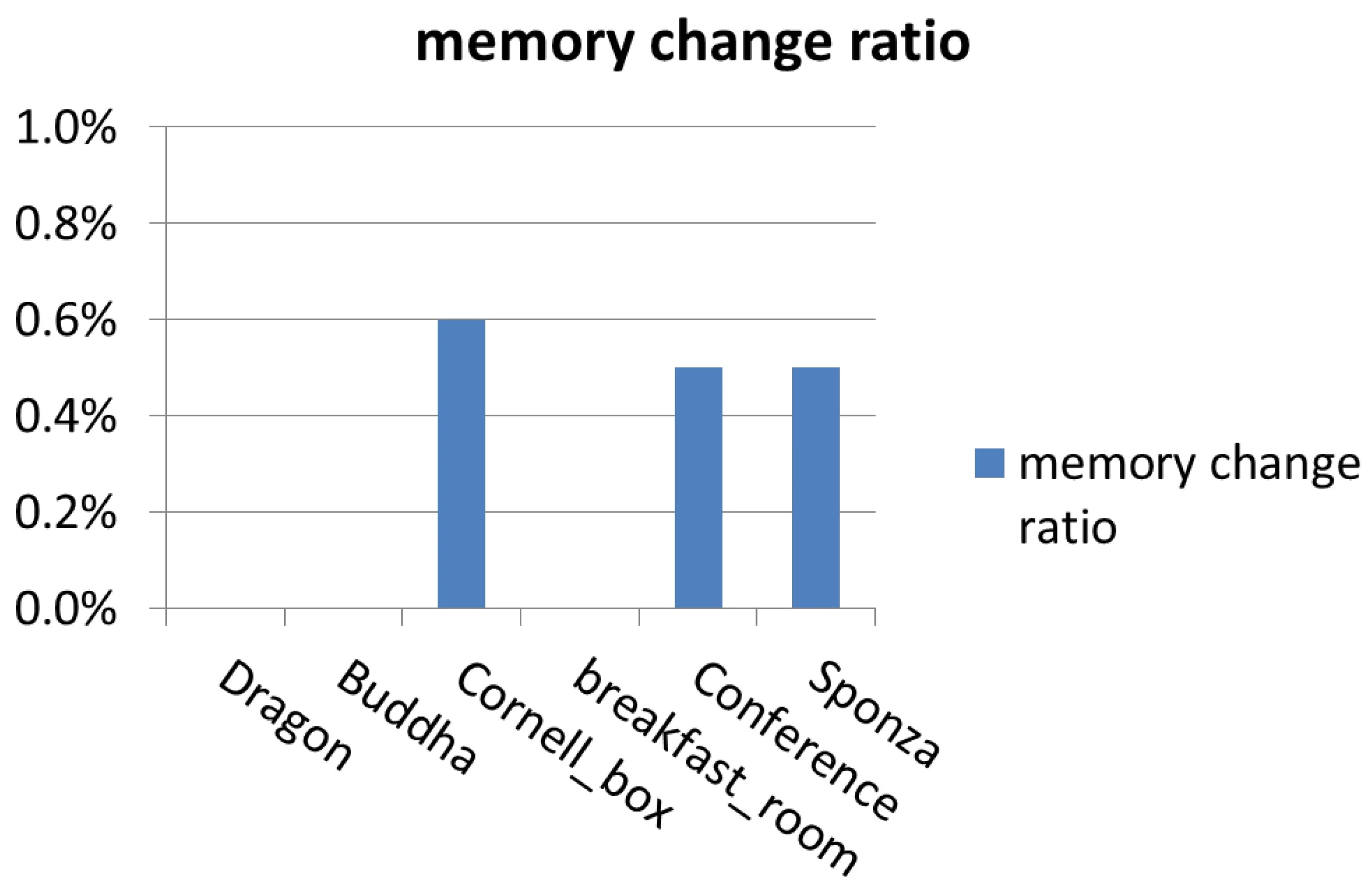
Among them, the performance of the Sponza scene is particularly outstanding, with BVH traversal operations reduced by approximately 48% and rendering time shortened by 37%. In all test scenarios, the additional memory consumption caused by BMA is less than 1%, and the maximum is no more than 0.6%.
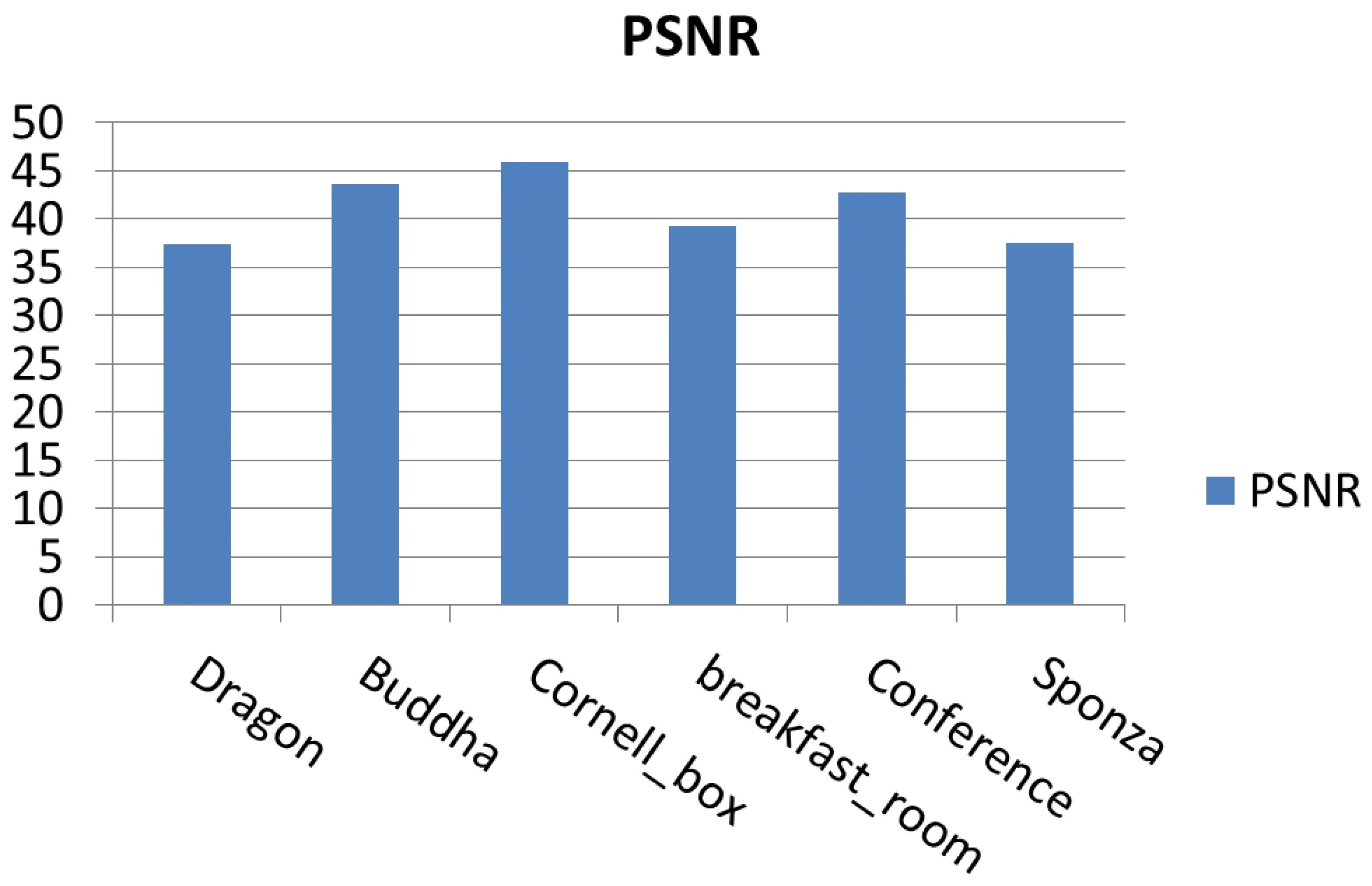
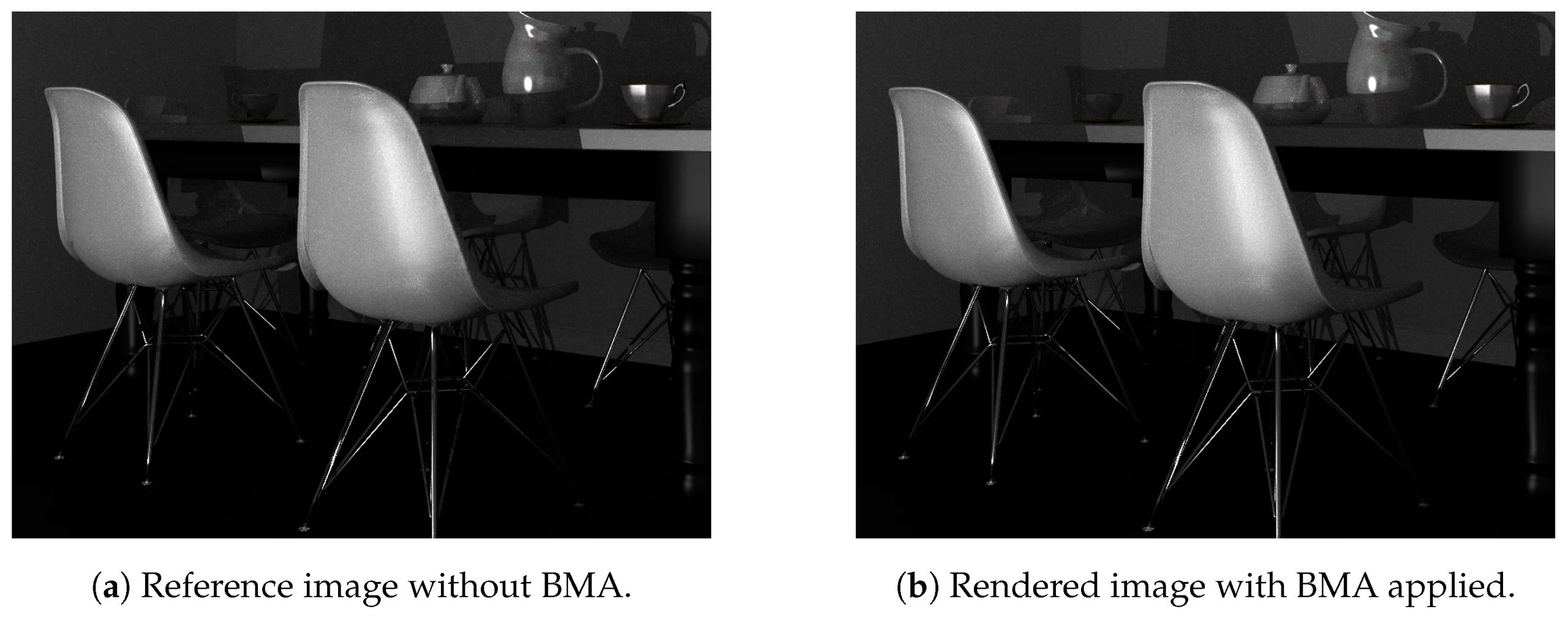
Unlike traditional mathematically precise traversal optimization, BMA actually trades a small amount of rendering accuracy for performance improvements. However, the peak signal-to-noise ratio (PSNR) of all test scenarios exceeds 35 dB, and the structural similarity index (SSIM) is also higher than 0.90. Visual inaccuracies mainly occur on small geometries and near the edges of objects. In the comparison picture of the breakfast room scene, the difference between the picture after enabling BMA and the reference image is very small, and the main problems are concentrated in thin structures and edge areas.
Currently, the implementation of BMA is mainly aimed at BVH traversal on the CPU side. The research team believes that GPU or even NPU acceleration is the future development direction. High-resolution rendering, including 8K games, is also a potential application scenario. BMA can also theoretically complement a number of ray tracing technologies in recent years, such as AMD's RT-MLAS, Nvidia's RTX Mega Geometry, and Microsoft's latest DirectX ray tracing enhancements. These technologies mainly solve the computational and memory overhead caused by accelerating the construction, update and management of structures, while BMA targets another bottleneck, which is the computational cost of traversing these structures themselves. Combining a more efficient acceleration structure with a smarter traversal algorithm is expected to alleviate multiple performance bottlenecks of ray tracing at the same time.
However, the performance benefits of BMA in actual games have not yet been verified. This study provides at least one encouraging example of how algorithmic innovation could potentially make computationally intensive path-tracing graphics more feasible on future gaming hardware.
Comments