
Abstract:
As artificial intelligence applications continue to heat up, market demand for high-performance AI computing hardware is growing rapidly. Industry insiders pointed out that the CUDA software ecosystem that NVIDIA has built over a long period of time is becoming one of its most important competitive barriers, and this advantage has also begun to be directly reflected in the market performance of the new generation of AI computers and development equipment.
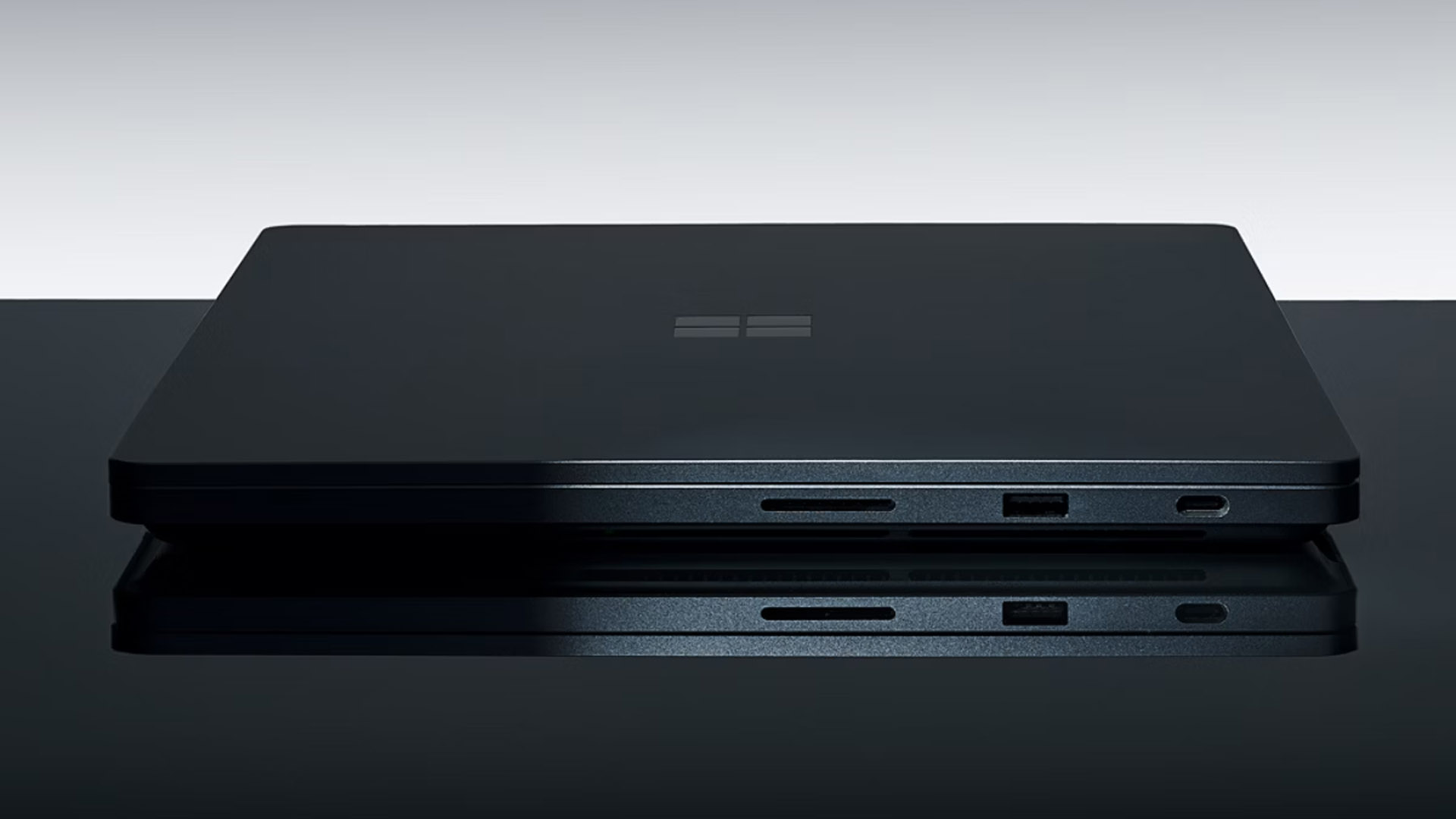
Recently, a number of laptops equipped with the NVIDIA RTX Spark platform have been launched. Although AI computing solutions from AMD, Intel and other manufacturers have appeared on the market, the developer community still relies heavily on the CUDA ecosystem for model development, training and deployment. This makes many users who want to run artificial intelligence applications locally preferentially choose devices based on NVIDIA technology stack.
Analysis believes that in the past few years, CUDA has not only been a set of GPU programming tools, but has gradually developed into a complete software ecosystem covering deep learning frameworks, scientific computing, high-performance computing and generative AI applications. Since a large number of existing code bases, research projects and enterprise workloads are already built around CUDA, migrating to other platforms often requires additional cost and time, further strengthening Nvidia's market position.
Market feedback shows that the RTX Spark notebook for local AI development and inference scenarios has received more attention than expected. Especially in the context of the increasing popularity of large-scale language models, more and more developers hope to complete model testing, fine-tuning, and inference tasks on local devices without relying entirely on cloud resources.
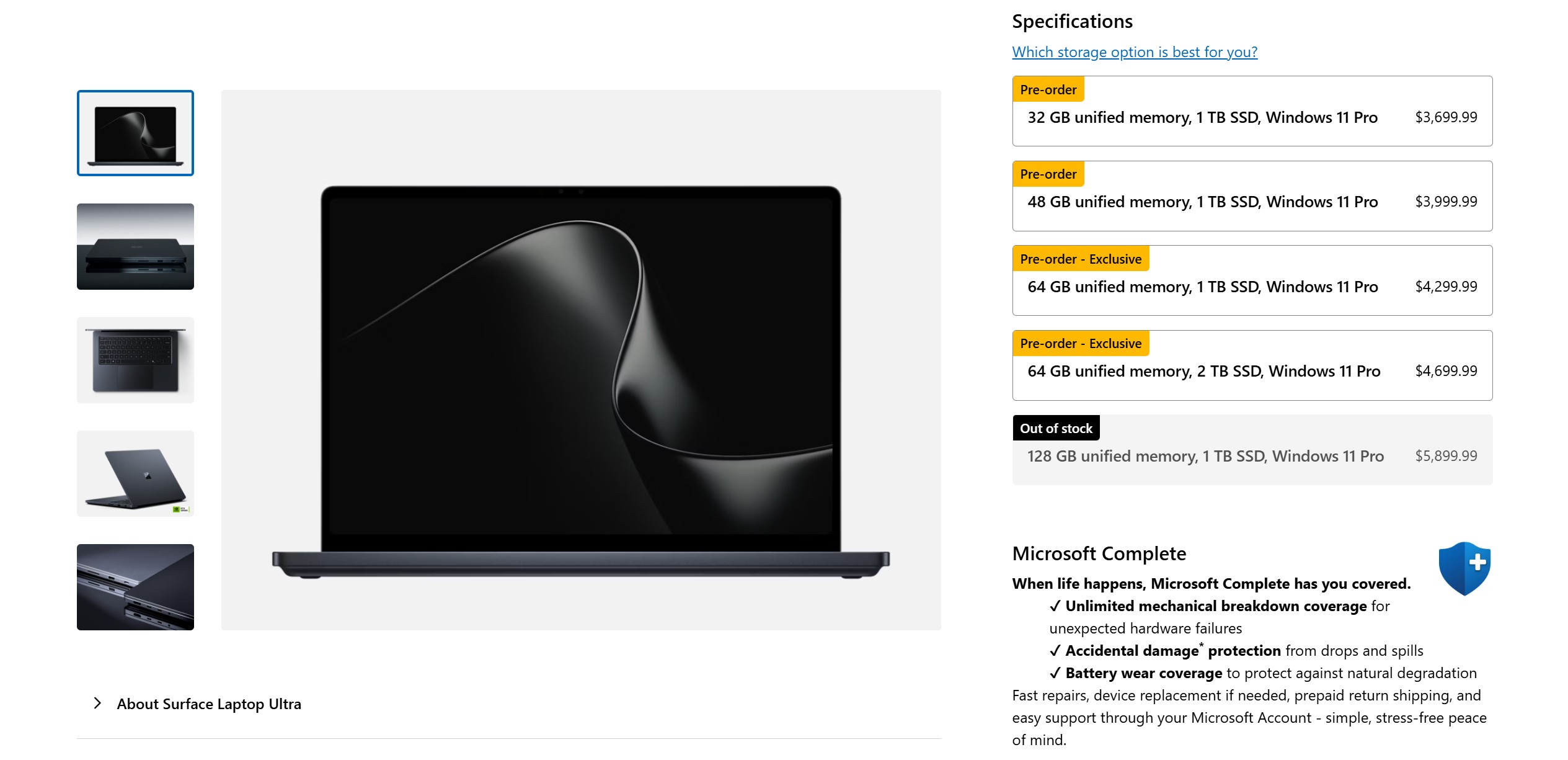
At the same time, Microsoft's newly launched high-end AI PC products are also in short supply. Among them, the high-end version of Surface Laptop Ultra equipped with 128GB unified memory was quickly sold out through multiple sales channels. Industry insiders believe that large-capacity memory is of great value for running large-scale artificial intelligence models, so it is sought after by developers, researchers, and professional creators.
As the scale of local AI applications continues to expand, the hardware configuration standards of traditional office computers are changing. Large-capacity memory configurations, which used to be mainly targeted at enterprise workloads, are now beginning to become an important selling point for high-end AI PCs. Especially when running billions or even tens of billions of parameter-level models, memory capacity often directly determines the size of the model that can be processed and the operating efficiency.
Industry observers point out that although competition in the AI hardware market is intensifying, Nvidia still has a clear software ecological advantage in the short term. Whether it is development tools, driver support, framework compatibility or community resources, the CUDA ecosystem has formed a high barrier to entry. If competitors hope to narrow the gap in the future, they will not only need to provide competitive hardware performance, but also need to establish a sufficiently mature software platform and developer ecosystem.
As generative artificial intelligence further enters the personal computer market, high-performance local AI devices are expected to become an important growth direction in the next few years. From the hot sales of RTX Spark notebooks to the rapid sell-out of high-end Surface Laptops, these phenomena reflect that the market demand for local AI computing power is rising rapidly, and the competition around the software ecosystem and hardware platforms will also become increasingly fierce.
Comments