
Abstract:
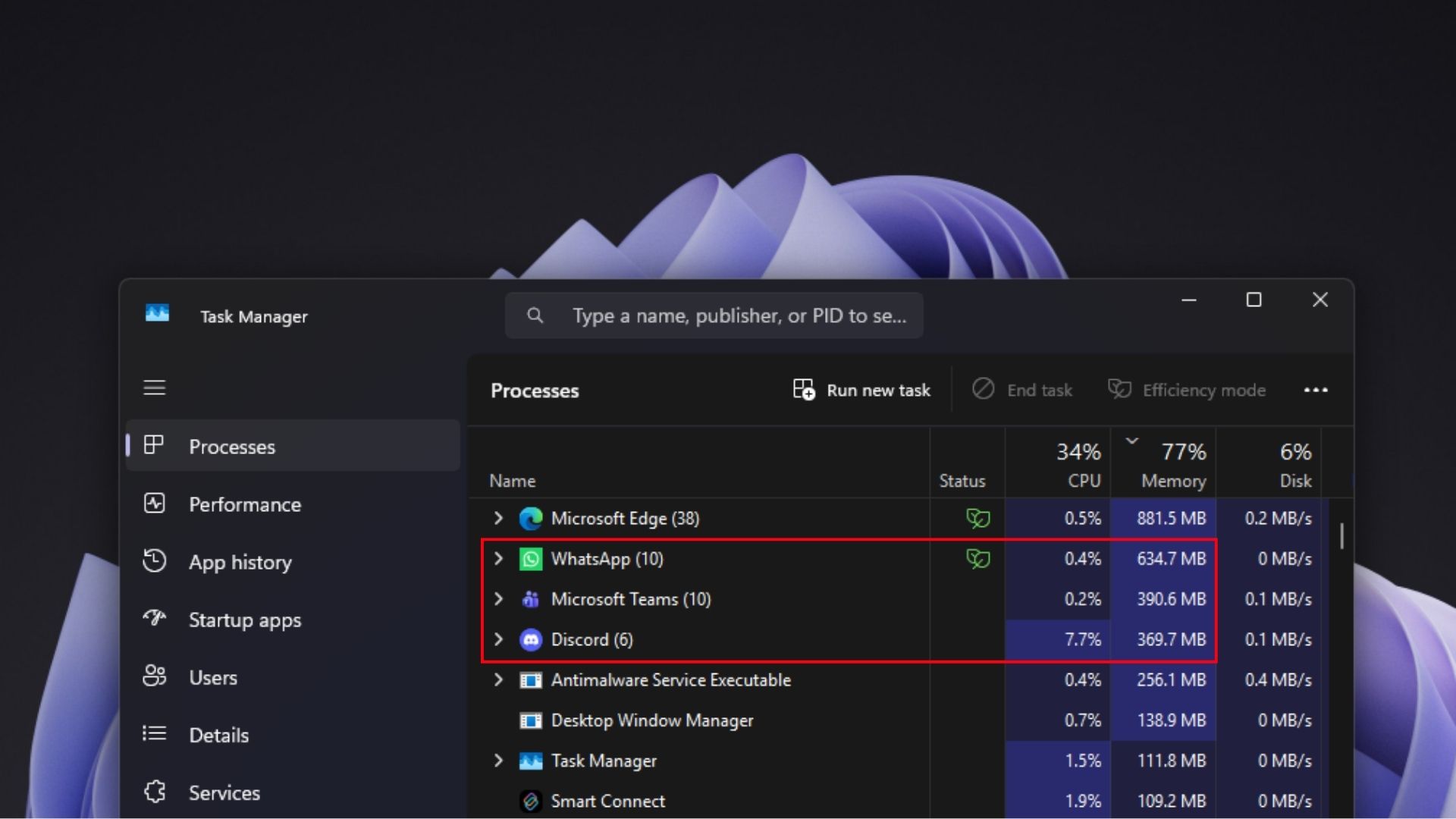
As global memory costs continue to rise, Microsoft is making reducing the memory footprint of Windows 11 one of its core tasks for future development. Pawan Davululi, head of Microsoft's Windows and device business, recently said that the rising price of memory has become an important challenge facing the entire PC industry. This is also an important reason why Microsoft promotes Windows 11 to reduce RAM consumption.
This topic originated from an exchange in Microsoft's official podcast "Inside Windows". A Surface Pro user asked Microsoft that in order to be able to run a local artificial intelligence model, he had to turn off some AI functions on the device, so he hoped that Microsoft would improve Windows' memory management capabilities.
In this regard, Davululi admitted that memory issues have now become the focus of the entire industry. As the cost of computer memory continues to rise, Microsoft must improve the efficiency of Windows' use of memory resources. He said that the Windows team has launched a series of clear work around memory management, hoping to reduce system resource consumption without sacrificing functional experience.

In fact, Microsoft began to publicly discuss this issue as early as May this year, and on July 31, the company further officially included "memory optimization for devices with 8GB and above" as one of the key directions for the future development of Windows.
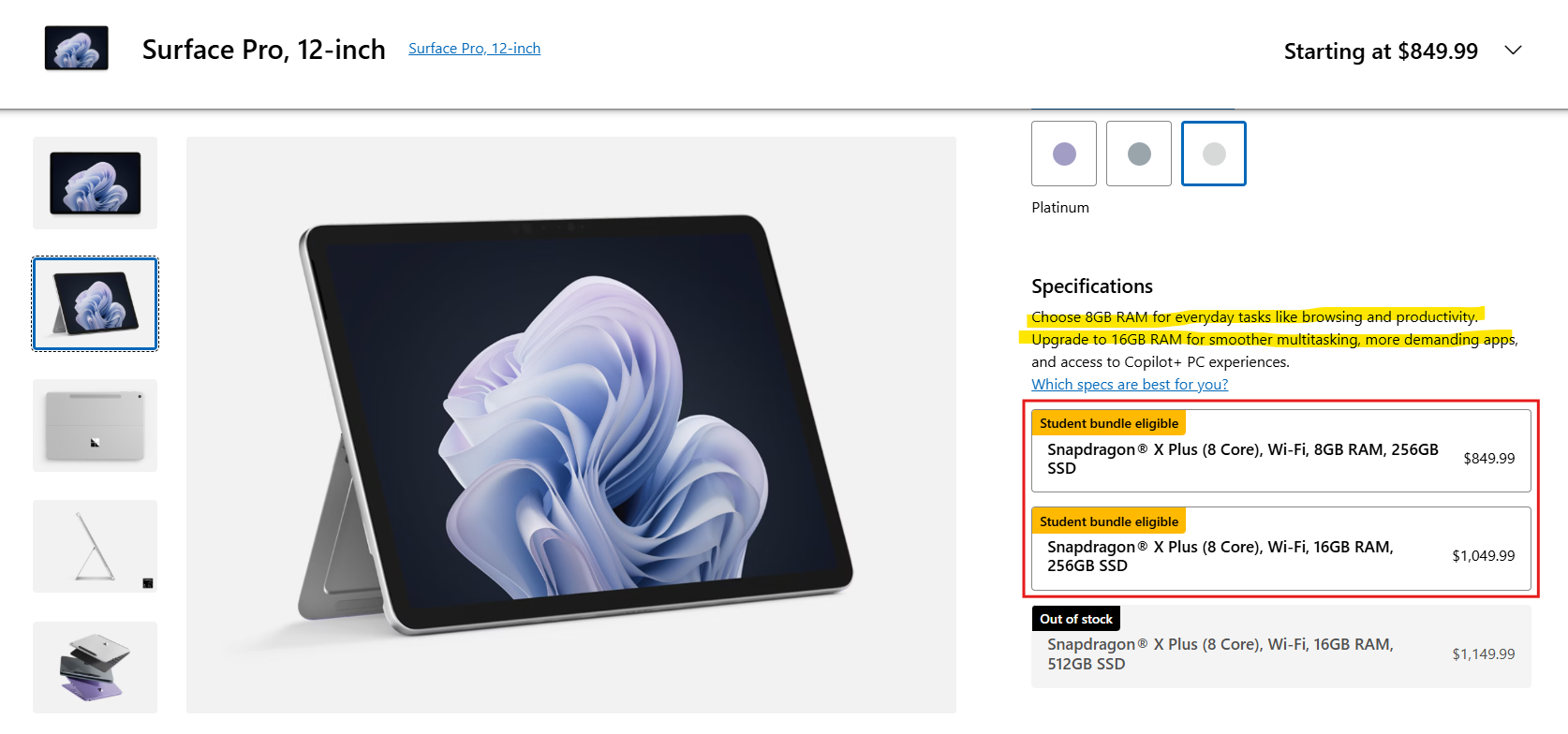
In recent years, with the rapid popularization of artificial intelligence applications and changes in the structure of the storage industry, memory prices have continued to rise. At the same time, some OEM manufacturers have relaunched laptops with 8GB memory configuration, making the issue of system resource usage once again the focus of ordinary consumers. Microsoft hopes to avoid obvious performance bottlenecks in Windows 11 on such devices through system-level optimization.
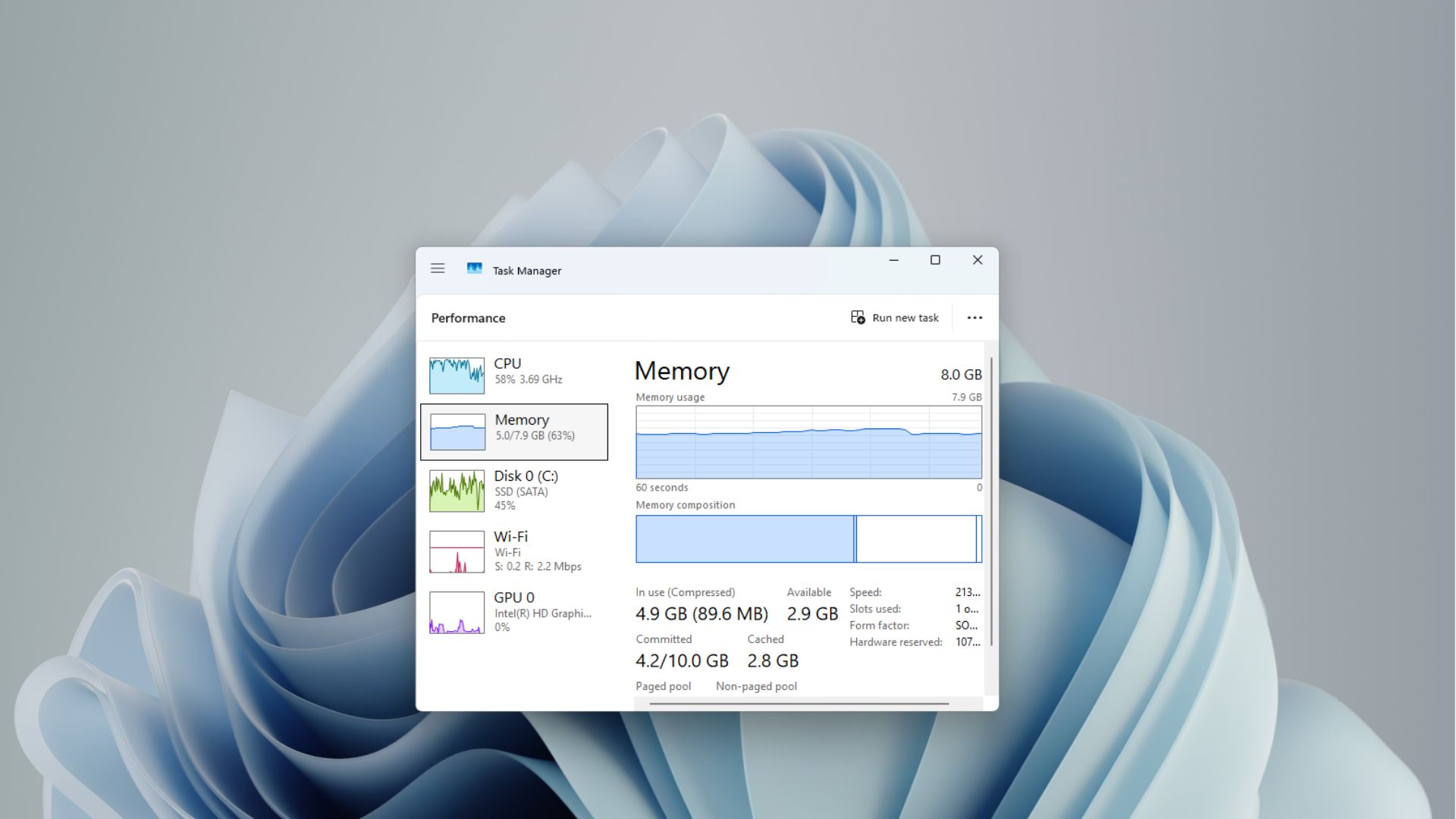
Davululi emphasized that Microsoft does not plan to solve the problem through a simple "memory cleaning tool", but is preparing to optimize from the underlying architecture. Relevant work covers the Windows memory manager, memory compression mechanism and application framework running on Windows, with the aim of allowing the operating system and applications to reduce unnecessary memory consumption at the same time.
He said that Microsoft has invested a lot of resources to improve memory compression technology and improve the operating efficiency of the entire system platform. These changes will gradually be reflected in future updates of Windows.
Marcus Ash, corporate vice president of Microsoft's design and research department, also revealed that teams including widgets and file explorers are adopting optimization methods centered on specific usage scenarios to analyze the memory consumption of different functions in real environments and improve resource utilization in a targeted manner.
In addition to reducing overall usage, Microsoft also plans to allow Windows to adopt a more dynamic resource scheduling strategy. Davuluri explained that certain functions will only occupy corresponding memory resources when the user actually uses them, and try not to increase the burden on the system when they are not enabled. In this way, the base Windows system can remain lighter, while advanced features are loaded on demand.

Microsoft also stated that in the future, it will provide users with more autonomous control options for artificial intelligence functions, allowing users to decide which AI capabilities will run permanently and which functions will be enabled on demand, thereby further reducing system resource usage.
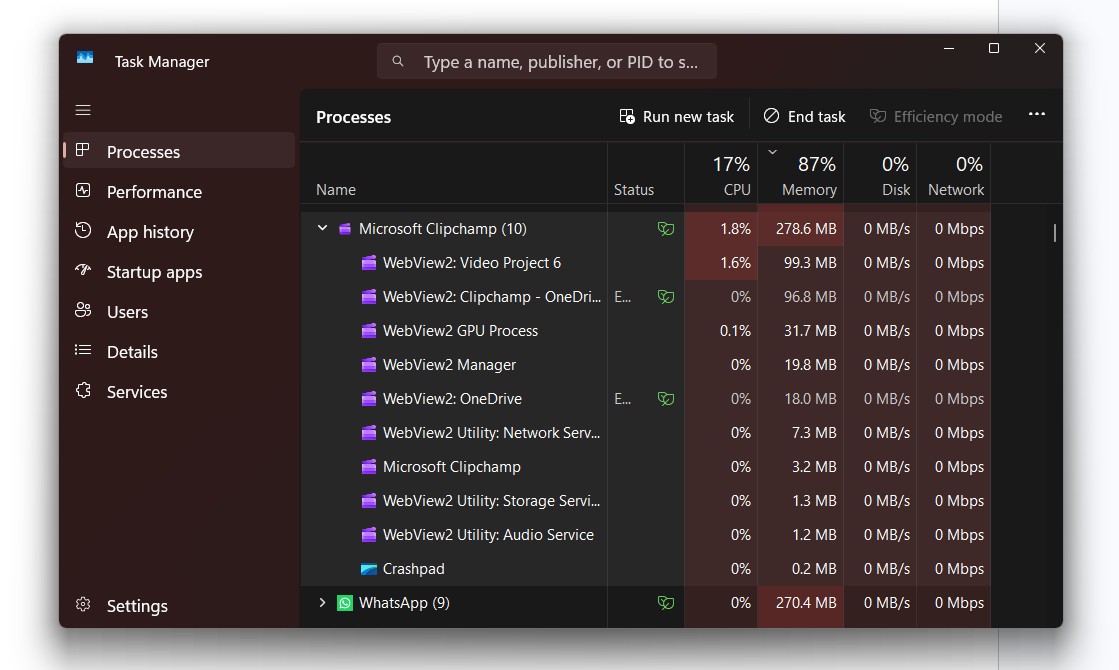
Currently, Microsoft is simultaneously promoting a number of related technical improvements, including optimizing the Windows memory manager, improving the memory compression mechanism, improving the efficiency of the WinUI 3 framework, and improving the resource usage performance of WebView2 and related components. These adjustments are expected to be gradually implemented in future versions of Windows 11.
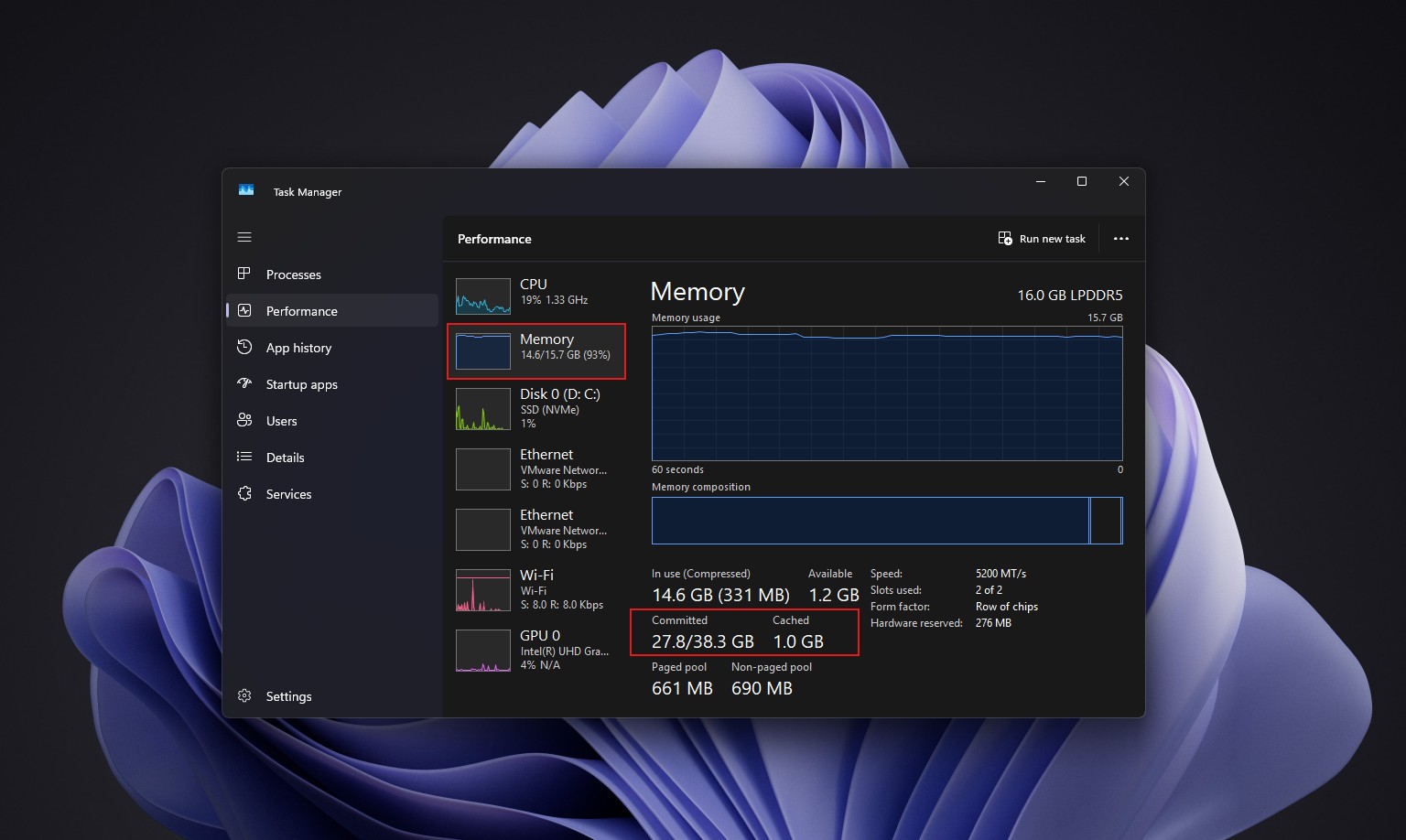
For users who are still using 8GB memory computers, this plan is regarded as one of the most important Windows performance optimization projects in recent years. Microsoft hopes to extend the service life of low- and medium-configuration PCs as much as possible through continued downsizing at the system level, against the background of rising hardware costs, and maintain the overall response speed and smooth experience of Windows 11.
Comments