
Abstract:
Artificial intelligence was originally regarded as an important engine to promote the growth of the personal computer market, but the latest data shows a completely opposite situation. In the third quarter of 2026, global PC shipments fell by approximately 20% year-on-year, recording one of the worst annual declines since the first quarter of 2023. At the same time, the huge demand for memory and storage chips in artificial intelligence data centers has pushed up the cost of computer manufacturing, and the artificial intelligence features of Windows 11 that Microsoft has promoted have not yet fully proven themselves to be a strong reason for consumers to upgrade their devices.
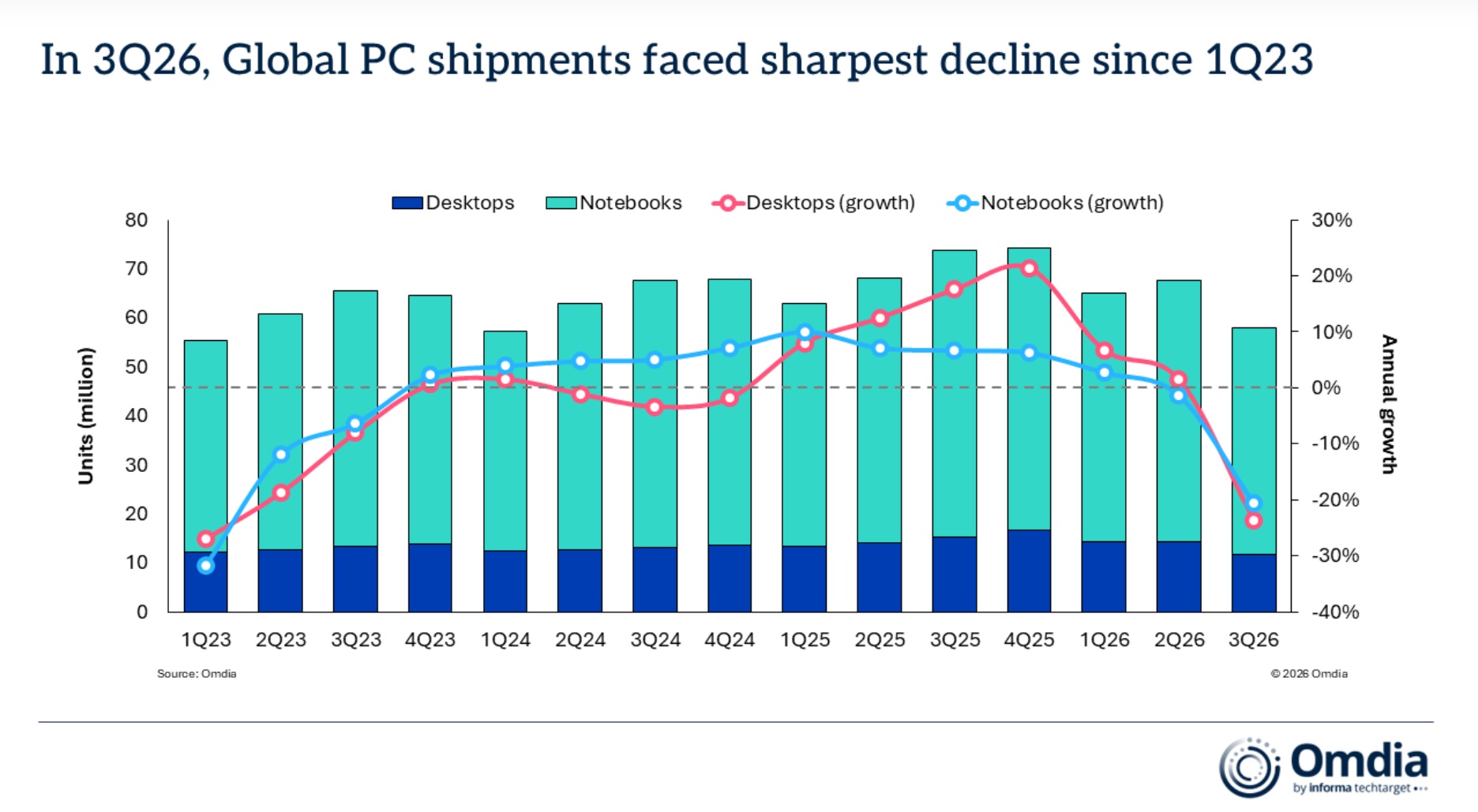
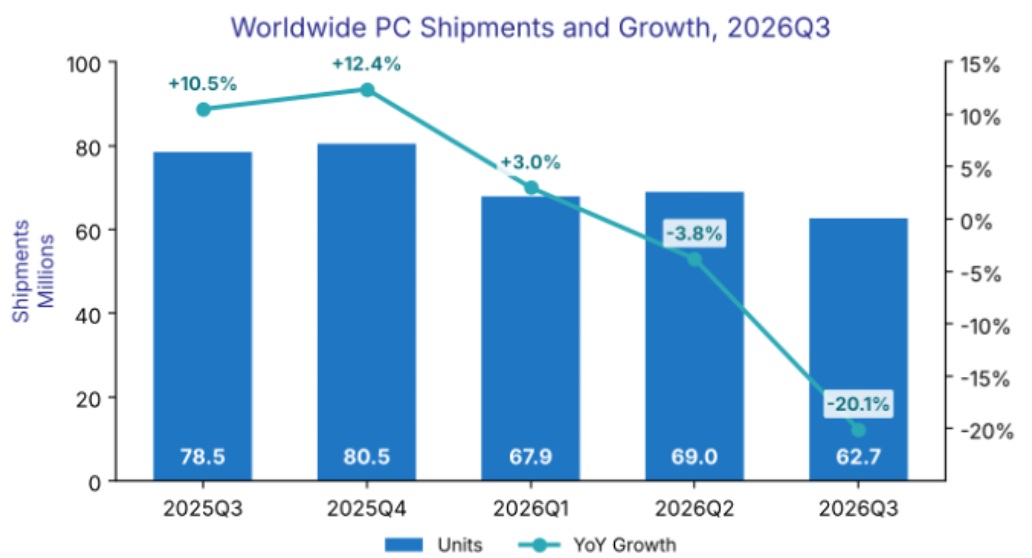
Data released by market research organization Omdia and International Data Corporation (IDC) both show that the global PC industry is experiencing a significant decline in demand. Omdia estimates that global shipments of desktops, laptops, and workstations in the third quarter of 2026 totaled 58.1 million units, a year-on-year decrease of 21.2%; IDC statistics show that shipments during the same period were 62.7 million units, a year-on-year decrease of 20.1%. The statistical caliber and specific figures of the two organizations are different, but they all point to the same conclusion: the global PC market suffered one of the most serious declines in recent years in the third quarter.
What is even more noteworthy is that this decline is not only reflected in year-on-year data, but also breaks the traditional seasonal pattern. The third quarter is usually driven by factors such as the back-to-school season, corporate purchasing, and pre-stocking for the year-end shopping season, and shipments tend to be higher than those in the second quarter. However, IDC data shows that global PC shipments fell by 9.1% in the third quarter of 2026 compared with the second quarter, indicating that the degree of weak market demand goes beyond usual seasonal fluctuations.
An important reason for this situation is that PC manufacturers and channel dealers accumulated inventory in advance in the first half of 2026. As the price of memory and storage chips is generally expected to continue to rise in the industry, manufacturers, distributors and some corporate customers choose to purchase in advance, hoping to lock in supply before costs rise further. This centralized procurement once supported market shipments, but it also overdrawn subsequent demand.
As the impact of advance stocking gradually subsided, the market began to come under pressure from both inventory and demand in the third quarter. Distributors have accumulated a large amount of equipment in their hands, but consumers' willingness to purchase has significantly weakened in the face of rising selling prices. As a result, manufacturers had to readjust production and procurement plans, resulting in a sharp decline in shipments.
The rise in memory prices is one of the core factors in this round of market turmoil. With the rapid expansion of the artificial intelligence industry, large technology companies continue to build data centers to meet the needs of training and running large AI models. These data centers require large amounts of DRAM memory, high-bandwidth memory, and high-speed storage equipment, causing the semiconductor industry's production capacity and supply resources to increasingly flow to artificial intelligence infrastructure.
This increase in demand does not only affect high-end chips dedicated to AI servers. As memory manufacturers adjust their production structures, the supply of DRAM and solid-state drives required for ordinary computers is also squeezed, and consumer PC manufacturers have to face higher procurement costs.
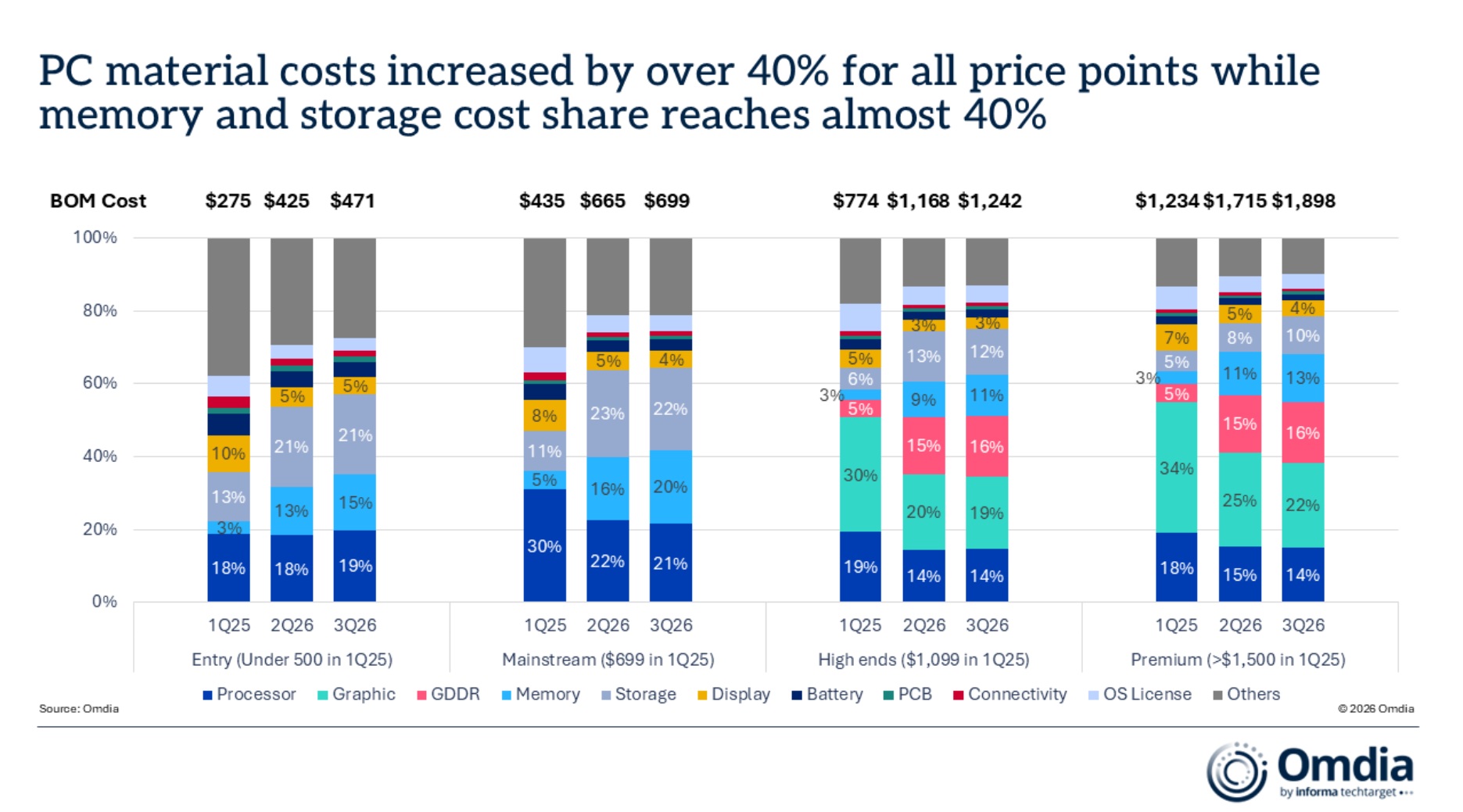
Omdia analysts pointed out that DRAM and solid-state drives now account for nearly 40% of the material cost of a PC, compared with about 15% before. This means that memory and storage components, which used to be relatively easy to control in the cost of the entire machine, have now become important factors in determining the selling price of a computer.
The cost cases provided by Omdia are more intuitive. A mainstream laptop priced at US$699 in the first quarter of 2025 had an internal component cost of approximately US$435. By the third quarter of 2026, the cost of components for similar configurations had reached US$699, almost equivalent to the entire previous retail price of this laptop.
This does not mean that the actual manufacturing costs of all computers have increased at exactly the same rate, but it is enough to illustrate how much impact changes in memory and storage prices have had on the PC industry. When the cost of core components approaches or even exceeds the selling price of the original product, manufacturers can only respond by increasing selling prices, adjusting configurations, or compressing profit margins.
This round of price increases is also changing the competitive landscape among PC manufacturers. According to Omdia data, HP's third-quarter shipments fell by about 31%, making it one of the hardest-hit companies among major manufacturers. Apple's Mac computer shipments also fell, but the decline was about 11.3%, which was relatively mild. Since Apple has been positioned in the mid-to-high-end market for a long time, consumers are relatively more accepting of its product prices. Therefore, when costs rise, it may be less impacted than manufacturers that rely more on the mass consumer market.
However, Apple’s situation also shows that brand positioning and strong pricing power can only alleviate the impact, but cannot completely offset the decline in market demand. Even Apple's third-quarter shipments couldn't avoid a year-on-year decline.
Facing the increasingly severe market environment, Microsoft is working hard to improve the actual use experience of Windows 11. Windows 11 has been criticized by users in the past few years due to system update issues, resource usage, and the performance of basic functions such as file managers. Microsoft has previously promised to focus more on repairing the basic system experience rather than blindly adding new features.
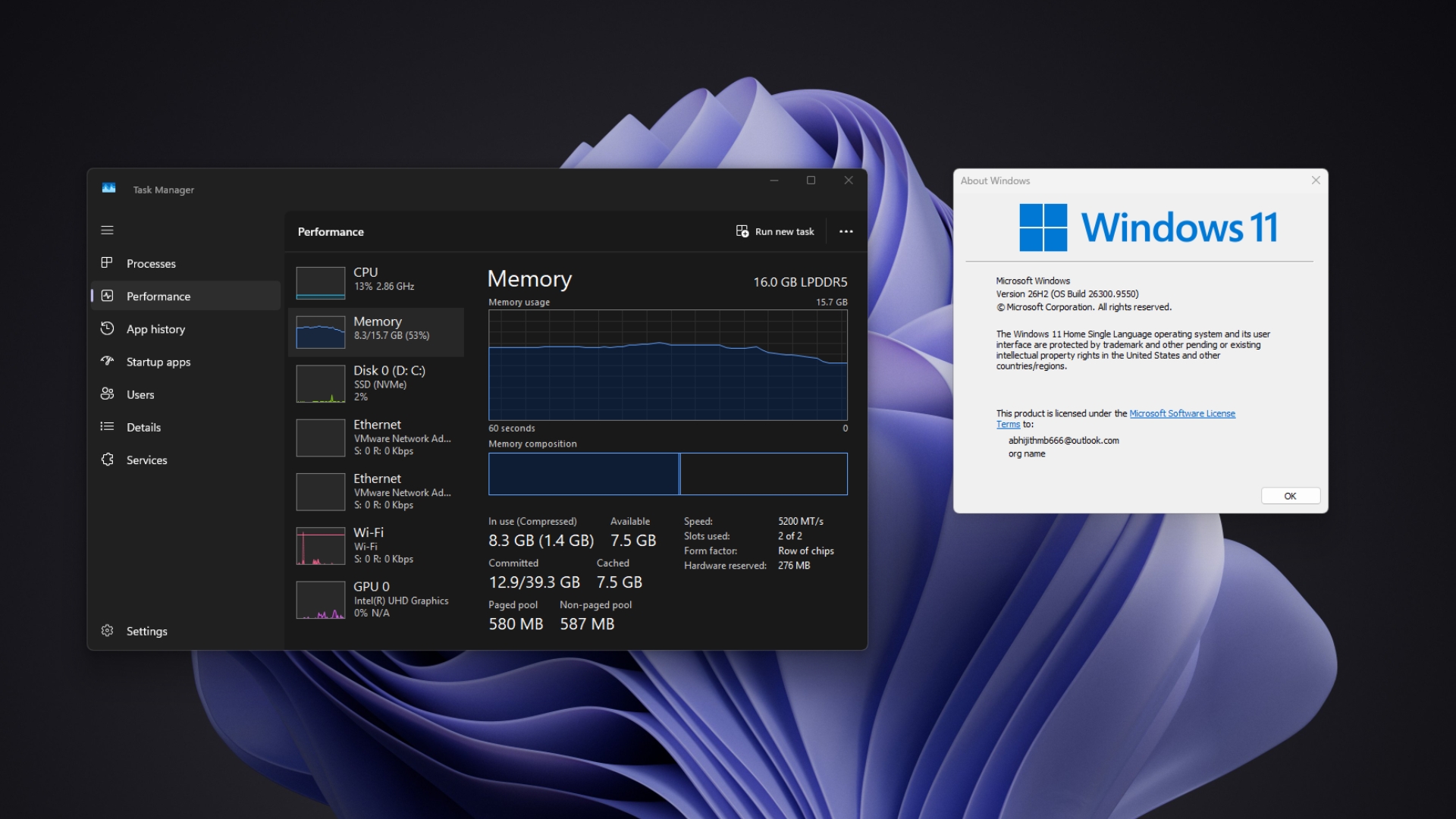
In its test, after installing Windows 11 26H2 on a three-year-old laptop equipped with 16GB of memory, the memory usage in the restart state was reduced by up to about 2GB, and the application startup speed was also improved. Previous updates released by Microsoft also improved system shutdown and File Explorer responsiveness, and the September update allows users to reduce the interference of web content in search results.
These changes show that Microsoft is trying to make Windows 11 more lightweight and responsive and improve the basic experience that users have long complained about. For consumers unwilling to replace hardware frequently, operating system performance improvements make practical sense: If their existing computers can run more smoothly, users may delay buying new devices.
Microsoft also plans to further optimize Windows 11 before the end of 2026 so that it can better run on computers with only 8GB of memory. Pawan Davululi, head of Windows business, previously mentioned that rising memory prices are one of the reasons why Microsoft is considering improving the experience of low-memory devices.
This plan is particularly important because when memory prices are high, PC manufacturers may re-launch more entry-level laptops with 8GB memory configurations to control the selling price of the whole machine. If Windows 11 can reduce its own resource usage, the usefulness of these low-cost devices may be improved.
But this goal still faces challenges. The report mentioned that some users using computers with 8GB of memory still observed that the memory usage reached 96% after installing Windows 11 26H2. This shows that system optimization may differ under different devices and usage scenarios, and Microsoft’s improvements may not have been fully implemented. Even if the operating system can reduce resource usage, it cannot fundamentally solve the problem of tight DRAM supply and rising prices.
What is even more ironic is that while Microsoft is improving the basic experience of Windows, it is still vigorously promoting artificial intelligence as the core selling point of the next generation of PCs. On October 7, 2026, Microsoft held its first large-scale Windows theme event in two years, focusing on demonstrating artificial intelligence and agent functions, trying to prove that Windows is not only a traditional desktop operating system, but also an intelligent platform that can understand tasks, call tools, and automatically perform operations.
The "hybrid intelligence" concept proposed by Microsoft hopes to allow Windows to distribute artificial intelligence computing work between local devices and the cloud based on specific tasks. For tasks that are suitable for local processing, the system can call the computer's own computing resources; for tasks that require more powerful models or more computing power, they can be completed by the cloud.
Theoretically, this approach is reasonable. Allowing more AI tasks to be completed directly on PCs can reduce dependence on data centers, reduce some cloud computing requirements, and may also improve response speed and privacy control. However, local AI does not come without costs. To run larger models on a PC, the device typically requires a stronger processor, graphics processor, and more memory. This means that Microsoft hopes to reduce its reliance on cloud AI, but may further increase the demand for memory and high-performance hardware in the PC itself.
This contradiction is particularly evident in the high-end devices launched by Microsoft. The report pointed out that the Surface Laptop Ultra starts at US$2,599.99 and is equipped with 24GB of memory; Microsoft’s test to demonstrate AI performance used a 64GB memory version, priced at US$4,299.99. The price of the 128GB memory version is as high as $5899.99.
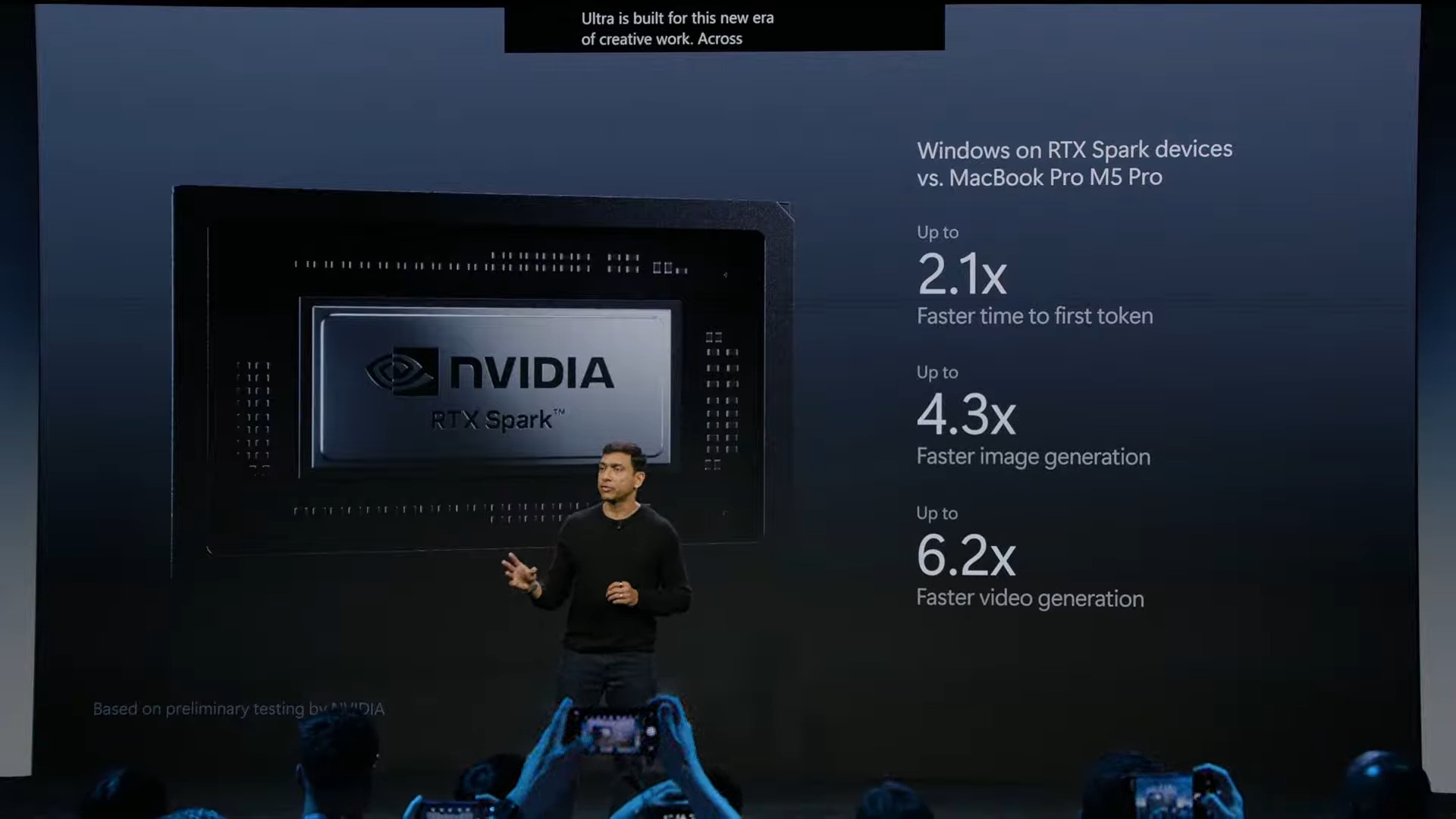
Microsoft also launched a $5,999 Surface RTX Spark development device with 128GB of memory. Although it has hardware specifically geared toward AI workloads, it's priced higher than even some high-end laptops and doesn't include a display, keyboard, or battery.
These products demonstrate the hardware capabilities required to run large AI models locally, but they also expose a problem: if AI capabilities require consumers to purchase expensive devices with large amounts of memory to fully function, then it is difficult to become a common driving force for mass market upgrades.
For ordinary users, what is really important is not whether the computer can run AI models with large parameters, but whether these functions can bring enough obvious benefits in daily use. For example, basic experiences such as file management, search, application startup, office software operation and system stability may have a more direct impact on whether users are willing to change computers than complex AI agents.
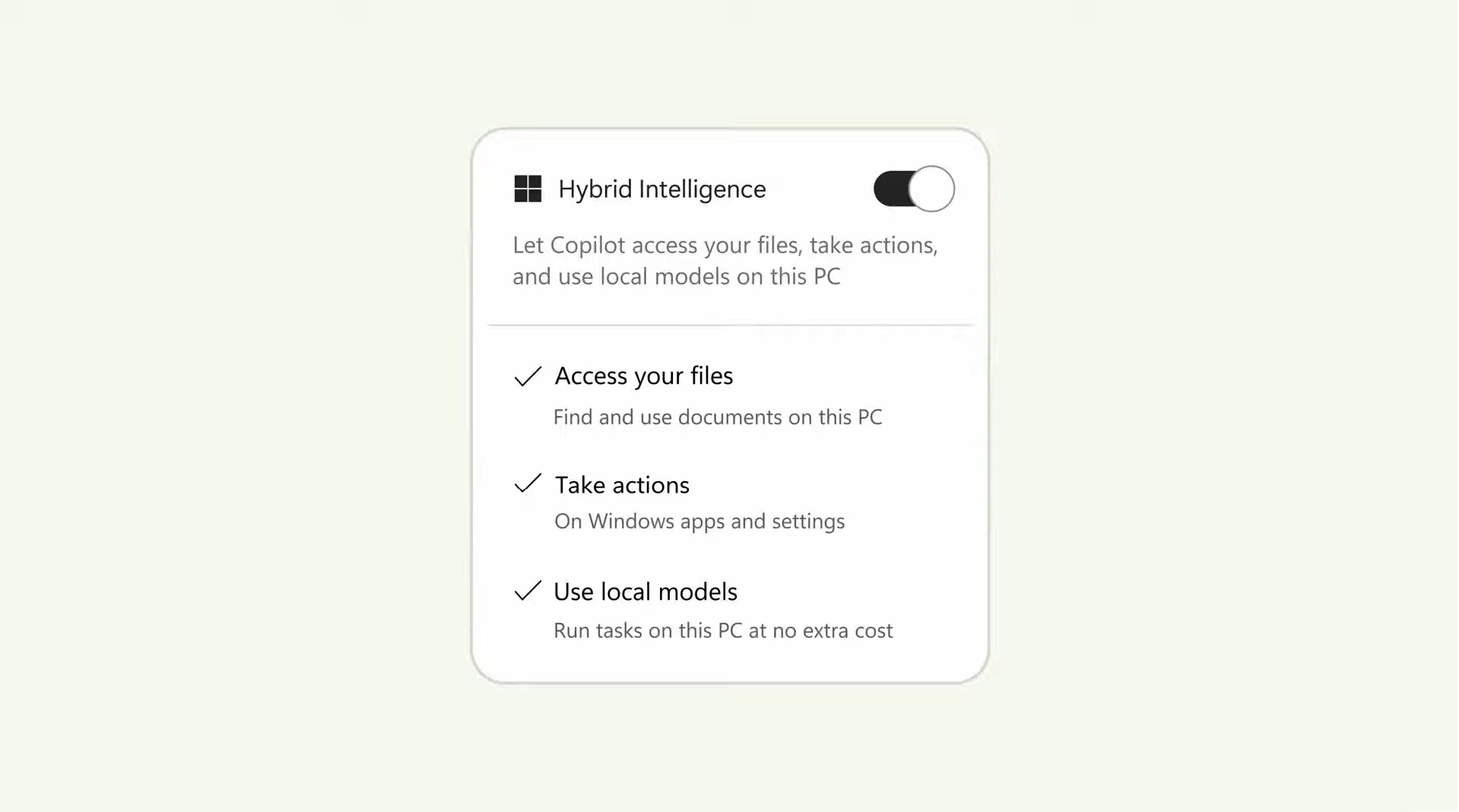
Microsoft hopes to establish new competitive advantages for Windows devices through Copilot and intelligent agent functions. But so far, many consumers haven't seen a clear enough justification to justify the high hardware costs. Even if AI can help users complete some automated tasks, it does not mean that users are willing to pay significantly higher device prices for these functions.
Apple is also facing a similar dilemma. Apple is promoting artificial intelligence features such as Apple Intelligence, but Mac computer shipments also declined in the third quarter. This shows that simply adding AI functions to products is not enough to ensure hardware sales growth. Both the Windows camp and Apple need to prove that artificial intelligence can solve problems that users really care about, rather than just providing a marketing concept for a new round of hardware upgrades.
PC manufacturers now face a dilemma. On the one hand, the rising prices of memory and storage force companies to increase selling prices or reduce the production of low-profit products; on the other hand, if consumers cannot obtain obvious value from AI functions, they may continue to use their old computers and reduce the frequency of replacement.
For manufacturers, selling more expensive high-end products can make up for the revenue loss caused by declining shipments to a certain extent, but this strategy also has obvious limitations. The higher the price, the fewer consumers can afford the upgrade cost, especially in the entry-level and mainstream markets, where users usually pay more attention to cost-effectiveness rather than whether the device has the latest AI features.
Omdia predicts that global PC shipments may fall by 24% year-on-year in the fourth quarter of 2026, and will further decline by 7% in 2027. If these predictions come true, the downturn in the PC market may not just be a short-term inventory adjustment, but will evolve into industry pressure that will last for a period of time.
Although channel vendors may launch promotions to clear inventory, IDC analysts pointed out that consumers should not expect computer prices to quickly return to the levels of a year ago. As long as memory and storage components remain expensive, it will be difficult for manufacturers to significantly reduce prices while maintaining profits. Even if there are discounts in the short term, it does not necessarily mean that the cost pressure on the entire industry has disappeared.
From a broader industry perspective, the current situation reveals the complex impact of the artificial intelligence boom on the consumer electronics industry. AI data centers have created huge market demands for semiconductor companies, but these demands are also competing for resources originally supplied to personal computers, smartphones and other consumer devices. The rapid expansion of artificial intelligence infrastructure will not necessarily drive the growth of all computing-related products simultaneously.
For the PC industry, artificial intelligence was originally expected to create a new wave of replacements. However, with memory prices rising sharply, system experience still needs to be improved, and the value of AI functions has not yet been fully demonstrated, this strategy is facing a reality test. Although Microsoft is optimizing Windows 11 and trying to build local AI and intelligence into platform advantages, whether these efforts can be translated into actual sales growth remains to be verified by the market.
Perhaps the most urgent task at present is not to continue to emphasize how many AI tasks computers can perform, but to allow users to buy devices with sufficient performance, stability and reliability that can meet their daily needs at a reasonable price. When basic experience and cost-effectiveness become the core of product competition again, AI will be more likely to become a truly valuable additional feature, rather than another factor that drives up costs and weakens purchase intention.
Comments