
Abstract:
If future handheld devices have built-in cellular network hardware and support eSIM, they may be able to directly connect to mobile networks when going out, eliminating the need to turn on mobile phone hotspots. An analysis article by Tech4Gamers proposed this design idea, while emphasizing that the cloud gaming experience still depends on the actual network quality.
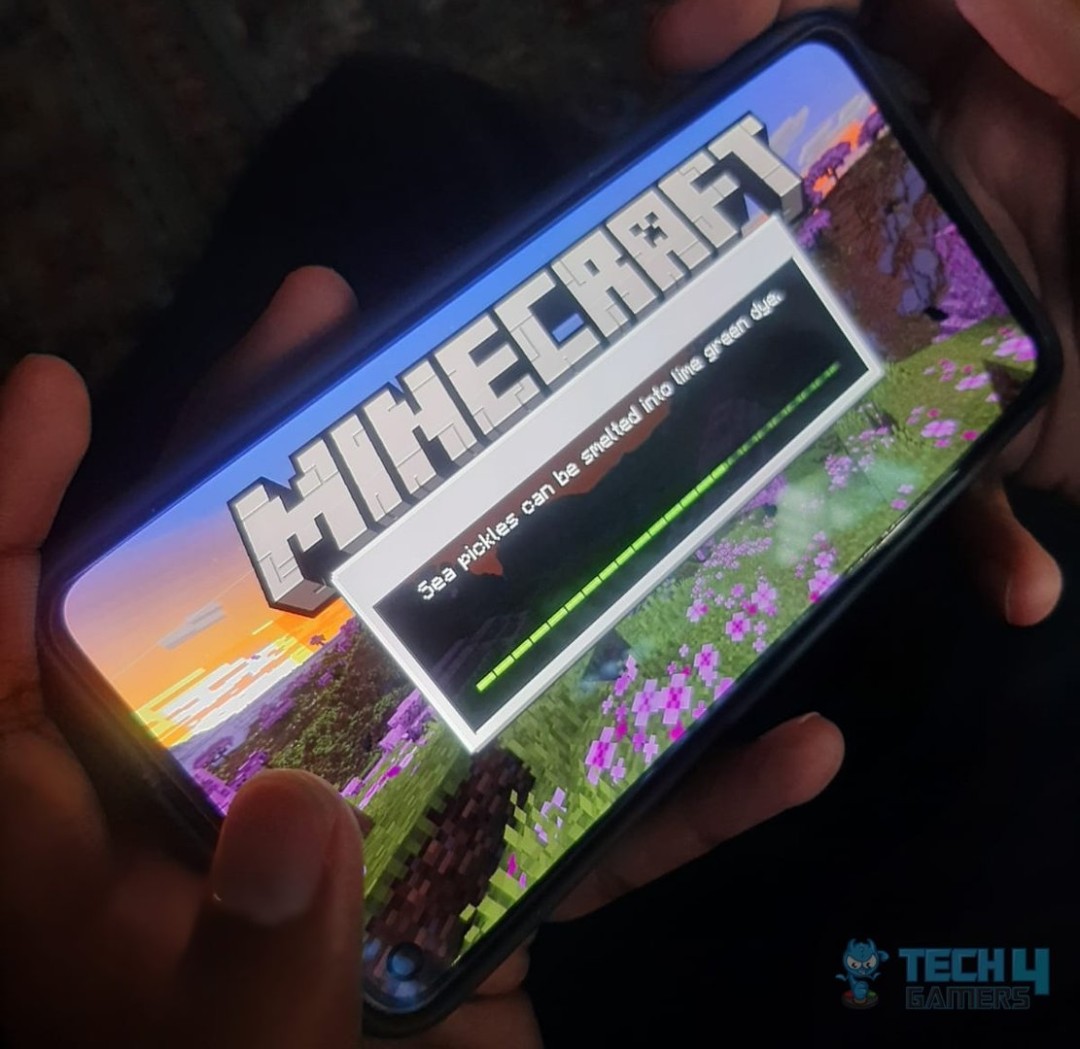
The article believes that the development of handheld performance and cloud gaming services allows players to access more games when out and about, but unstable public Wi-Fi and cumbersome use of mobile hotspots may still affect multiplayer games, cloud games, remote play, as well as updates and archive synchronization. eSIM-enabled handheld devices can be connected to the Internet through compatible data plans, eliminating the need to insert a physical SIM card or rely on a mobile phone to share the network.
However, eSIM alone will not make the network faster or more stable. Signal coverage, network congestion, plan and device hardware still determine connection quality. Switching base stations while the train is moving or passing through weak signal areas may cause delays, reduced image quality or even interruptions. Competitive games are especially susceptible to this effect.
Joining a cellular network will also increase the hardware cost and power consumption of the handheld device. Cloud games continue to transmit audio and video, as well as download large updates, which may also consume a lot of data. The article mentioned Steam Deck and ASUS ROG Ally to illustrate the usage scenarios of existing handheld devices, not to say that these devices have announced support for eSIM.
Comments