
Abstract:
Modular computer manufacturer Framework announced that the new Framework Desktop equipped with AMD's latest Ryzen AI Max+ Pro 495 processor will be officially open for pre-order this week. The biggest highlight of this small desktop computer is that it is equipped with up to 192GB of unified memory, making it one of the most radical consumer systems for local artificial intelligence applications on the market.
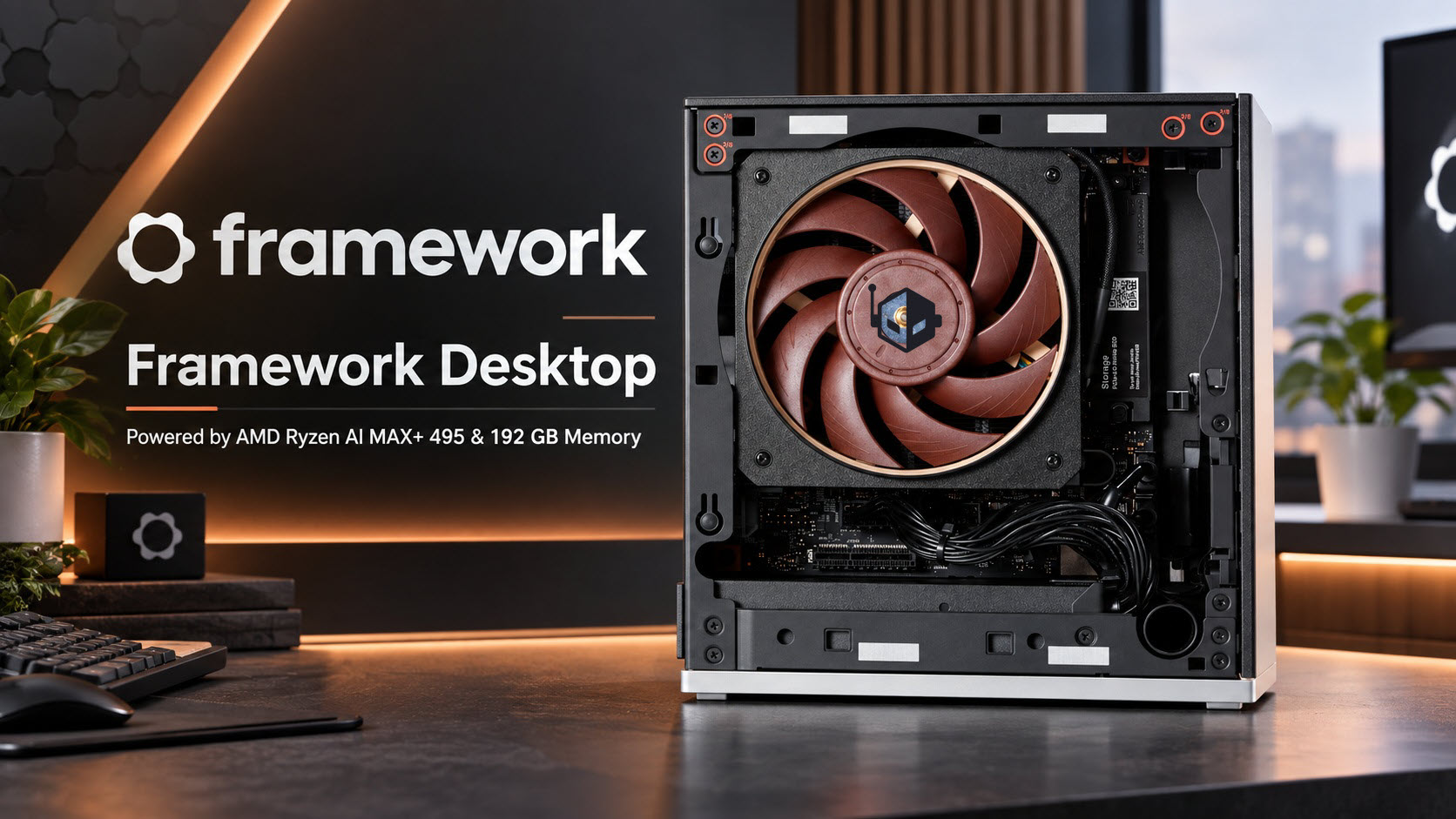
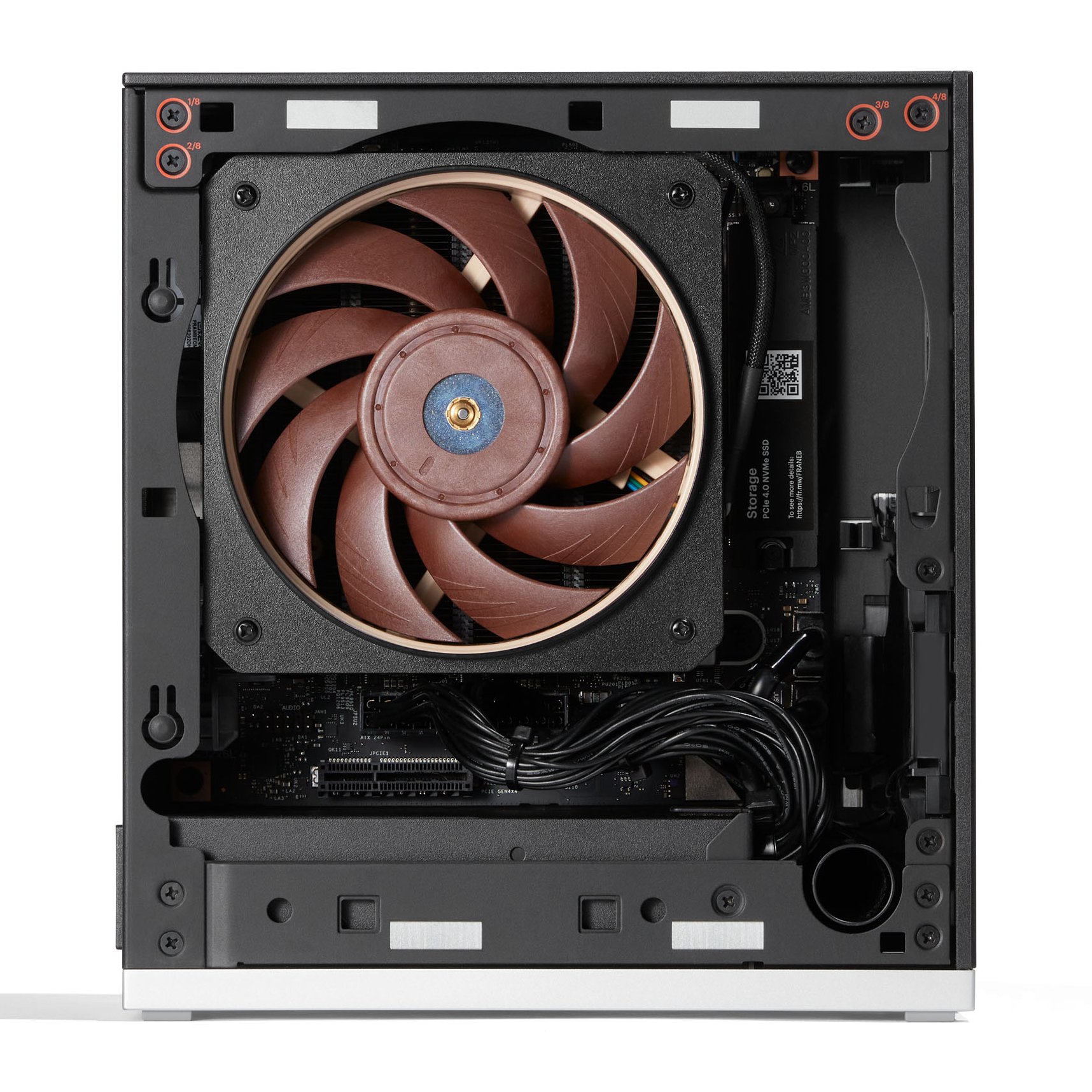
According to information released by Framework, the new version of Framework Desktop will be available for pre-order this Wednesday, Pacific Time in the United States. The new machine continues the previously released 4.5-liter small chassis design, but the internal core configuration has been significantly upgraded.
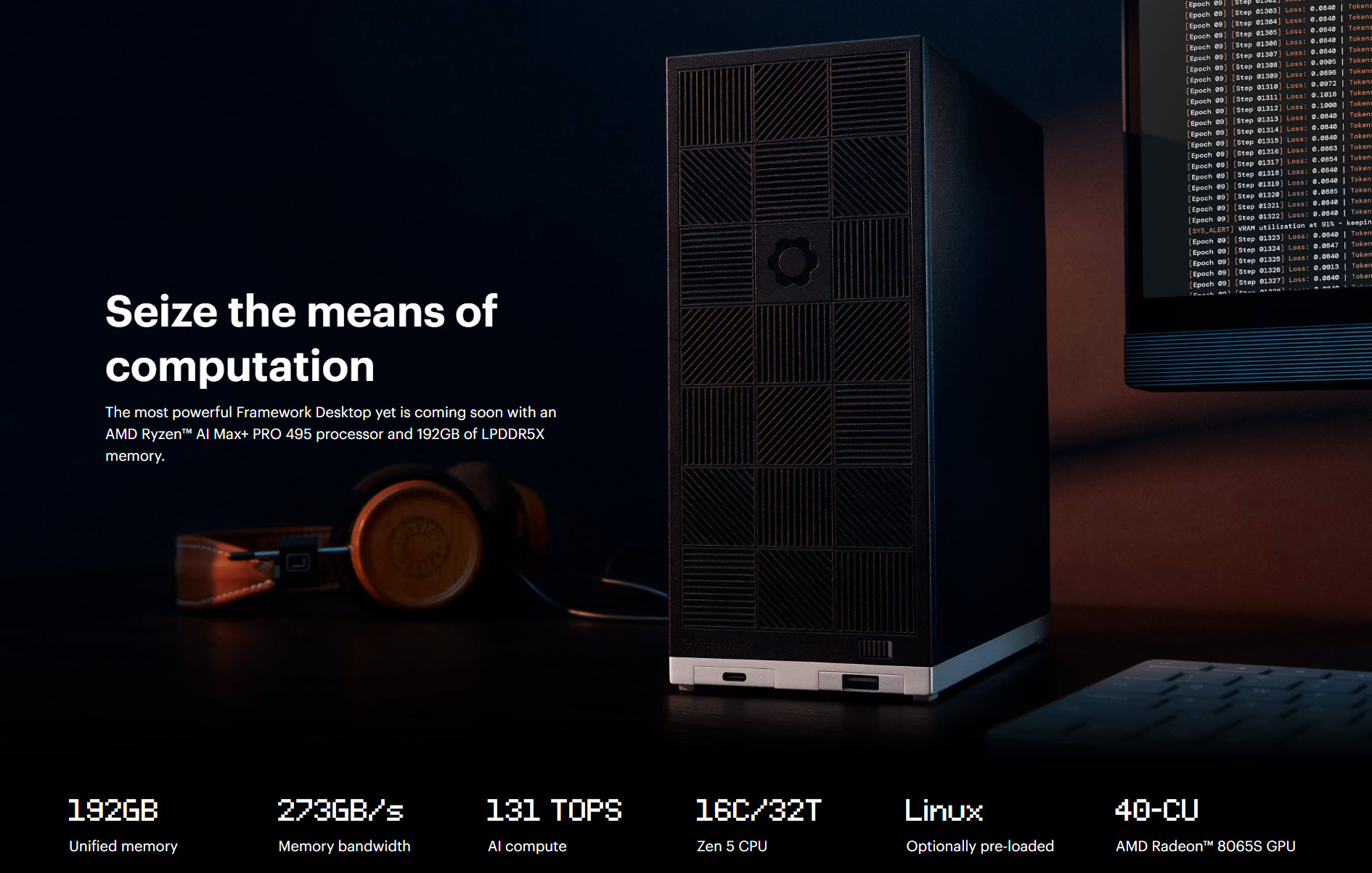
As the core of the entire machine, the AMD Ryzen AI Max+ Pro 495 processor uses a 16 Zen 5 core design with a maximum acceleration frequency of 5.2GHz. Compared with the previously used Ryzen AI Max+ Pro 395, the new model has improved in frequency and overall performance.
The graphics part has also been upgraded. The new processor is equipped with Radeon 8065S integrated graphics card, with 40 sets of RDNA 3.5 computing units, and the graphics card frequency can reach up to 3.0GHz. This allows the system to maintain strong graphics and AI computing capabilities while maintaining a compact size.
However, what really attracts attention is its memory configuration.
The new Framework Desktop can be equipped with up to 192GB LPDDR5X unified memory, running at a speed of 8533MT/s, and the total memory bandwidth is increased to 273GB/s. Compared with the previous generation's maximum 128GB unified memory solution, the new system has a 50% increase in capacity and further growth in bandwidth.
Framework stated that this ultra-large capacity unified memory is particularly suitable for running large language models locally. According to official demonstration data, the system can run the Q8 quantized version of DeepSeek V4 Flash on a single device while still retaining additional memory for longer context windows.
Facing the current trend of more and more developers hoping to migrate AI inference tasks from the cloud to local, Framework obviously hopes to build this product into a work platform for young companies, developers and AI researchers.
In addition to processor and memory upgrades, Framework has also made adjustments to hardware expansion capabilities.
The new version changes the original PCIe x4 slot to an open design, which means that users can install longer expansion cards without being restricted by the tail structure of the slot. Although the bandwidth still maintains the PCIe x4 specification, the compatibility has been significantly improved.
In order to demonstrate the application scenarios of this design, Framework also demonstrated a dual-machine cluster solution. Through two 50GbE high-speed network cards, two 192GB configured Framework Desktops can form an AI cluster with a total memory capacity of 384GB, and use RDMA and tensor parallel technology to run larger models.
In terms of heat dissipation, Framework continues to use the pre-installed Noctua fan solution to ensure the continuous operation of high-performance processors in a compact chassis.
In terms of software support, the company also confirmed that it will provide a version with Fedora Linux system pre-installed. Users can either purchase a complete machine with a pre-installed Linux system or choose a Windows version to meet the needs of different development environments.
It is worth noting that this product is the official commercial version after Framework first demonstrated a prototype during AMD's "Advancing AI" event. At that time, the company attracted attention in the industry because the 192GB unified memory configuration was extremely rare among consumer platforms.
The official price has not yet been announced. However, it is generally expected in the industry that its price will be significantly higher than the existing Ryzen AI Max+ 395 version. Considering that the previous 128GB configuration products are already quite expensive, and the cost of 192GB LPDDR5X memory has further increased, the new model is likely to enter the high-end workstation market range.
Analysts believe that as more and more AI models can be run locally, the market is gradually forming a new demand: users no longer simply pursue independent graphics card performance, but begin to focus on unified memory capacity and local reasoning capabilities. The 192GB version launched by Framework is a product designed specifically for this trend.
For users who need to run large language models, conduct local AI development, or build personal AI workstations, this small desktop system with a volume of only 4.5 liters will undoubtedly become one of the most unique options on the market.
Comments