
Abstract:
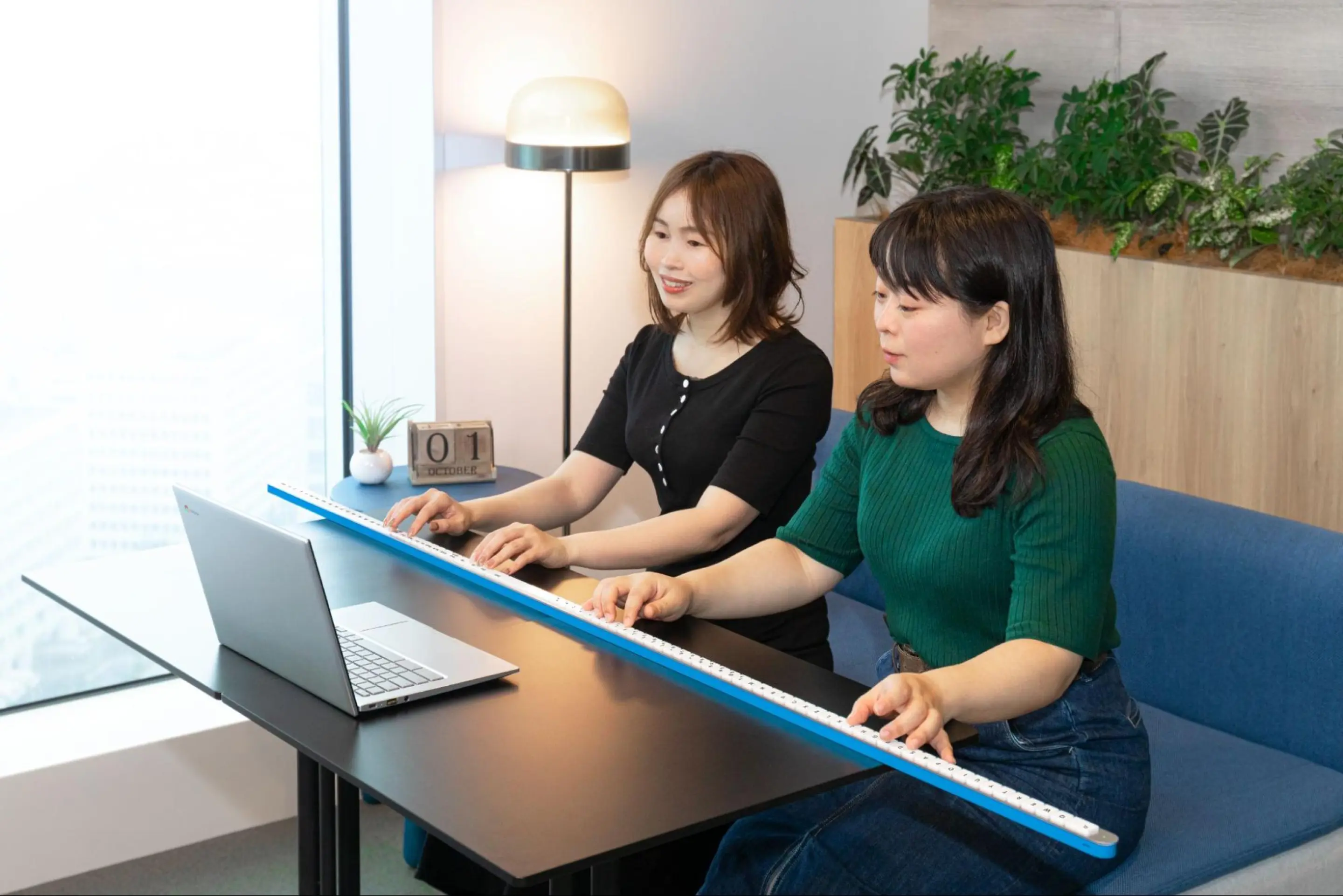
Google Japan once again shows off its always unconstrained hardware creativity. Following interesting works such as the giant single-key keyboard, teacup keyboard, Morse code keyboard and spoon keyboard, the Google Japan team recently released the latest version of the experimental Gboard device - "Gboard Conveyor Belt Version (Conveyor Belt Version of Gboard)", pushing the original virtual input method concept further to the extreme.
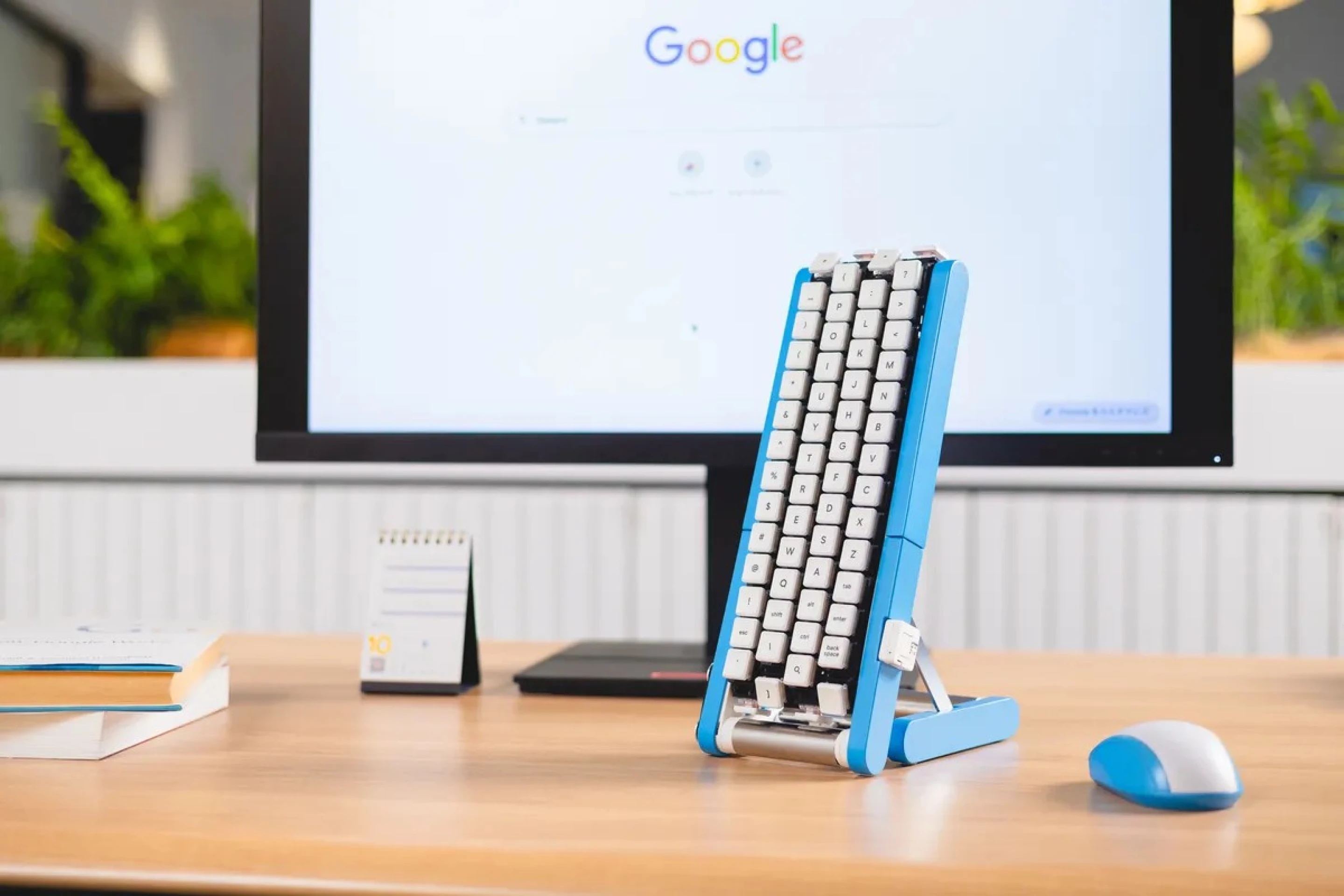
The biggest feature of this equipment is that it adopts a conveyor belt structure similar to a factory assembly line. The entire keyboard is designed as a long conveyor belt, and the character keys are arranged in sequence along the conveyor belt. Users need to wait for the required characters to move in front of them, just like picking items on the production line, and then press the corresponding keys to complete the input.
According to the idea of Google Japan team, this design allows all characters to have independent keys at the same time, instead of having to densely arrange a large number of characters in a limited space like traditional keyboards. After the character distribution is greatly expanded, each button has a larger size and looser spacing, which theoretically reduces the probability of accidental touches.
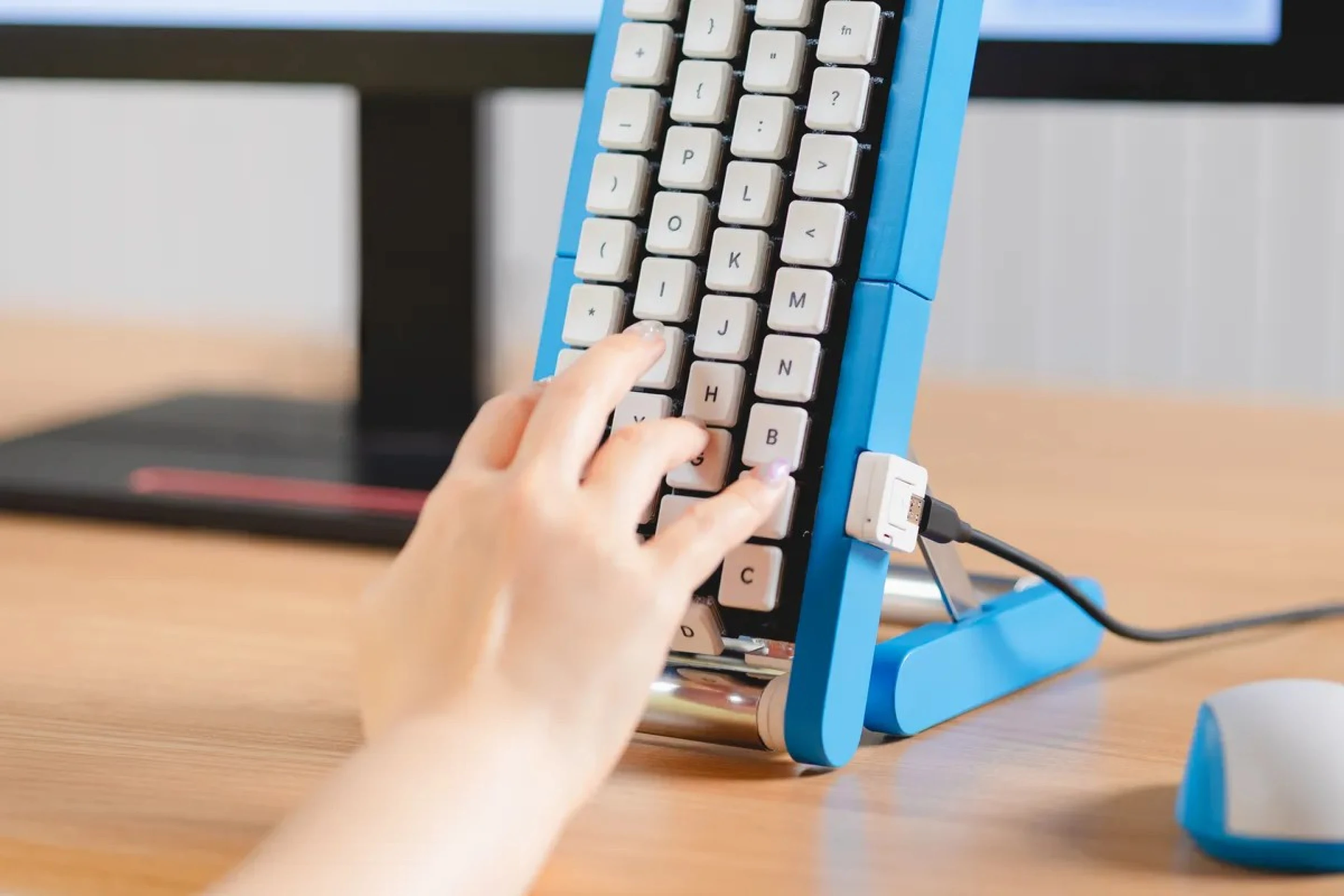
The team said that users can use the control device to move the conveyor belt forward or backward to find the characters that need to be input. When the target key moves to the designated area, the input operation can be performed. In order to adapt to different user needs, the system also allows the conveyor belt movement mode and input logic to be adjusted.
From the actual effect, this design is obviously difficult to compete with ordinary keyboards for input efficiency. Since characters need to be constantly moved and positioned, the time required to enter a simple sentence is much longer than that of a conventional mechanical keyboard or touch screen keyboard. However, Google Japan does not position it as a commercial product, but rather as a creative project that is both engineering experiment and entertainment.
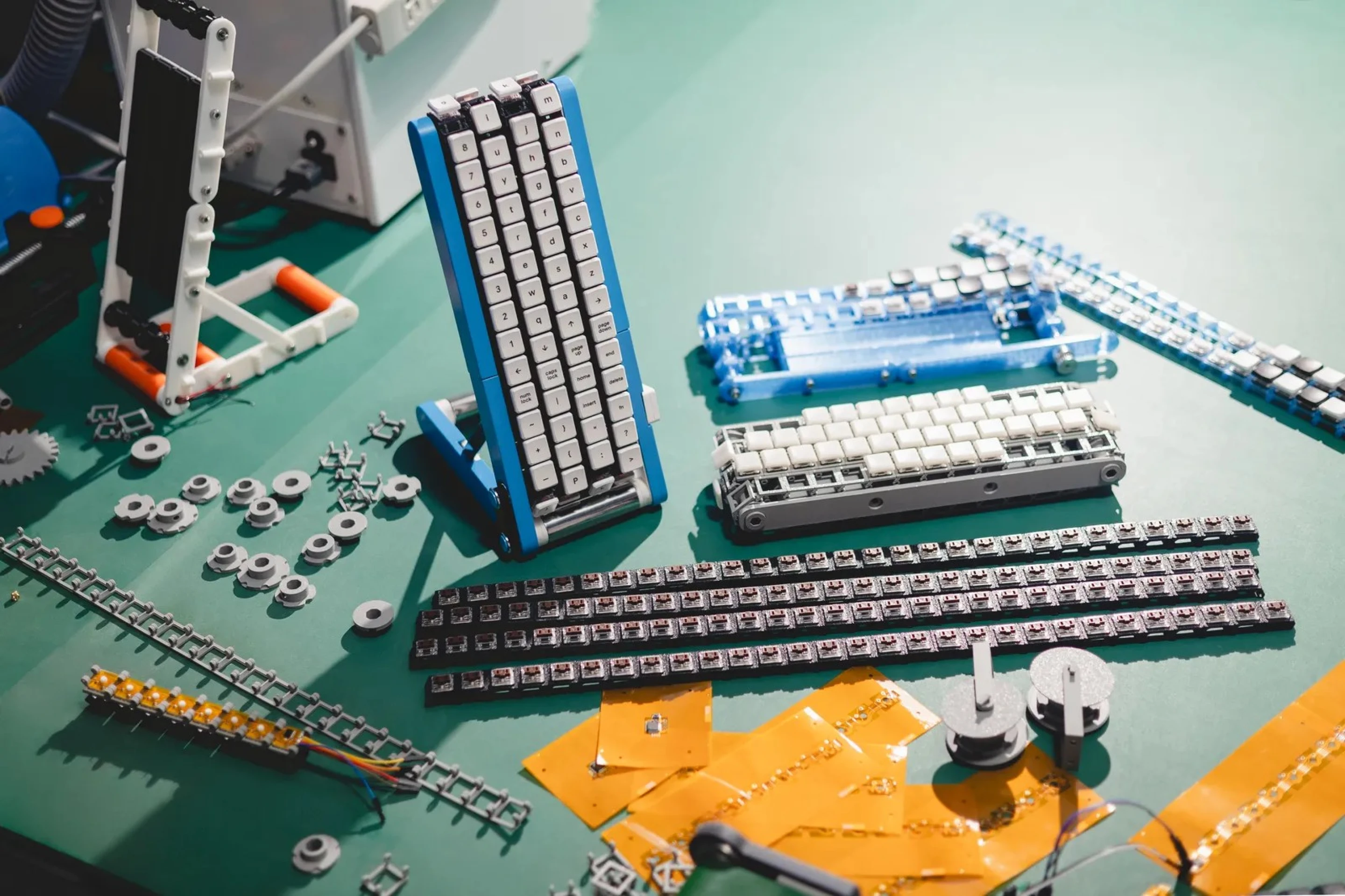
Like many previous strange Gboard hardware, the purpose of the conveyor belt version of the keyboard is more to explore the possibilities of human-computer interaction, while showing the creativity and sense of humor of the engineering team. Although these devices may seem absurd, they often have complete design documentation, working prototypes, and open source production materials.
Google Japan has become a well-known "alternative keyboard laboratory" in the technology industry in recent years. The previously launched giant single-key Gboard allows users to input text through different strengths and directions; the spoon keyboard combines the input device with tableware; the Morse code keyboard uses telegraph-style input for text entry; and the teacup keyboard enables character selection by placing and rotating cups.
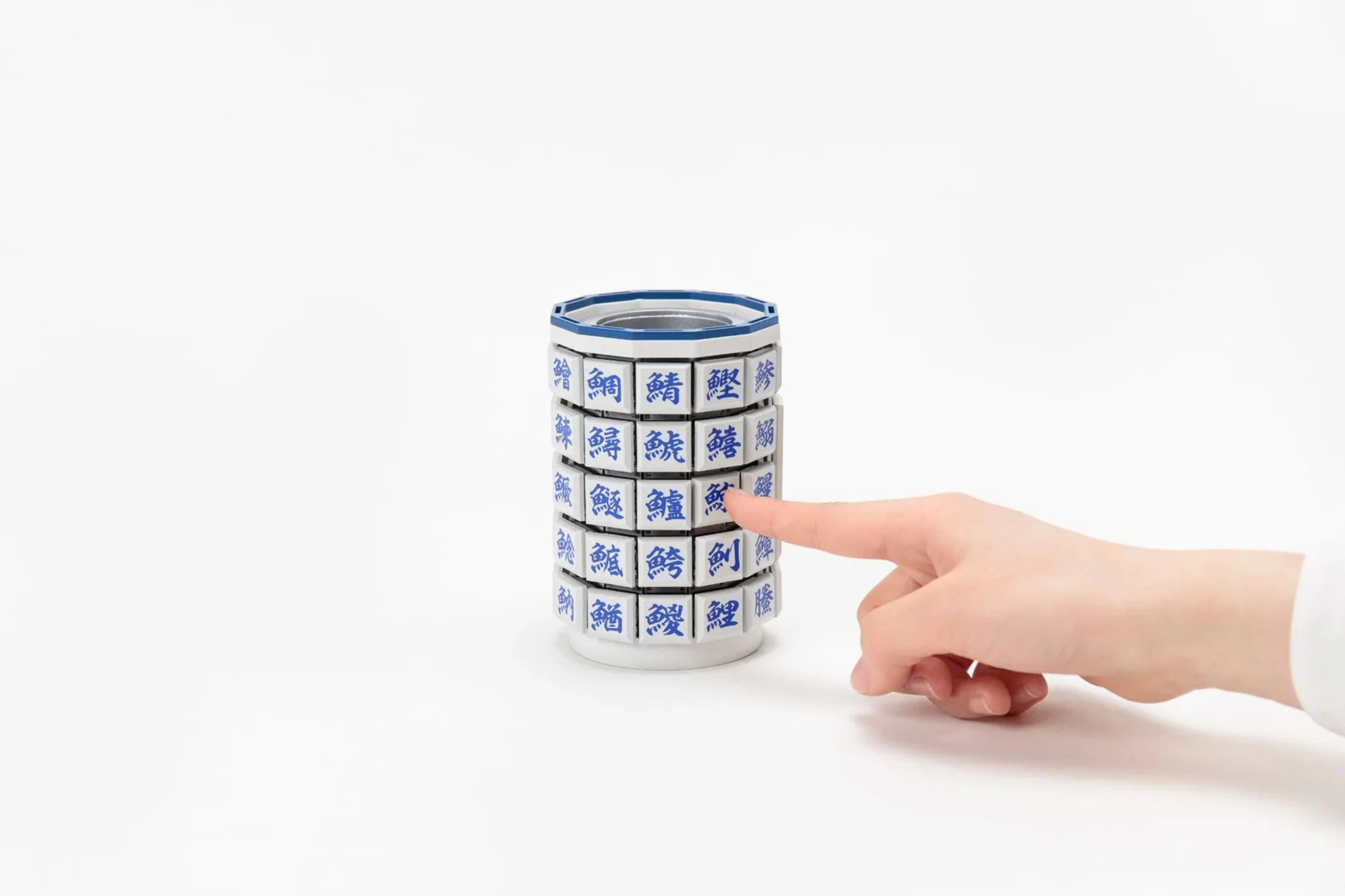
The newly released conveyor belt version of Gboard continues this tradition and introduces the concept of industrial production lines into the field of input devices. Although it has almost no actual commercial application value, its exaggerated and complete implementation once again reflects the Google Japan team's unique understanding of interaction design.
Industry insiders believe that these seemingly joke projects actually demonstrate the important value of innovative research and development. By deliberately pushing the boundaries of traditional design, developers can rethink the input methods that people are accustomed to and gain new design inspiration. For Google Japan, the Gboard series has long been more than just an input method product, and has gradually evolved into an experimental stage to showcase technological creativity.
Comments