
Abstract:
Google is accelerating the introduction of generative artificial intelligence technology into the news ecosystem. According to the latest information released, the Google News AI pilot program has added a new group of media partners, bringing the total number of publishing organizations participating in the project to more than 400, covering many countries and regions around the world. At the same time, it has attracted local news media in the United States to join on a large scale for the first time.
The project will be launched as early as December 2025. Google will use its news content to test new AI functions in Google News by obtaining authorization from cooperative media. When the project was launched, participating organizations included internationally renowned media such as The Guardian, The Nation, The Times of India and The Washington Post. Today, new partners include CNN, Financial Times, Axios, Forbes and other media organizations.
In this round of expansion, Google has specifically extended its cooperation to the local news field in the United States. New partners include the Post and Courier in Charleston, South Carolina, Oil City News in Casper, Wyoming, Shaw Media newspaper group across Illinois and Iowa, and the non-profit news organization The Texas Tribune.
Google spokesperson Brianna Puccini Duff said that the way people obtain information is constantly changing, and the company wants to ensure that media organizations of all sizes can adapt to this change, including local newsrooms. She pointed out that Google hopes to help these institutions find new development paths in the era of artificial intelligence.
As for the details of licensing cooperation that are of concern to the outside world, Google has not disclosed specific terms. However, the company made it clear that the News AI pilot program does not use a so-called "pay-for-value" model. In other words, media outlets will not be compensated differently depending on the extent to which their content contributes to AI-generated results. Google emphasized that this model is different from another content licensing project for AI Overviews, AI Mode, and Gemini products, which reportedly uses a compensation mechanism related to the value of the content.
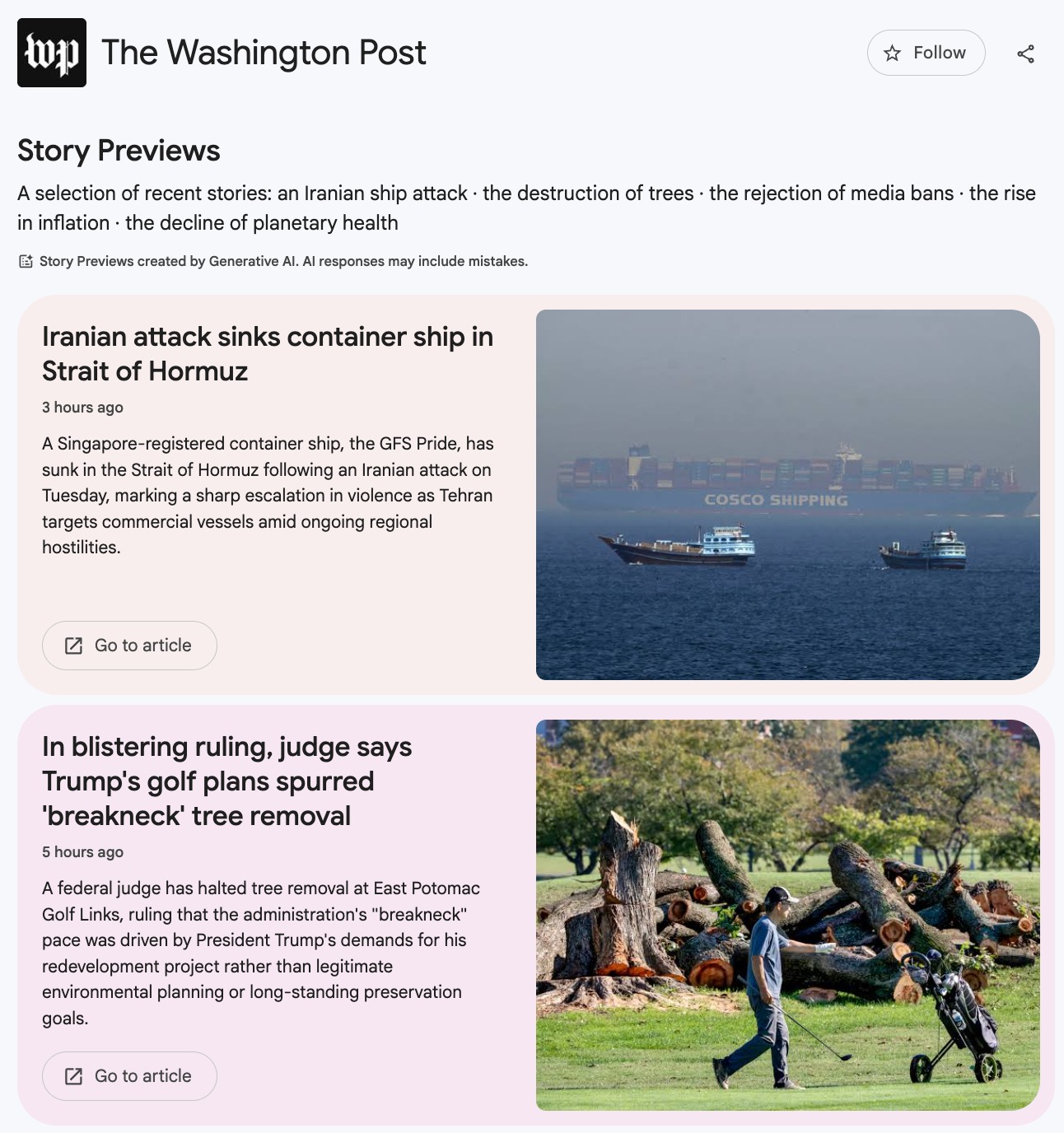
In the News AI pilot program, publishers are paid to license content for use in experimental AI features being tested by Google. One of the features is called "Story Preview", which can automatically generate a more detailed AI summary based on recent news published by the media and display it on the Google News page of the relevant media. Google will also mark the content as generated by artificial intelligence and alert users that there may be errors.
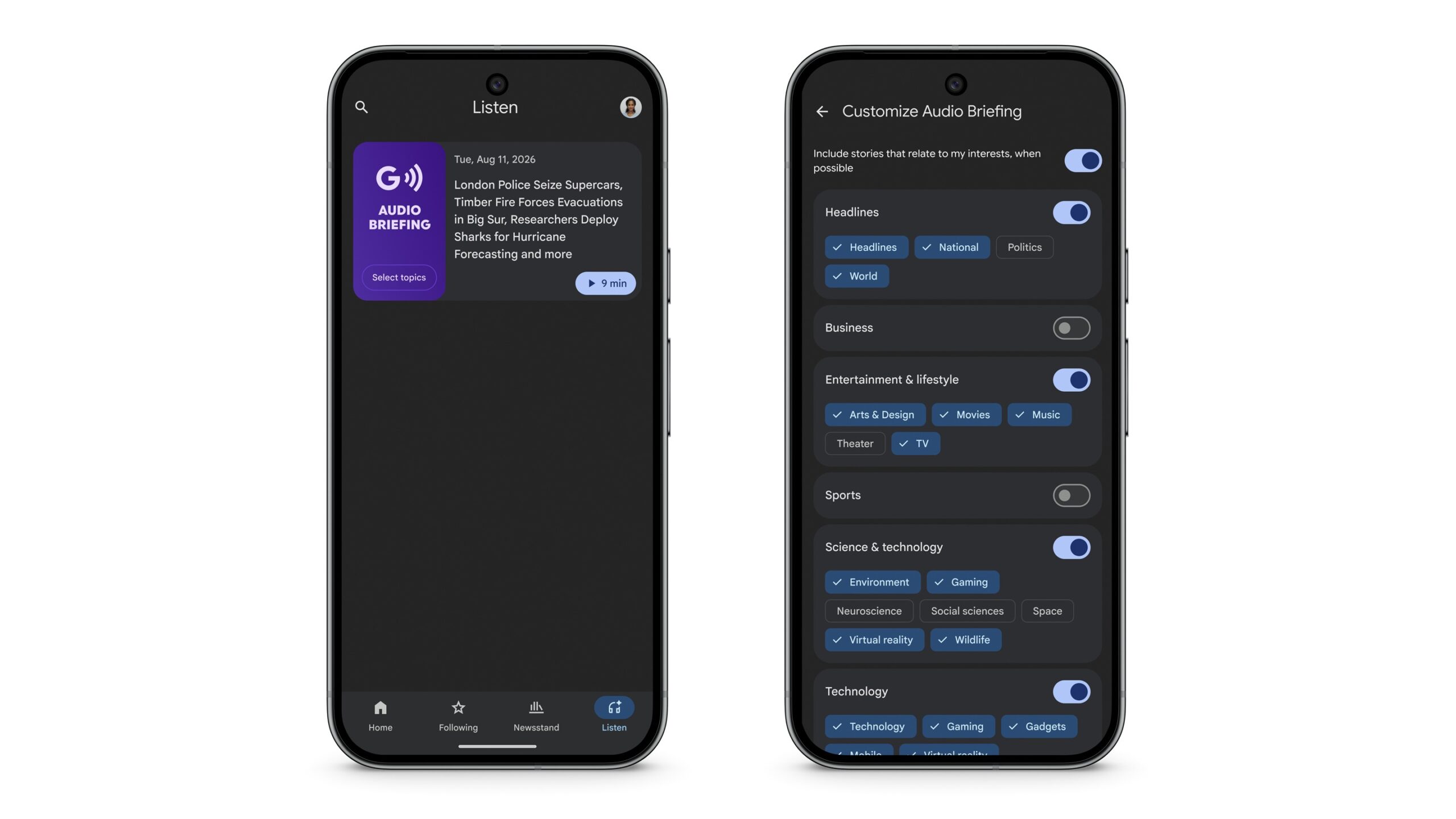
Another test feature is Audio Briefing. This feature automatically integrates important daily news into listenable content in the form of AI-generated podcasts. Users can choose areas of focus based on their own interests, such as international news, games or sports news, etc. The audio content is also accompanied by citation sources, allowing users to directly access the original text of relevant reports.
As the number of cooperative media exceeds 400, Google is further expanding the scope of its news AI experiments. This move not only means that more news content will be used to train and verify news AI functions, but also shows that large technology companies are trying to establish closer ties between artificial intelligence products and the traditional news and publishing industry through licensing cooperation models.
Comments