
Abstract:
Google announced multiple updates to the AI search function, focusing on improving the visibility of web links in AI-generated answers, making it easier for users to access original content websites. The move is seen as the company's latest response to publishers and content creators' traffic concerns amid the rapid popularity of artificial intelligence search.
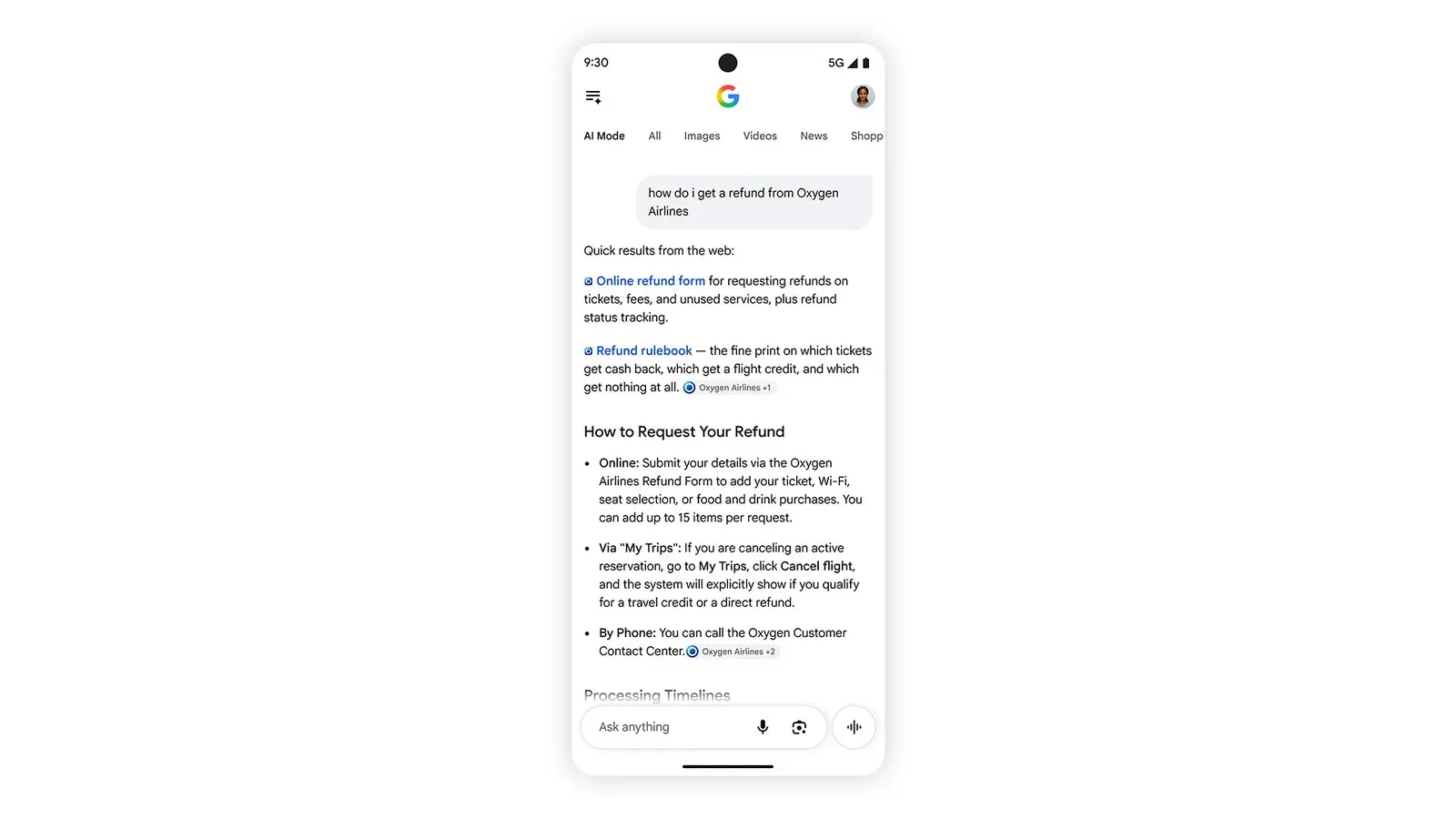
According to information released by Google, the two major AI search products, AI Overviews and AI Mode, will increase the display frequency of inline links and place these links higher in the answer content. The so-called inline links refer to clickable phrases or phrases that are directly embedded in the AI answer text. Google said this adjustment is designed to make it easier for users to access relevant sources of information when reading answers without having to search for sources.
In addition to increasing the visibility of inline links, Google will also test new display methods for some search scenarios. When a user needs to go to an official website, handle a specific business, or obtain authoritative information, the system will set up a dedicated link area at the top of the AI answer, along with explanatory text to explain why the website is recommended and its purpose, thereby helping users find the required page faster.
In terms of news content, Google is expanding the news carousel component launched earlier this year to more countries and language markets. For time-sensitive news reports, AI search results will display related articles in a more eye-catching carousel format. At the same time, users’ pre-set “preferred source” media will also receive higher display priority, making it easier for users to view reports from trusted media organizations.
Google has also revamped the link area at the end of AI answers. The new design adds image thumbnails and adopts a more attractive visual presentation to improve click-through rates and user interaction experience. In addition, the company is testing clickable links to creator and publisher profile pages, allowing users to learn more about the background of a video creator or media outlet and other content they publish.
In recent years, as AI search has gradually transformed traditional blue link lists into a model that directly generates answers, more and more publishers and website operators are worried that traffic will be intercepted by large AI platforms. After users obtain the answer, they may no longer visit the original web page, thus affecting media advertising revenue and website operations. Around this issue, Google's AI search function has been facing industry concern and controversy.
Google stated that the company continues to be committed to increasing the proportion of link display in AI products, hoping to ensure that high-quality content sources can be easily discovered by users and gain access. At the same time, Google revealed that the number of media participating in its "News AI" news authorization pilot project has exceeded 400, including new partners such as CNN, the Financial Times, and Axios. Related plans provide content support for Google to develop new AI news functions by paying licensing fees to media.
Analysts believe that this link enhancement measure shows that Google is trying to balance two needs: on the one hand, it continues to promote the development of AI search experience, and on the other hand, it tries to alleviate the publishing industry's concerns about traffic loss and content value being weakened. Whether AI search can achieve a balance between improving user efficiency and maintaining an open network ecosystem in the future will remain a focus of continued concern in the industry.
Comments