
Abstract:
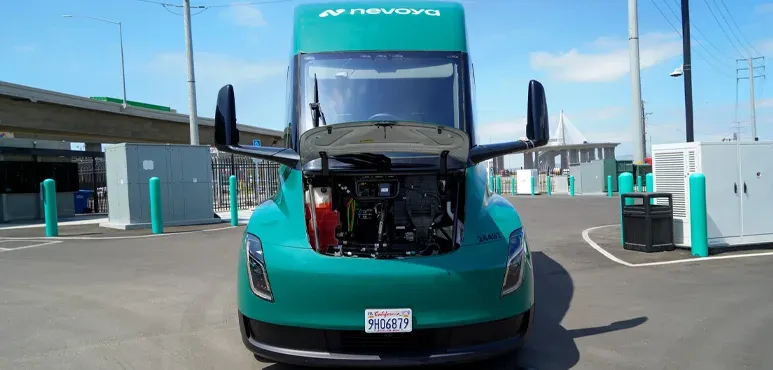
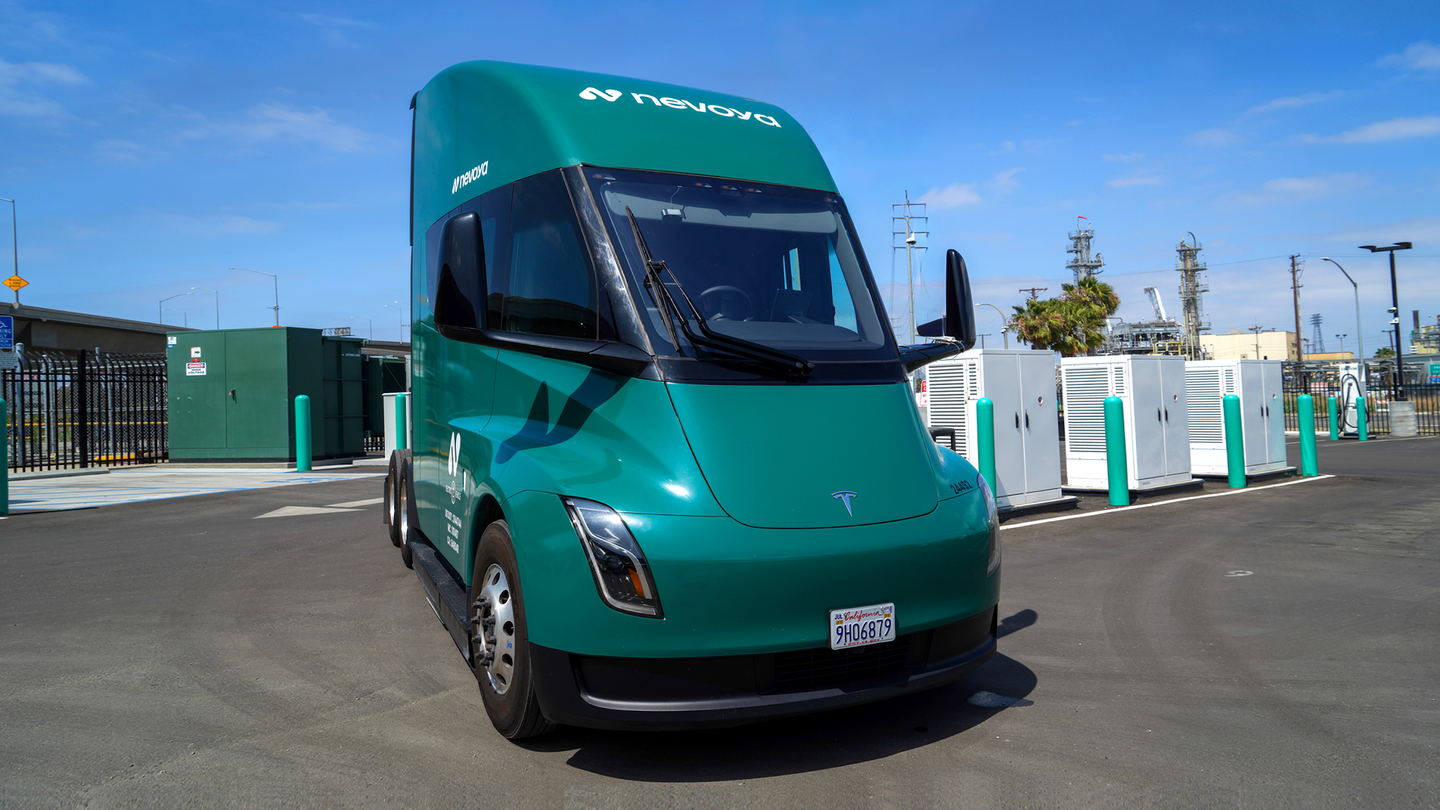
Google is translating its supply chain emissions reduction goals into actual investment in zero-emission freight infrastructure. Google announced that it is partnering with Nevoya and the Center for Green Market Activation to deploy 25 electric heavy-duty semi-trailer trucks and supporting charging infrastructure on an all-electric transportation line between Houston and Dallas, Texas.
Google will obtain the environmental benefits generated by the project in the form of Environmental Attribute Certificates (EACs) - EACs are a common tool used by companies to account for and offset supply chain logistics emissions.
This deployment is part of a larger overall project. In total, the project involves 63 trucks and is believed to be the largest known deployment of Level 8 battery zero-emission heavy-duty trucks in Texas to date.
This batch of vehicles is expected to travel approximately 11 million miles annually and is expected to reduce emissions by approximately 92,000 metric tons of carbon dioxide equivalent (CO2e) compared with traditional diesel trucks during the contract period.
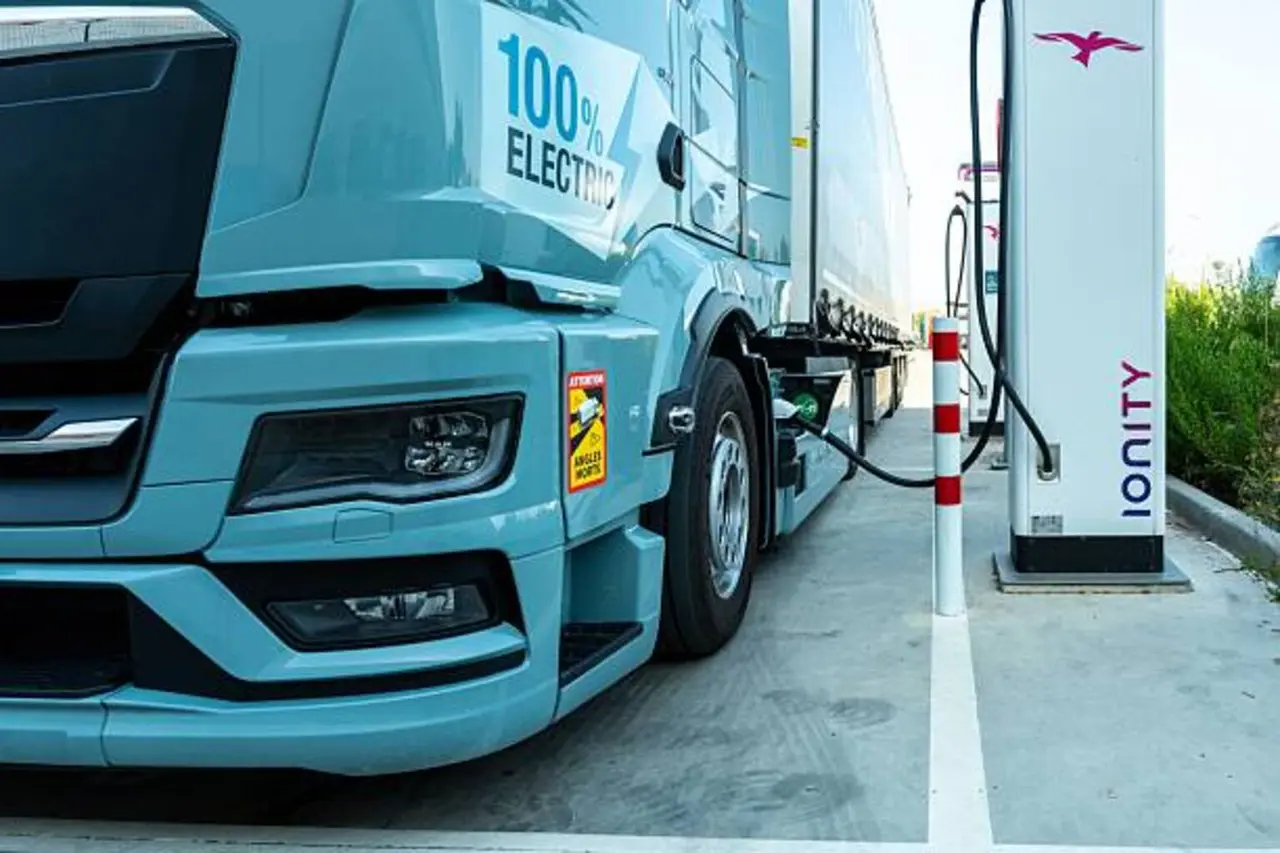
Class 8 trucks are the highest-level and largest-carrying category among freight trucks. They have always been one of the main sources of carbon emissions in the transportation sector and are also a difficulty in commercializing zero-emission technologies.
The realization of all-electric operation on the high-frequency freight corridor from Houston to Dallas marks that the commercial feasibility of this market segment is being verified.
Google adopted the EAC procurement model in this cooperation, which is to purchase environmental attribute certificates to correspond to the logistics emissions related to its supply chain, rather than directly holding or operating fleet assets. This approach allows technology companies to link emissions reduction targets with investments in physical infrastructure without getting involved in logistics operations.
Google pointed out that by jointly purchasing EACs with other companies, it can send a stronger demand signal to the market, which will help promote the large-scale development of emerging technology markets such as zero-emission freight.
This "demand aggregation" strategy is intended to reduce the market risk of technology purchasers through the joint endorsement of multiple companies and provide infrastructure builders with a more predictable source of income.
For participants in the zero-emission heavy truck market, long-term EAC purchase agreements from large corporate customers are one of the key conditions to support project financing and fleet expansion. Google’s entry into the industry may set an example for other technology and consumer goods companies seeking ways to reduce supply chain emissions.
Comments