
Abstract:
The head of the International Monetary Fund warned of the disruptive risks of artificial intelligence on the labor market and taxation, calling on policymakers to rethink the education system and take immediate action to help society adapt to changes. On Monday, Georgieva made her first appearance at the IMF and World Bank annual meetings in Bangkok, saying: "This is a tsunami that is coming slowly, but it is still a tsunami in the end."
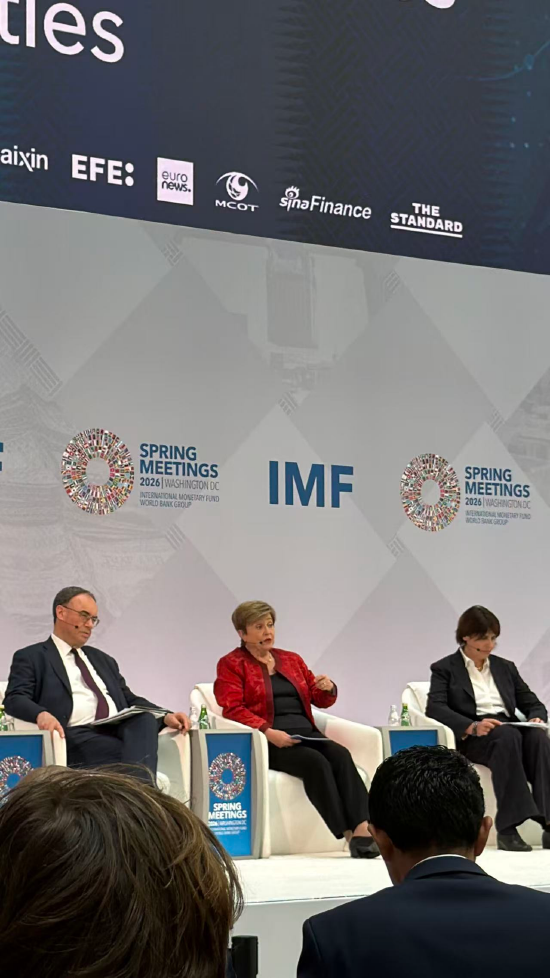
In a sub-forum discussing the impact of artificial intelligence on employment, IMF President Georgieva said that AI has taken over a large number of routine and repetitive tasks, reducing the demand for manpower. At the same time, AI is creating more low-wage jobs in industries such as construction, which she said is “not a situation worth celebrating.”
Georgieva pointed out that this transformation will have a profound impact on public finances. The risk is that the focus of the economy will shift from labor to capital, and labor has historically been the main source of tax revenue. AI may put pressure on government revenue.
This is the latest warning issued by the IMF, suggesting that AI may have an impact on employment and the global economy. Young job seekers in industries affected by AI have experienced a hiring slowdown, with newcomers to entry-level positions facing greater pressure. Although the world is in an AI investment super cycle, AI dividends are currently concentrated in a small number of practitioners and economies, and people are increasingly worried that this technology will widen the gap between rich and poor.
“We cannot now accurately imagine what the workplace will look like five years from now,” she said. “But we can rationally and prudently evaluate the current situation, sum up experience, and most importantly, take action immediately.”
Despite the headwinds facing the job market, AI is expected to benefit overall economic growth in the long term. The IMF estimates that the popularization of AI can increase the growth rate of developed Asian economies by up to 1 percentage point.
Georgieva said that such a growth boost is "significant" and enough to "completely offset" the growth drag caused by the aging population of developed countries in the region.
Comments