
Abstract:
Some specifications of Apple’s next-generation entry-level mobile phone iPhone 18e have been recently exposed. According to the latest news from well-known tipster Digital Chat Station, this new phone, which is expected to be launched in the spring of 2027, will be equipped with a new A20 processor, but the overall design may not deviate too far from the current iPhone 17e. It seems that Apple will continue the product strategy of the e series, using core performance upgrades as the main selling point rather than carrying out large-scale appearance modifications.
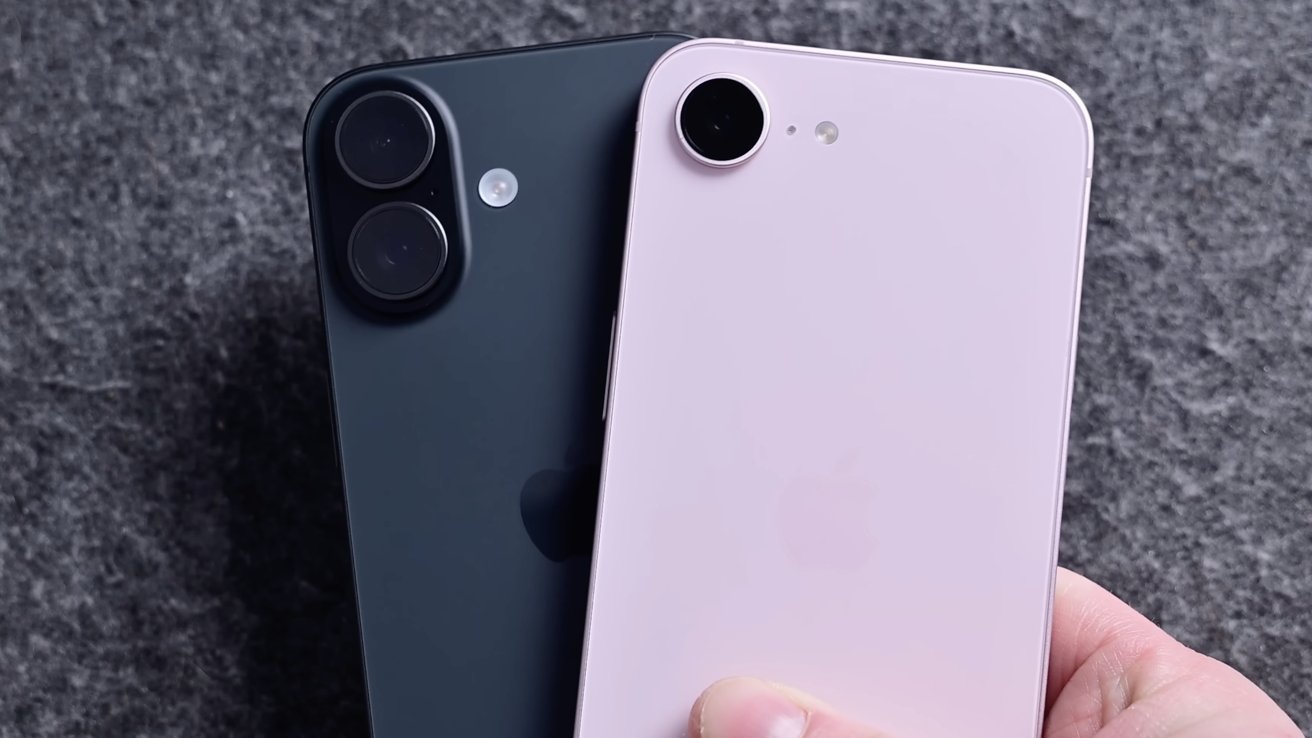
According to the information currently circulating, the iPhone 18e will use an approximately 6.12-inch OLED display, continue to use LTPS technology, and maintain a refresh rate of 60Hz. Compared with the 120Hz ProMotion adaptive refresh rate supported by some high-end iPhones, this configuration appears relatively conservative. However, for models targeting the entry-level market, maintaining existing screen specifications can also help control costs and invest more resources in key components such as processors.
In terms of imaging system, it is reported that the iPhone 18e will continue to use a single 48-megapixel rear camera. Although it is unclear whether Apple will replace the image sensor or adjust the lens design, judging from the disclosed information, the hardware architecture of the rear camera is not expected to change significantly. Apple may continue to rely on computational photography and image processing algorithms to improve shooting results, rather than upgrading by increasing the number of cameras.
There are certain variables in the front camera. Digital Chat Station mentioned that the new phone may be equipped with a 24-megapixel front camera, which is higher than the 12-megapixel front camera used in the iPhone 17e and iPhone 16e. If this rumor is true, the detail performance of selfie photos and the picture quality in some video call scenes are expected to be improved. However, the leaked information is not completely clear, and it cannot be ruled out that the source may have confused previous rumors about Apple’s new generation front camera with the iPhone 18e.
The most noteworthy upgrade this time is still the A20 processor. According to current supply chain rumors, the A20 will use TSMC’s 2-nanometer process, which is expected to make improvements in performance and energy efficiency compared to the 3-nanometer A19 chip on the iPhone 17e. More advanced manufacturing processes can often provide higher performance at the same power consumption, or reduce energy consumption while maintaining similar performance. However, the actual improvement still depends on chip design, frequency setting, cooling conditions and Apple's power management strategy.
If the iPhone 18e does use the A20 chip, it will be more than just a regular minor update. More advanced processors are expected to improve the speed of complex applications, gaming performance and artificial intelligence tasks, while reducing energy consumption under some workloads. Chip performance and memory capacity continue to grow in importance for users who need to run more and more artificial intelligence functions on their phones.
It is worth noting that relevant rumors also indicate that the iPhone 18e may use the same A20 chip as the standard iPhone 18, rather than using a processor with lower specifications. If this arrangement is finally realized, the performance gap between Apple's entry-level models and standard models may be further narrowed, and product differentiation will rely more on screens, cameras, body designs and other functional configurations.
In terms of memory, the current statements from different sources are not entirely consistent. Analysts previously predicted that iPhone 18 and iPhone 18e may be upgraded from the 8GB memory of current models to 9GB to meet the growing demand for artificial intelligence functions such as Apple Intelligence. However, the latest leaks about the iPhone 18e do not clearly confirm the memory capacity, so this specification still needs to wait for more information.
In terms of appearance, the iPhone 18e is not expected to undergo a major redesign. Previous news about Apple’s entry-level models showed that Apple may continue to retain the traditional screen bangs instead of directly adopting the smart island design. The display size and panel technology may also basically continue the solution of the previous generation product. This means that the appearance changes of iPhone 18e may be quite limited, and the main upgrades focus on internal hardware.
In recent years, Apple has gradually divided its iPhone product lines into different positionings: the Pro series emphasizes high-end imaging, display technology and performance, the standard version provides relatively balanced configurations, and the e series is mainly targeted at consumers who are price-sensitive and pay more attention to daily experience. For such users, processor upgrades are often more practical than complex appearance changes, because it not only affects the performance of current applications, but also affects the compatibility of system updates and new features in the next few years.
Judging from the release time, iPhone 18e is expected to be launched in the spring of 2027, and may be unveiled at the same time as the standard iPhone 18. Apple has previously adjusted the release pace of some products, releasing high-end models separately from subsequent standard models. If this strategy continues to be implemented, the spring of 2027 may become an important time window for Apple to focus on updating its mid-range and entry-level iPhone product lines.
Of course, all current information about iPhone 18e is still in the leaking stage, and Apple has not officially announced product specifications. The screen, camera, memory and specific release time may all change before mass production.
Overall, iPhone 18e may continue the product framework of iPhone 17e, using the A20 processor as the core upgrade while retaining the 60Hz screen and single camera design. This strategy may be attractive to consumers who expect stronger performance from entry-level iPhones; but if users value a high refresh rate screen, a multi-camera system or significant appearance changes, the current configuration of the new phone may still lack enough surprises.
Comments