
Abstract:
Apple recently announced that nearly 100 components used in its first foldable screen phone iPhone Duo and its new generation flagship model iPhone 18 Pro have been produced by American companies in more than a dozen states. This news is the latest development in Apple’s continued advancement of its U.S. manufacturing strategy and is part of its $600 billion U.S. investment plan.
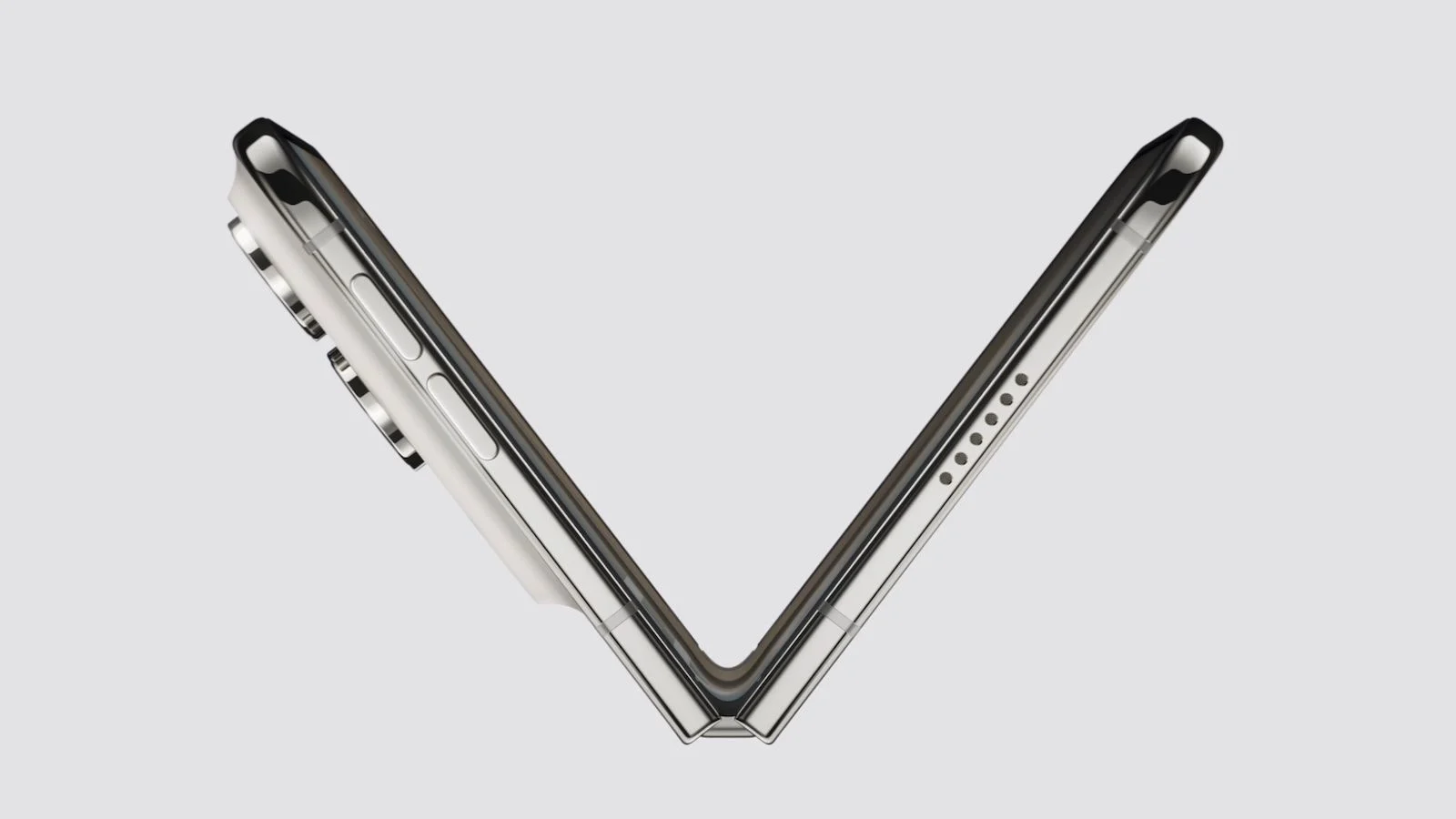
Apple announced on the same day that it would establish or expand cooperative relationships with two American companies. Among them, Perryman Company, a titanium metal manufacturer located in Pennsylvania, will supply titanium materials to Apple. Apple plans to invest up to $100 million in the company over the next three years to produce titanium materials needed for multiple products, including iPhone Duo.
Apple said that iPhone Duo uses a grade 5 titanium body structure to improve the strength and durability of the device. Perryman will be responsible for the production and manufacturing of related titanium materials at the Pennsylvania factory.
At the same time, Delaware-based Qnity Electronics will participate in the production of key components for the new variable aperture camera system of the iPhone 18 Pro. The company will make advanced thin-film materials used in the camera system, which Apple calls one of its most advanced mobile phone imaging technologies yet.
Apple Chief Operating Officer Sabih Khan said that from the titanium used in iPhone Duo to the innovative camera technology used in iPhone 18 Pro, American companies are providing more and more important materials and core components for Apple’s latest products. The company will continue to expand its American manufacturing program and support more local jobs.
Apple said that U.S. companies have produced nearly 100 components and materials for iPhone Duo and iPhone 18 Pro, and the relevant supply chain covers more than a dozen states. The company said its supplier network spans all 50 states in the United States and supports more than 450,000 jobs.
In addition to Perryman and Qnity, Apple also introduced the latest progress of multiple U.S. suppliers. Broadcom is expanding its factory in Colorado. According to the US$1.5 billion investment plan announced in July this year, the facility will produce more than 15 billion US-made chips in the future and provide advanced radio frequency components to Apple.
Long-term partner Corning continues to produce specialty glass for Apple devices in Kentucky, including Ceramic Shield panels. Apple expects that by the end of 2026, all iPhones sold globally (including iPhone Duo) and the outer protective glass used in Apple Watch will be produced in this factory.
Laser technology supplier Coherent is also expanding its cooperation with Apple to provide a new generation of vertical cavity surface-emitting laser technology from its Texas factory. These components are used for functions such as Face ID and will be used in the redesigned Smart Island components of the iPhone 18 Pro series.
In the field of chips, Apple once again emphasized its cooperation with TSMC’s Arizona factory. According to the plan, the factory will produce more than 100 million chips for Apple in 2026, covering product lines such as iPhone, iPad and Apple Watch. As the scale of cooperation expands, the construction of the northern Arizona factory continues to advance.
In addition, packaging and testing company Amkor Technology is building a large-scale advanced packaging and testing facility in Arizona. Apple said that it will be one of the first customers of the factory and that the project is expected to support more than 3,500 local jobs after completion.
Apple also emphasized that the new cooperation project will not only expand the scale of domestic manufacturing in the United States, but also increase the proportion of recycled materials. At the same time, the company requires all direct suppliers to fully use renewable energy to power Apple product manufacturing processes by the end of this decade to align with its long-term environmental goals.
The supply chain progress announced this time is also the latest achievement of Apple’s “Made in America Plan”. The plan aims to promote the return of more key components and advanced manufacturing capabilities to the United States and further strengthen Apple's supply chain layout in core areas such as materials, chips, glass, sensors and advanced packaging.
Comments