
Abstract:
A few days ago, the Weibo topic "Many mobile phones have officially increased in price" topped the hot search list, attracting widespread attention. According to reports, many mobile phone brands such as Huawei, Xiaomi, and Honor have increased the prices of some of their popular models, including the Huawei Mate 80 series, Xiaomi 17 series, and Honor Power series.
Take Huawei Mate 80 as an example. The price of the 12GB+256GB version was 5,999 yuan before the price adjustment, and it was 6,999 yuan after the price adjustment; the 12GB+512GB version increased from 6,499 yuan to 7,499 yuan; the 16GB+512GB version increased from 6,999 yuan to 7,999 yuan. Some popular models have increased by nearly 1,000 yuan.
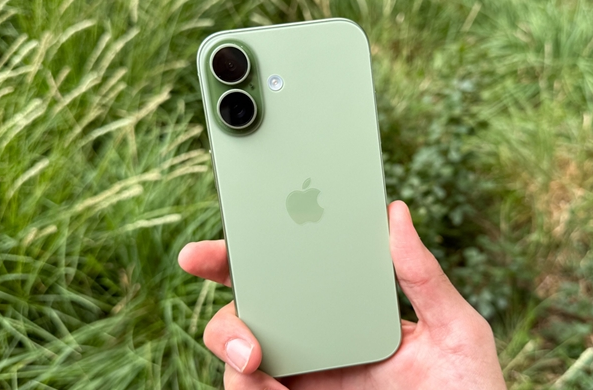
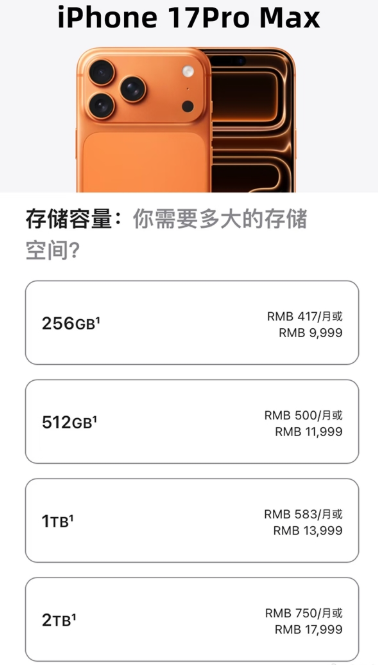
Some netizens in the comment area said that at present, the iPhone 17 series has not yet followed the price increase. In this regard, some bloggers pointed out that although the iPhone 17 series has not adjusted its price, its pricing is already at a high level, with the 1TB version priced as high as 14,000 yuan.
What's more, the upcoming iPhone 18 Pro series will also see a price increase, and the increase is expected to be more than a thousand yuan. Therefore, Apple does not have the so-called cost-effective advantage, and the price of Apple mobile phones is still at the top of the industry.
It is understood that the sharp increase in mobile phone prices in 2026 is due to the double squeeze of chip and memory costs. The quotation of TSMC’s 2nm wafers has exceeded US$30,000, and the increase in the memory side is even more fierce. The 8GB+256GB storage contract price has increased by nearly 200% compared with the same period last year. The proportion of memory chips in the complete machine materials has soared from 10% to 15% to more than 30%, and cost pressure has directly pushed up the terminal selling price.
The cost impact has been directly reflected in shipment expectations. Goldman Sachs has lowered its forecast for global mobile phone shipments in 2026 by 4%, while Counterpoint's forecast is even more pessimistic, with full-year shipments expected to drop to 1.08 billion units, a year-on-year decrease of 13.9%, setting a new low since 2013.
In short, the continued skyrocketing price of memory and the continued decline in shipments are pushing major mobile phone manufacturers into a major test of product definition and pricing strategies. The core contradiction in this exam is how to find a balance between rising costs and weak market demand. The results of the exam will profoundly reshape the competitive landscape of the future mobile phone market.
Comments