
Abstract:
The latest revelations from supply chain and industry analysis organizations show that Apple is conducting a far-reaching and radical strategic reorganization of its smartphone product matrix. According to multiple core sources, Apple is considering completely adjusting the digital naming system that has been used for many years in the future iteration cycle. The iPhone 18 basic model originally scheduled as a regular update may be directly canceled, and its original market niche will be fully taken over by the iPhone Air 2, which focuses on ultra-thin design.
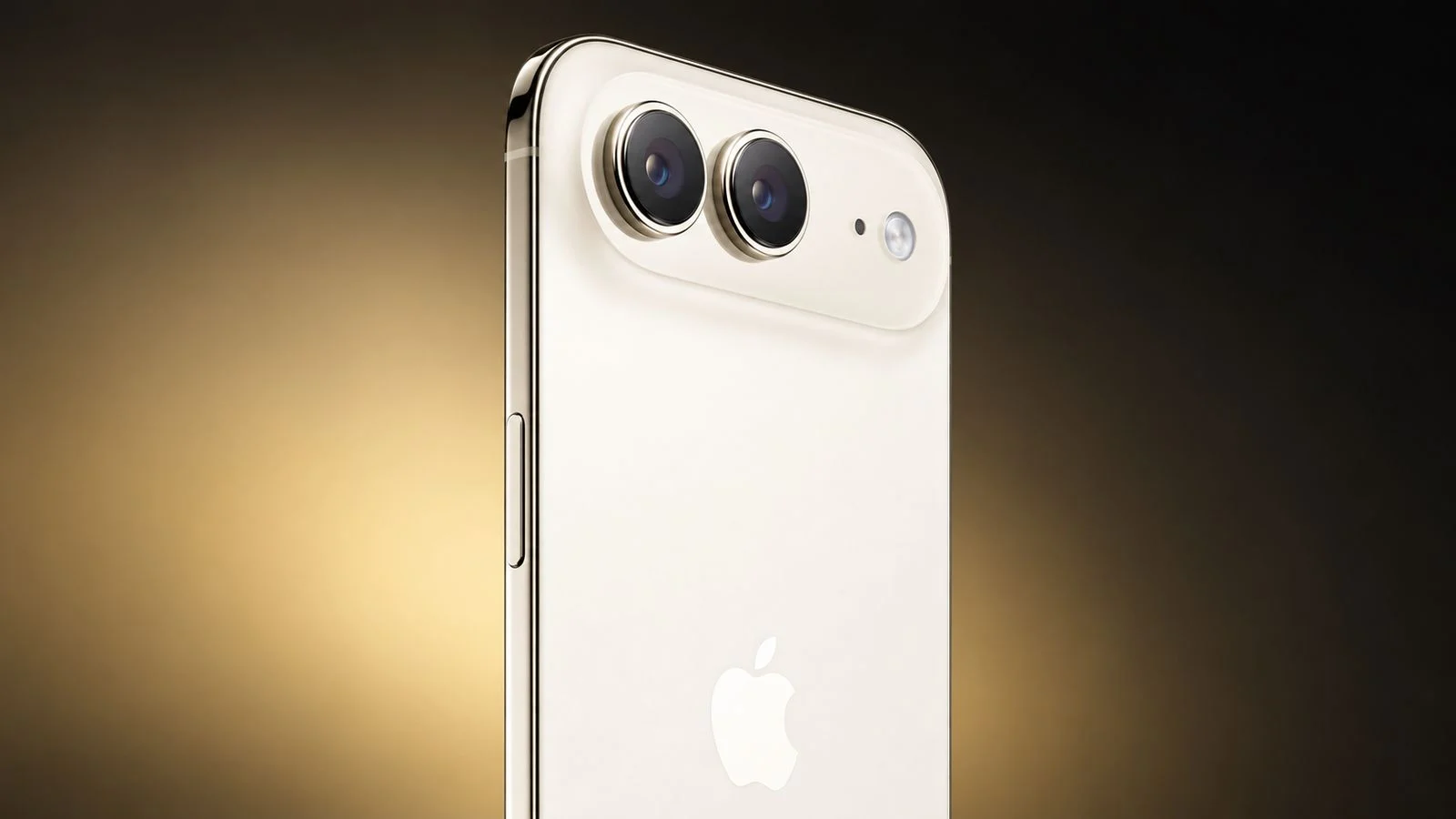
This major adjustment reflects Apple’s continued exploration and reflection on market segment positioning in recent years. Previously, Apple had launched the 5.4-inch small-screen iPhone mini series and the subsequent 6.7-inch large-screen iPhone Plus series, but the market sales of both failed to meet the core expectations set by management in the long term. In order to break the stagnation of innovation in basic models and stimulate the desire to replace models, Apple has established a new direction of using minimalism and thinness as a breakthrough point, and introduced a new iPhone Air product line in product planning that focuses on ultra-thin body technology.
Industry observers pointed out that if Apple finally decides to directly replace the original iPhone 18 with iPhone Air 2, it means that Apple will officially bid farewell to the conventional array of four models of "standard version, Plus, Pro, and Pro Max" that has continued since the iPhone 11 era. In this new product blueprint, the basic digital series will no longer be the default main force in sales. Instead, the iPhone Air series will assume the pivotal role of connecting the past and the next. This model is expected to have a more exquisite industrial design, a thinner feel, and a new generation of display packaging technology as its core selling points, forming a more distinct product differentiation from the Pro high-end flagship series, which focuses on extreme hardware computing power, periscope telephoto photography, and professional-level productivity.
From the perspective of supply chain and manufacturing costs, this change also highlights Apple’s deep intention to optimize the gross profit margin of its product line. By empowering thin and light technology as a new high-end design symbol, Apple can not only get rid of the pressure of public opinion that the standard model has been criticized for "lack of recognition and innovation" for many years, but can also use the iPhone Air's more modern appearance premium to reconstruct the product attractiveness of this price range, thereby promoting the migration of existing users to higher value ranges.
Although there is still a research and development window period before the official production and release of relevant models, and Apple usually conducts repeated internal demonstrations on various engineering and market alternatives, many senior technology analysts generally believe that at a time when the smartphone industry as a whole is trapped in parameter involution and homogenization of appearance, the Air series, which focuses on thin and light form factors, will be strengthened as the core main force, which is in line with Apple's product logic that has always been good at using form innovation to lead consumer trends. If this adjustment is finally implemented, the mainstream smartphone consumer market may usher in a new round of form reshuffle driven by industrial design and thinness and portability in the future.
Comments