
Abstract:
Just after Nvidia founder and long-term helmsman Huang Jensen announced his resignation as CEO, an attention-grabbing change occurred in the Japanese graphics card market. Multiple Japanese media reported that the prices of high-end GeForce RTX 50 series graphics cards were suddenly and significantly reduced in a short period of time, with the price reductions of RTX 5090 and RTX 5080 being up to more than 22%.
Huang Renxun announced his resignation after 33 years at the helm of Nvidia, and the company has entered a management transition phase. With the implementation of this major personnel adjustment, the outside world is generally paying attention to NVIDIA's future development direction in the GeForce business and the game graphics card market. However, market analysts believe that although the graphics card price reduction occurred after the news was announced, there is no clear evidence to prove a direct causal relationship between the two.
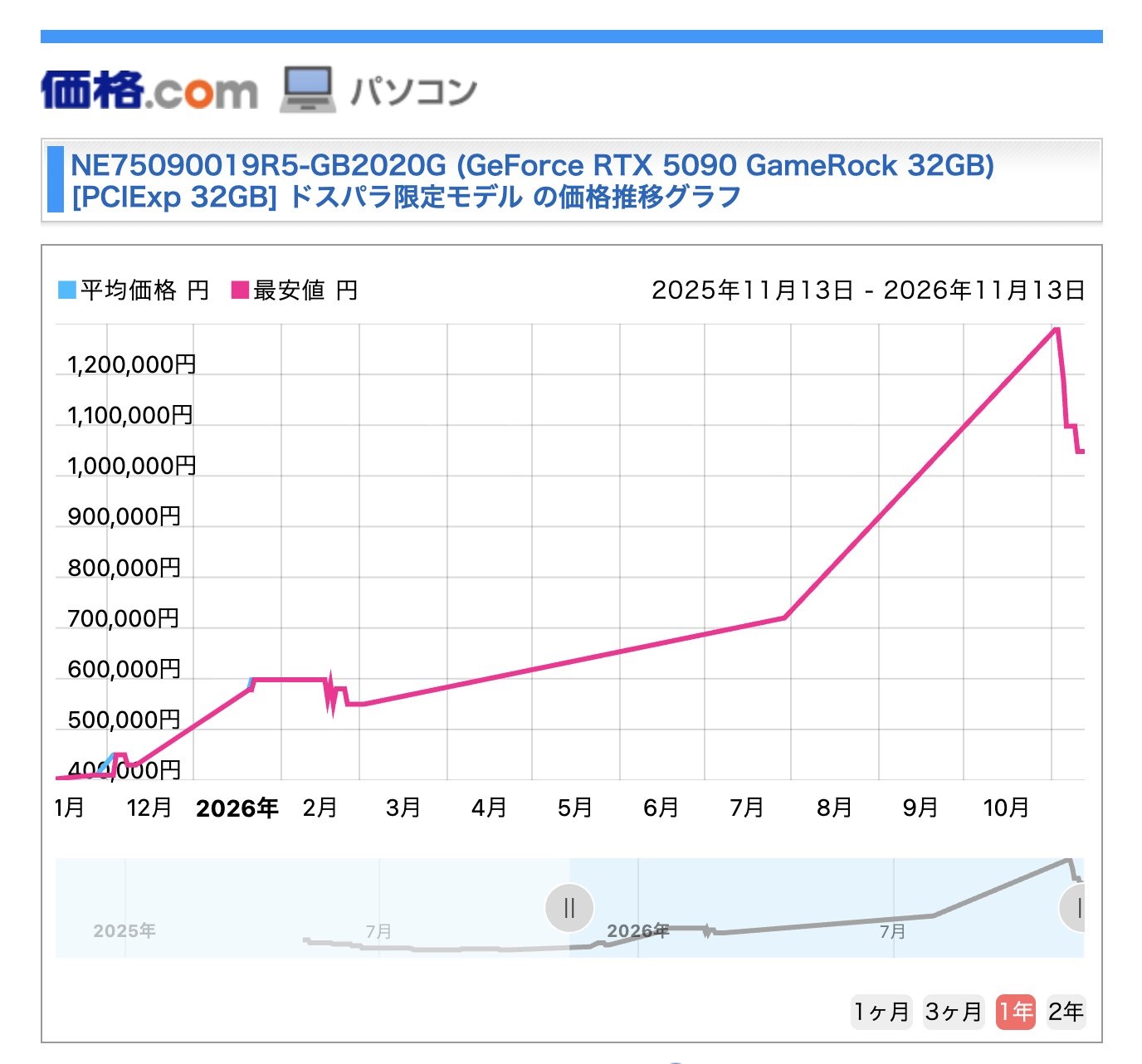
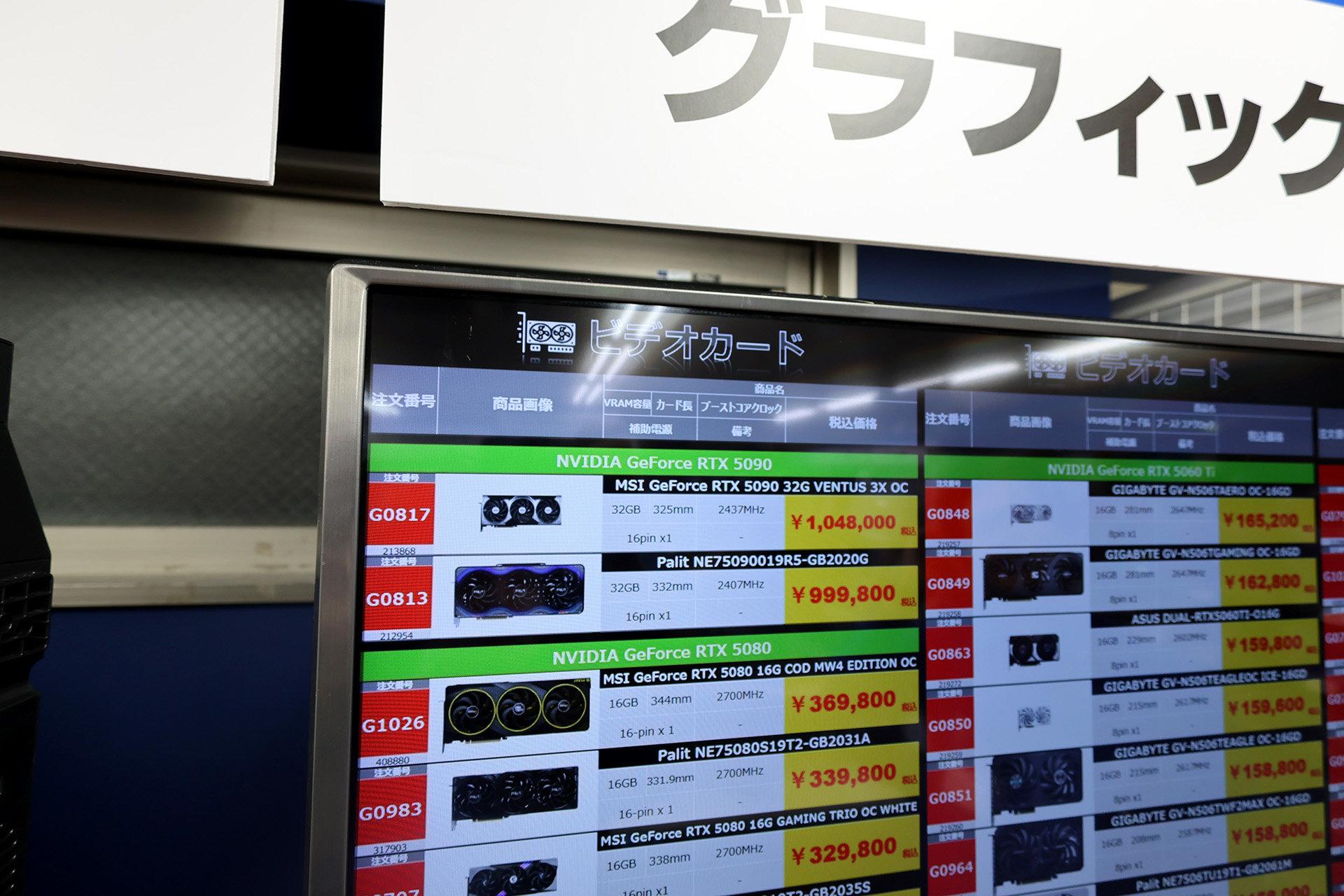
According to data from Japanese retailer Dospara and price comparison website, some RTX 5090 models have seen significant price cuts within one day. Among them, the price of Palit GeForce RTX 5090 GameRock 32GB graphics card dropped from 1.288 million yen to 1.048 million yen, a single-day drop of 18.6%. Converted according to the exchange rate at that time, its price dropped from approximately US$8,062 to approximately US$6,560.
At the same time, Japanese media reports showed that the price of this model of graphics card dropped even more significantly in some stores in Akihabara, with the price dropping to 999,800 yen, a 22.38% decrease from the previous price, and falling below the 1 million yen mark for the first time.
Another high-end product, RTX 5080, has also experienced significant price adjustments. Previously, the price of this graphics card has remained above 300,000 yen for a long time, and reached 359,800 yen a few days ago. The latest data shows that its price has fallen back to 299,800 yen, which is approximately US$1,876, with an overall decrease of approximately 16.7%.
Although both flagship products saw significant price cuts shortly after Huang Renxun resigned, market surveys show that this is more likely to be the result of changes in supply and demand. Japanese technology media Gazlog pointed out that the price of RTX 5080 actually reached a high at the end of October, and then began to enter a downward trend. As the selling price of more than 300,000 yen affects consumers' purchasing intentions, sales slow down and inventories gradually increase, forcing retailers to cut prices to stimulate demand.
On the other hand, the market supply situation of RTX 5090 also improved in early November. According to reports, since around November 3, more retailers have successively obtained new batches of supply. After the market supply resumes, prices will naturally loosen. Against the backdrop of rising inventories and intensifying competition, the RTX 5090 has also seen a significant price cut.
Based on the current public information, the current round of price cuts for the RTX 5090 and RTX 5080 in the Japanese market is more likely to reflect the combined effects of inventory pressure, market demand, supply recovery and other factors, rather than being directly caused by Nvidia's management change. However, in the new era after Huang Renxun's departure, Nvidia's future product strategy and graphics card pricing policy will still receive continued attention from the industry and consumers.
Comments