
Abstract:
The Japan Aerospace Exploration Agency (JAXA) plans to launch the "Mars Satellite Exploration Project" (MMX) probe from the Tanegashima Space Center on October 20, 2026, to collect samples from the Martian satellite Phobos and return them to Earth. If the mission is successful, MMX will bring back at least 10 grams of Phobos material, becoming the first human exploration mission to retrieve samples from a satellite orbiting Mars. The mission is expected to complete sample return in 2031.
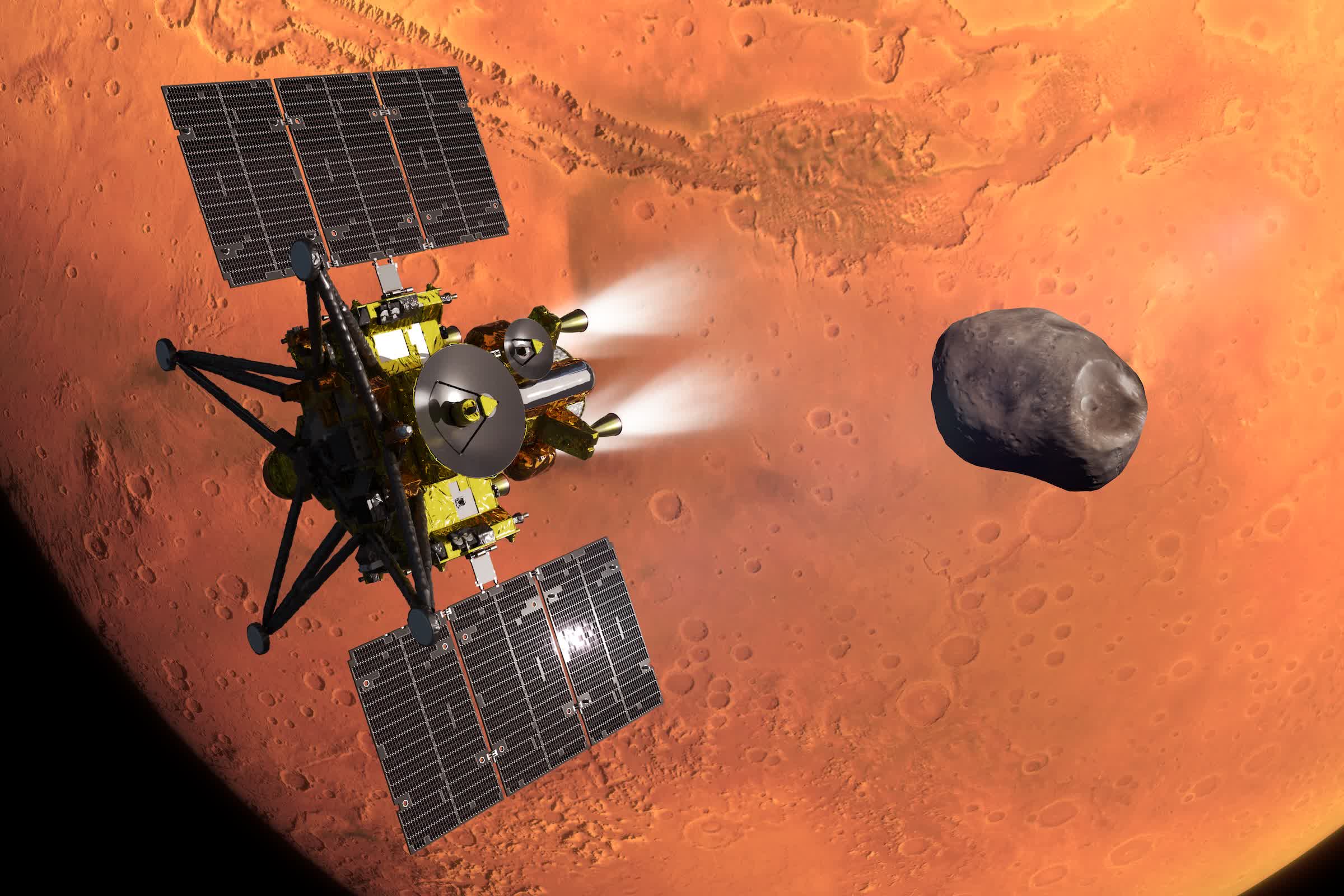
MMX is expected to take about a year to reach Mars, then orbit near Mars and its moons for about three years, and finally return to Earth in about a year. The core goal of the entire mission is to further understand the formation history of Phobos and Deimos by analyzing Phobos material, and to search for Martian material that may be preserved in it.
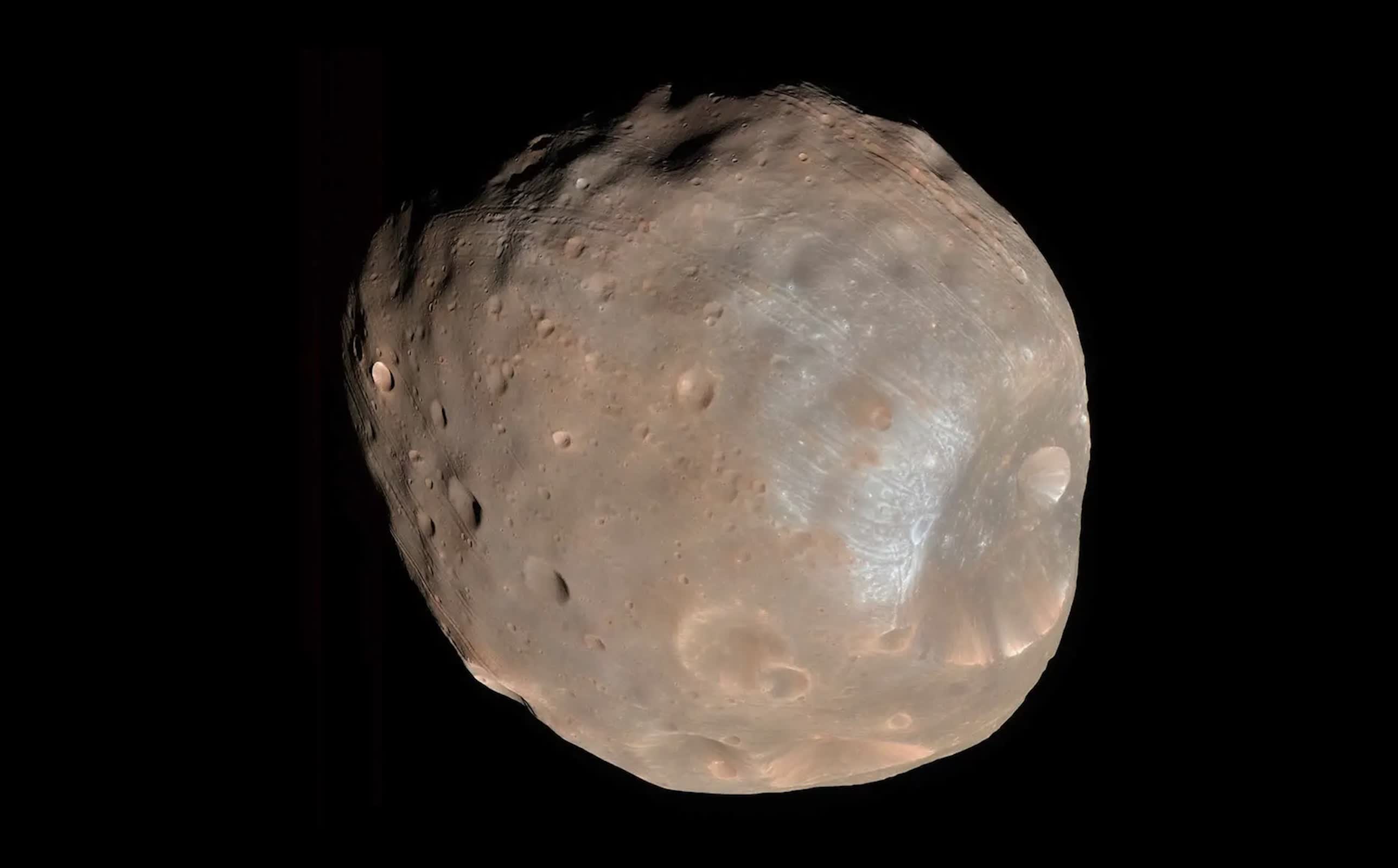
Although Phobos has a radius of only about 11 kilometers, its gravity is still significantly stronger than the asteroid Ryugu previously detected by Japan, and at the same time, it is much weaker than the moon. This makes MMX face a special landing environment: the probe cannot hover for a long time and slowly touch the ground like it did on Ryugu, because that would consume too much fuel; but it also cannot directly apply the landing technology designed for the moon.
A bigger problem is that the communication delay between the Earth and Mars may be up to 20 minutes, so the probe cannot rely on real-time control from the ground during its descent and landing. MMX must make key decisions on its own. When approaching Phobos, the probe will compare the surface below with existing crater and terrain maps, adjust its position accordingly, and automatically guide itself to the intended landing area. When the altitude is lower than 300 meters, the detector will also check whether there are unexpected changes in height on the surface to determine whether the landing site is safe. If a problem is discovered, the MMX can move to a different location, abandon the current landing attempt and re-launch.
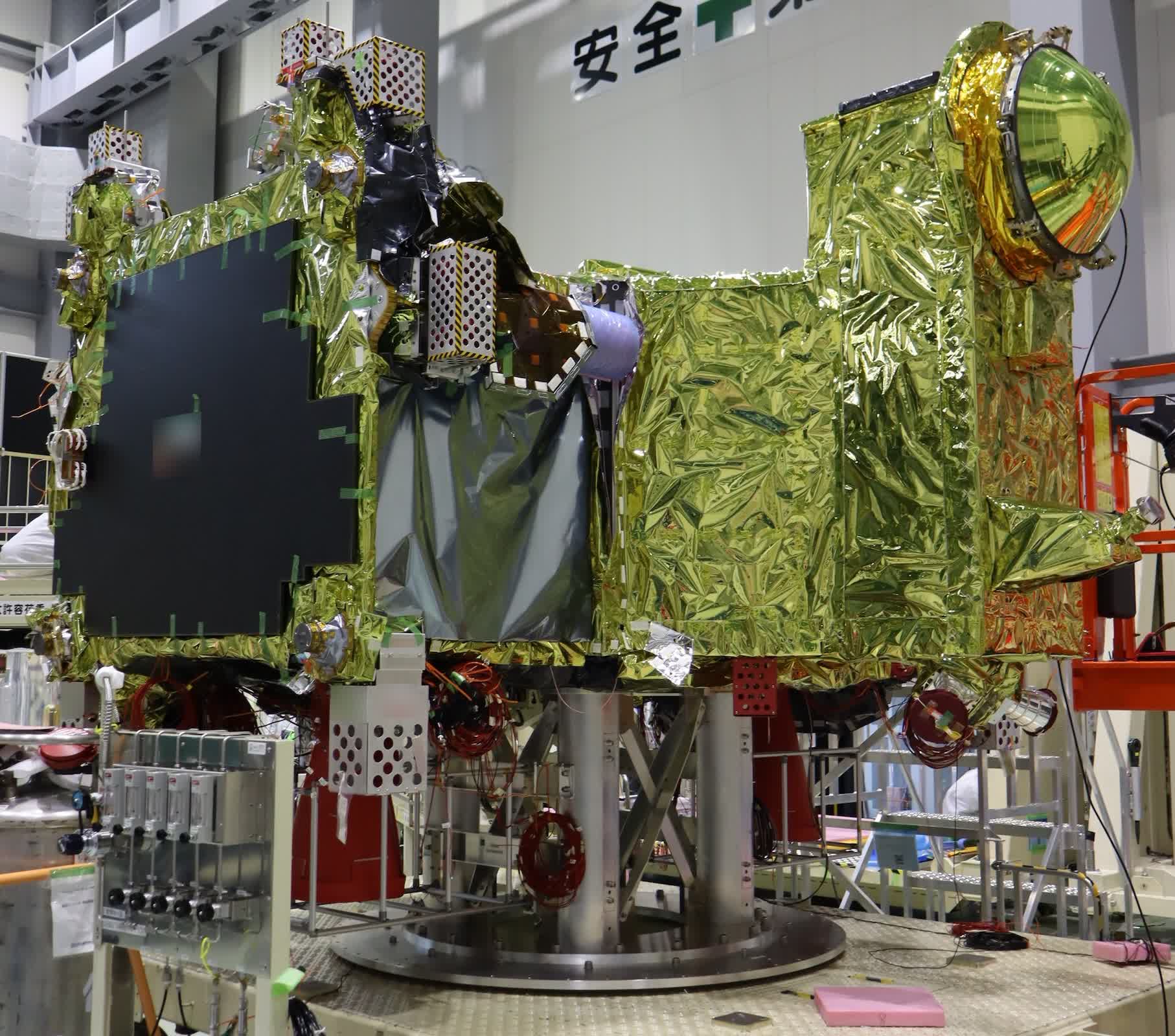
The probe, designed by Mitsubishi Electric, has a launch mass of 4,480 kilograms, more than half of which is fuel. The probe carries separate fuel reserves for flying to Mars, operating near Mars, and returning to Earth. After arriving in the Martian system, MMX will first abandon the flight module that has exhausted its fuel, and then fly over Deimos, another satellite of Mars, and abandon the exploration module in the subsequent stage.
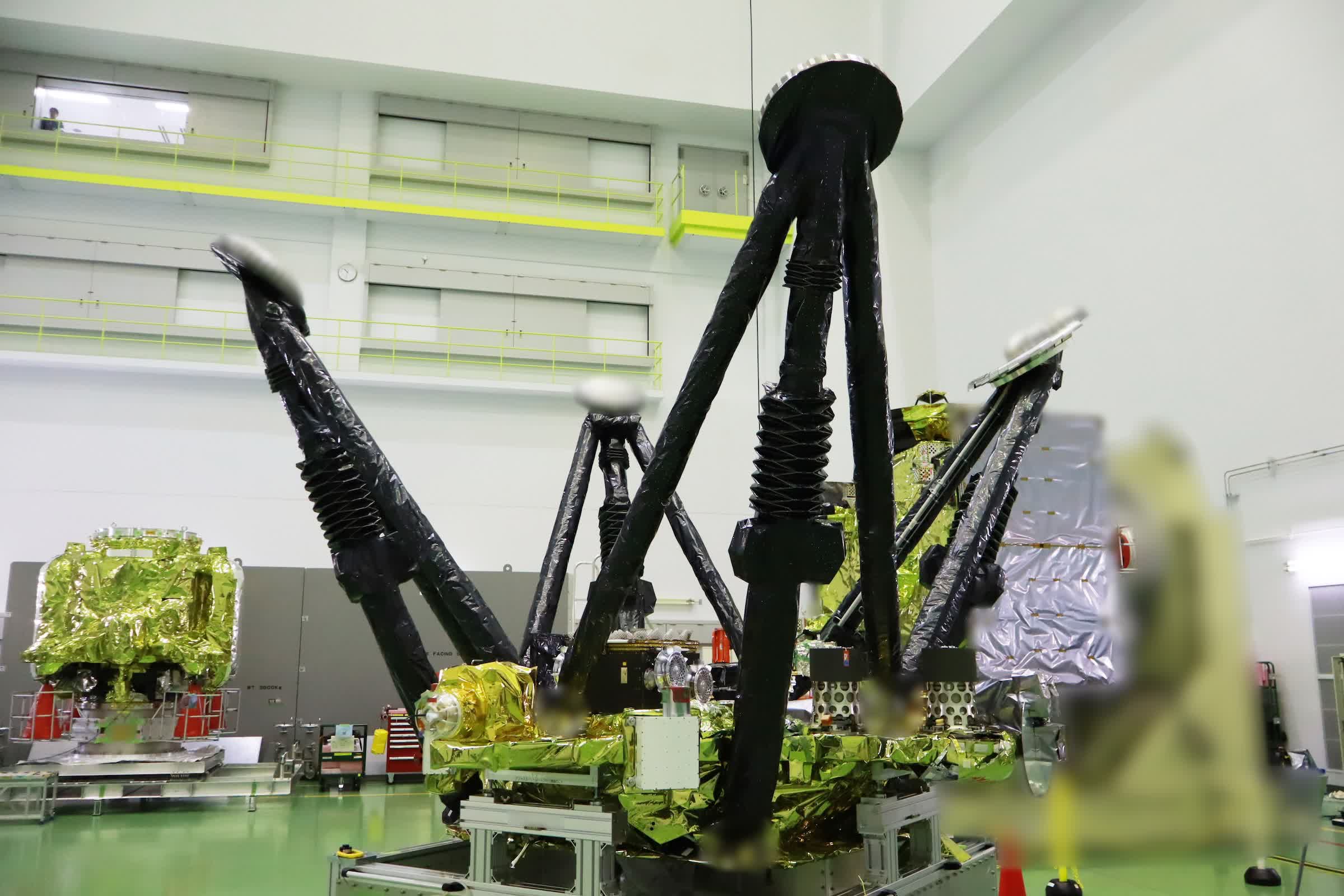
Before MMX attempts the main landing, a small Mars satellite rover called IDEFIX will be deployed to the surface of Phobos. This rover was jointly developed by the French and German space agencies and is expected to work on Phobos for about 100 days, helping researchers assess surface conditions and providing a reference for subsequent sampling work by large detectors.
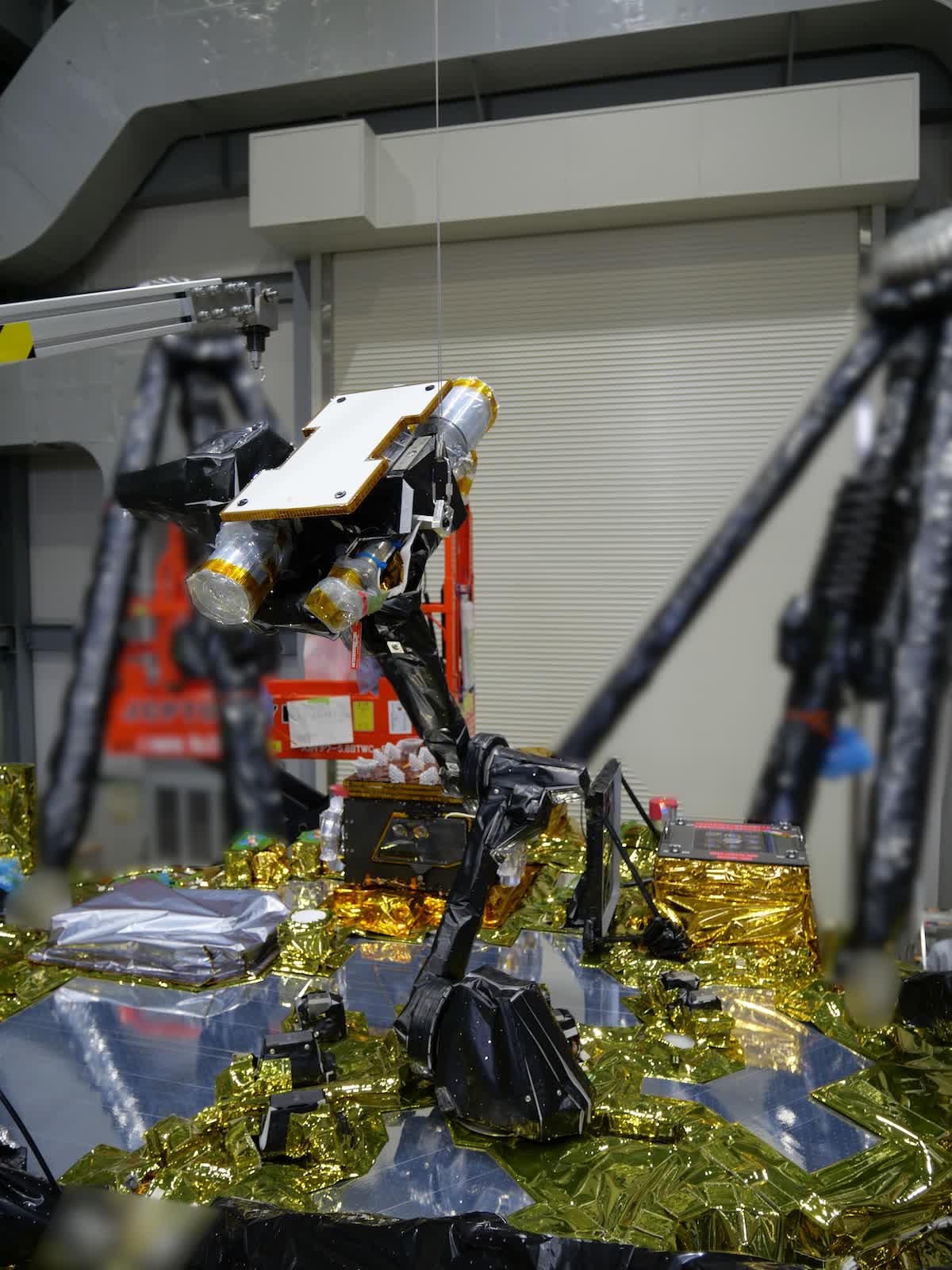
MMX will use a robotic arm to drill into the surface of Phobos and load the collected material into a cylindrical sample tube. The probe also carries a nitrogen sampling device originally developed by NASA to collect fine dust on Phobos' surface.
Scientists hope to use these samples to answer questions about how Phobos and Deimos were formed. There are currently two main theories: one believes that the two satellites were formed by the gradual accumulation of debris thrown into space after a huge collision on Mars; the other believes that they were originally asteroids from the outer solar system and were later captured by Mars.
Phobos and Deimos have darker surfaces, similar in appearance to asteroids rich in water and carbon. However, the nearly circular orbits of the two satellites, the orbital plane that is basically consistent with the equatorial plane of Mars, and the running direction that is the same as the rotation direction of Mars are more consistent with the theory of "impact debris formation".
Researchers also believe that Phobos may contain material from Mars. Over the past billions of years, the surface of Mars has been subject to constant impacts, and some of the Martian material thrown into space may have ended up on the two moons. Scientists estimate that about 0.1% of the material in the samples collected by MMX may come from Mars itself.
This mission is expected to cost approximately US$345 million. It will also be the first time Japan has launched a Mars probe after 28 years. In addition to scientific research goals, MMX will also test key technologies such as autonomous navigation, automatic landing and sample return to accumulate experience for more complex Mars exploration missions in the future.
Comments