
Abstract:
Kioxia cooperated with Dell to build a single-rack object storage system, equipped with 640 Kioxia LC9 series 245.76 TB solid-state drives in a standard 42U rack, with a raw flash memory capacity of approximately 157 PB. The system runs Dell's software-defined storage platform ObjectScale, hosted by 16 PowerEdge R7725xd servers, for unstructured data workloads such as artificial intelligence training, big data analysis and cloud native applications.
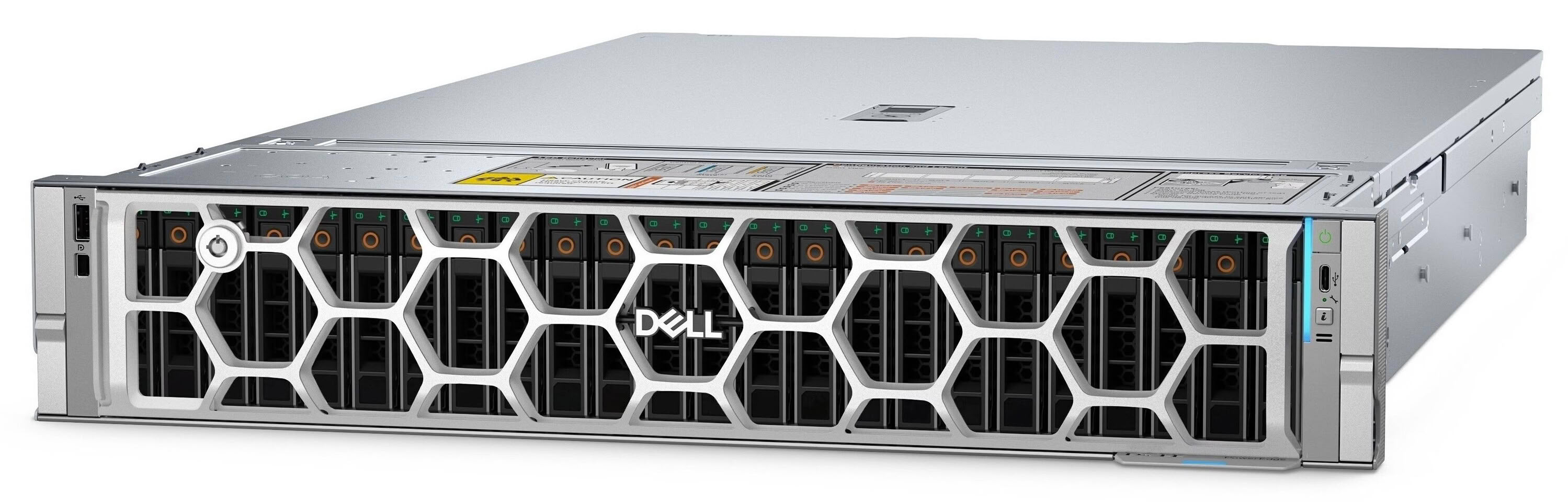
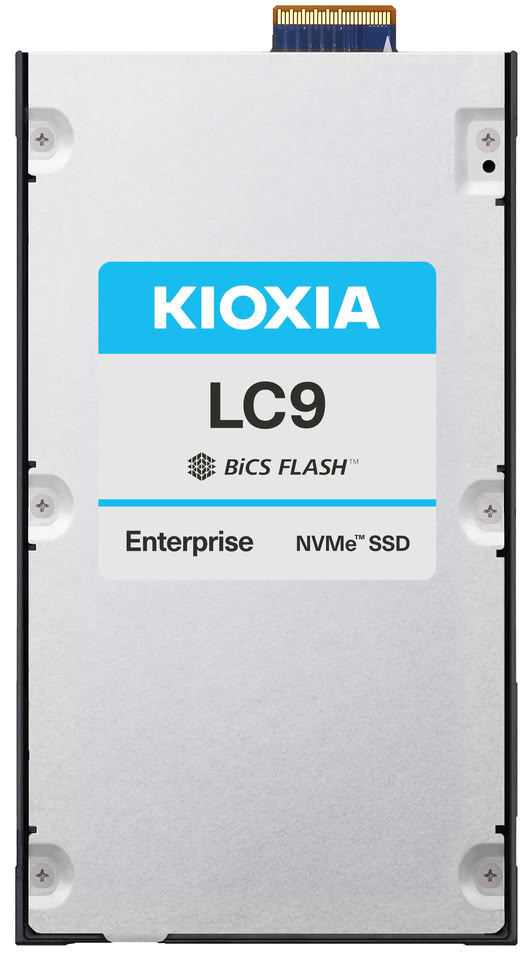
Each LC9 SSD uses Kioxia's eighth-generation BiCS FLASH 3D QLC flash memory and 32-layer chip stacking architecture, with a maximum capacity of 245.76 TB, using the E3.L specification; the same series of 2.5-inch and E3.S specifications have a maximum capacity of 122.88 TB. Assuming that each server is equipped with 40 245.76 TB SSDs, a single 2U server provides approximately 9.83 PB of original capacity, and 16 servers total approximately 157.3 PB. The server itself occupies 32U of rack space.
Kioxia said that high-capacity flash memory can concentrate the same size of data into fewer devices and racks, reduce wiring, and is expected to increase storage capacity per watt and reduce cooling requirements; the company compares it with traditional hard disks or low-capacity SSD solutions. However, the manufacturer has not disclosed the available capacity, data protection configuration, actual power consumption or performance test results of this 157 PB system. Therefore, 157 PB is the original capacity. After deducting formatting, redundancy and system overhead, there will be less space for users to store data.
The LC9 series supports the PCIe interface and some requirements of the Open Compute Project data center NVMe SSD specification, and provides flexible data placement functions to reduce write amplification and extend SSD service life. The product also offers protection against flash chip failures; security options such as self-encryption and FIPS 140-3 compliance are subject to model and regional availability.
Comments