
Abstract:
A team of physicists from Northwestern University recently made a major breakthrough in the field of particle physics experiments. For the first time, the antimatter counterpart of the electron, the positron, was successfully guided and stably controlled in a precise quantum state, and suspended and imprisoned in an extreme vacuum environment near absolute zero for several months. This research result, published in Physical Review Letters, constructed the world's first "single positron quantum cyclotron" and opened up a new experimental path for mankind to explore the mystery of the retention of matter in the universe.
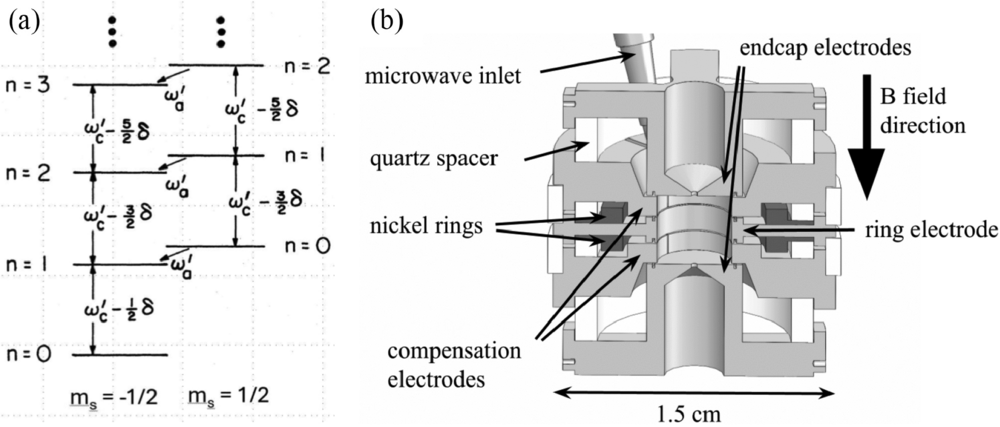
In modern physics, although the Standard Model describes elementary particles and three of the four basic interacting forces with extremely high precision, it has never been able to answer a core puzzle: According to theoretical deductions, the Big Bang should have produced equal amounts of matter and antimatter. When the two meet, they will be instantly annihilated and reduced to nothing. However, in reality, the observable universe is almost entirely composed of positive matter, and stars, planets and even humans can survive. Gerald Gabrielse, the leader of the research, said that this shows that the existing standard model still has key flaws or incompleteness. The scientific research team hopes to find breakthroughs in the existing theory through ultra-precise examination of the most basic particle systems.
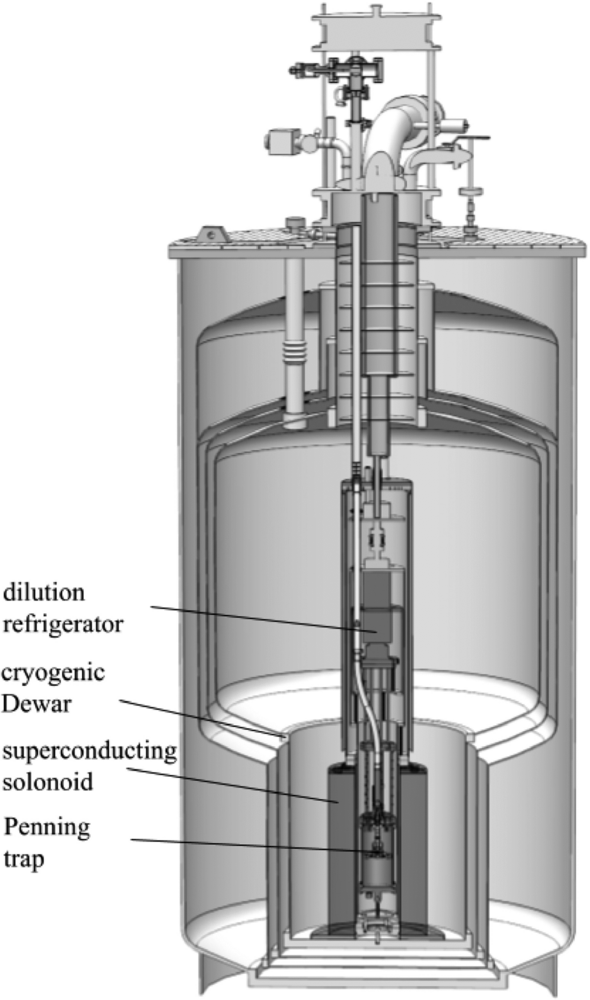
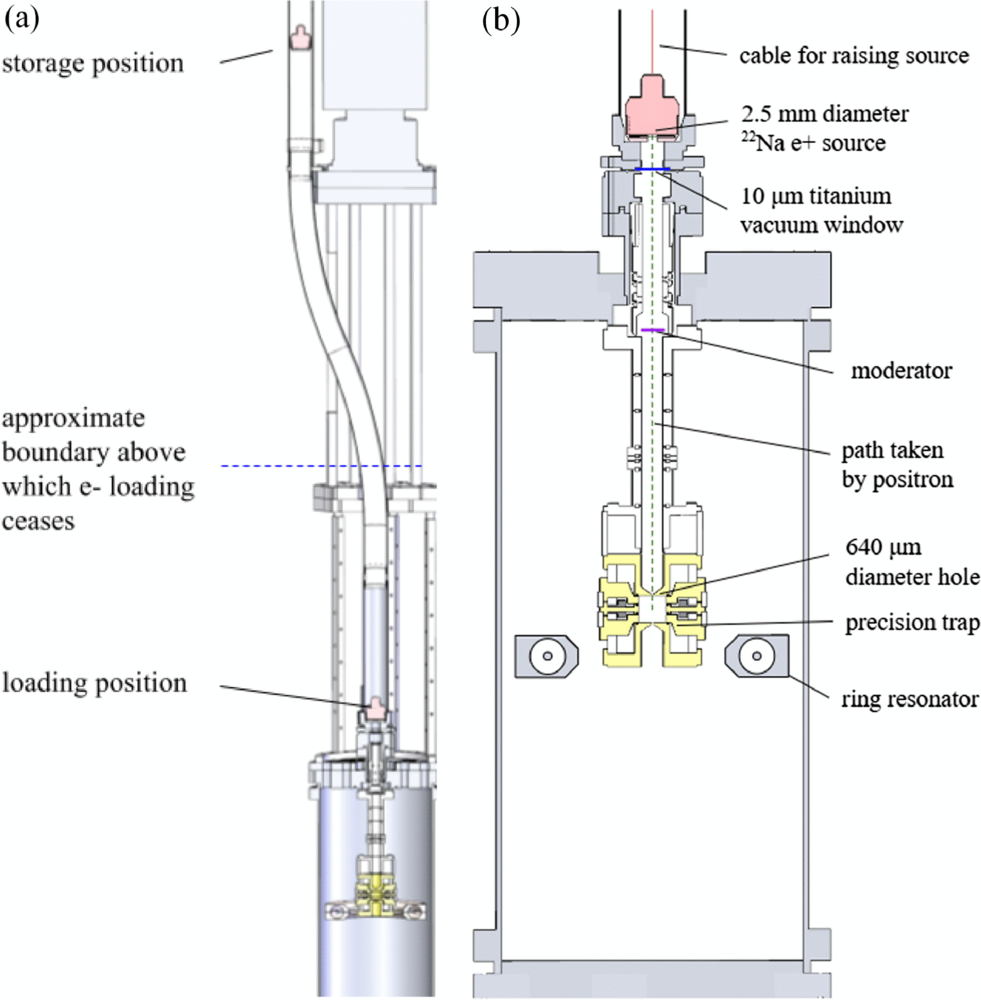
Since antimatter will be annihilated immediately once it comes into contact with the wall of a conventional matter container, it is extremely difficult to preserve it for a long time. The research team first obtained high-energy positrons from the radioactive decay of the rare isotope sodium-22, greatly decelerated them and introduced them into a specially designed electromagnetic trap. They used special electric and magnetic fields to suspend and isolate them in a near-perfect vacuum environment, completely isolating them from contact with ordinary matter in the outside world. At the same time, scientists maintained an ultra-low temperature environment of about 300 millikelvin inside the trap, which is only 0.3 degrees Celsius above absolute zero, and successfully cooled the high-speed moving positrons to the lowest quantum ground state, making them obediently stationary like artificial atoms and showing clear quantum energy levels. On this basis, the team used finely tuned microwaves to inject a small amount of energy to accurately trigger and observe the transition of positrons between different quantum states.
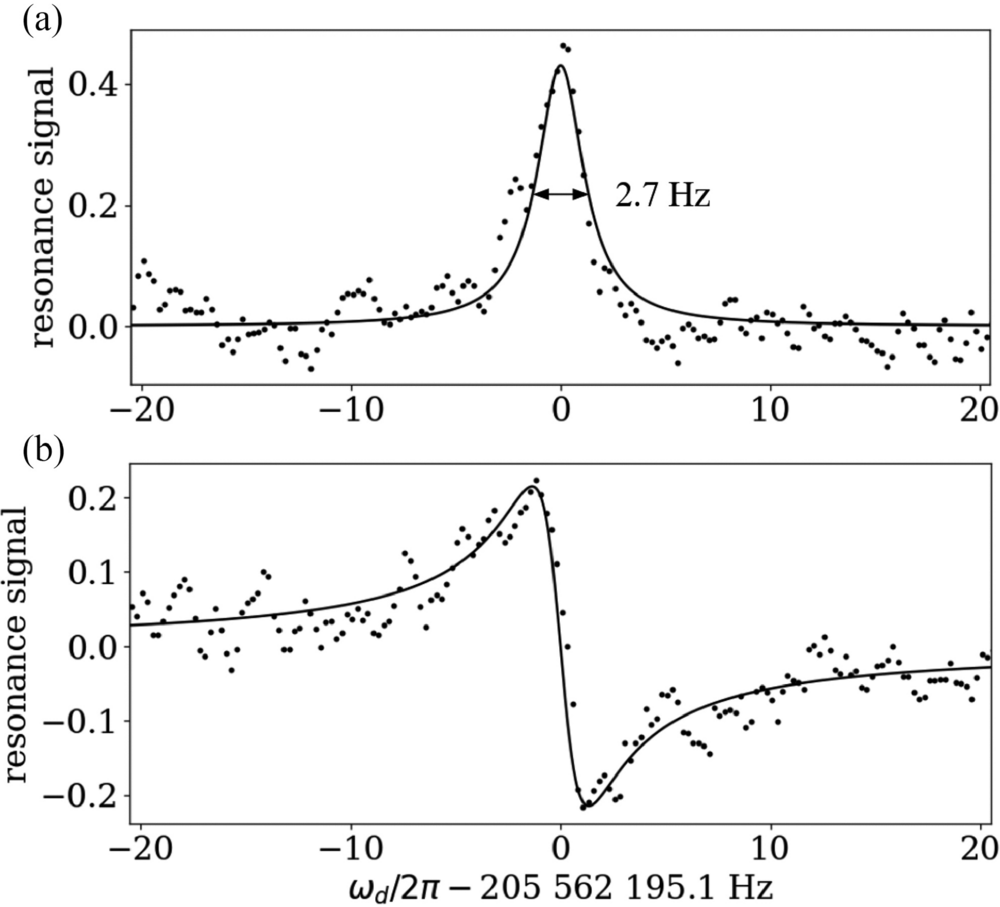
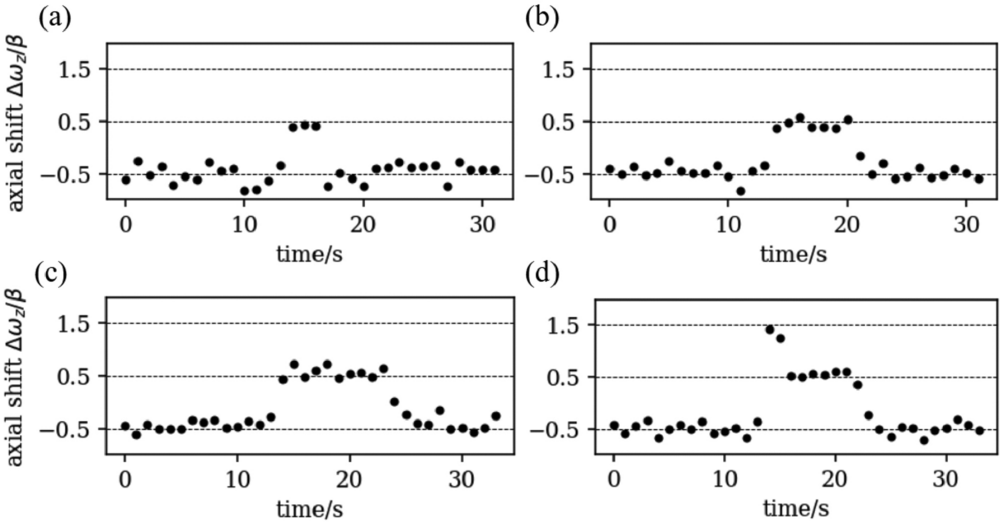
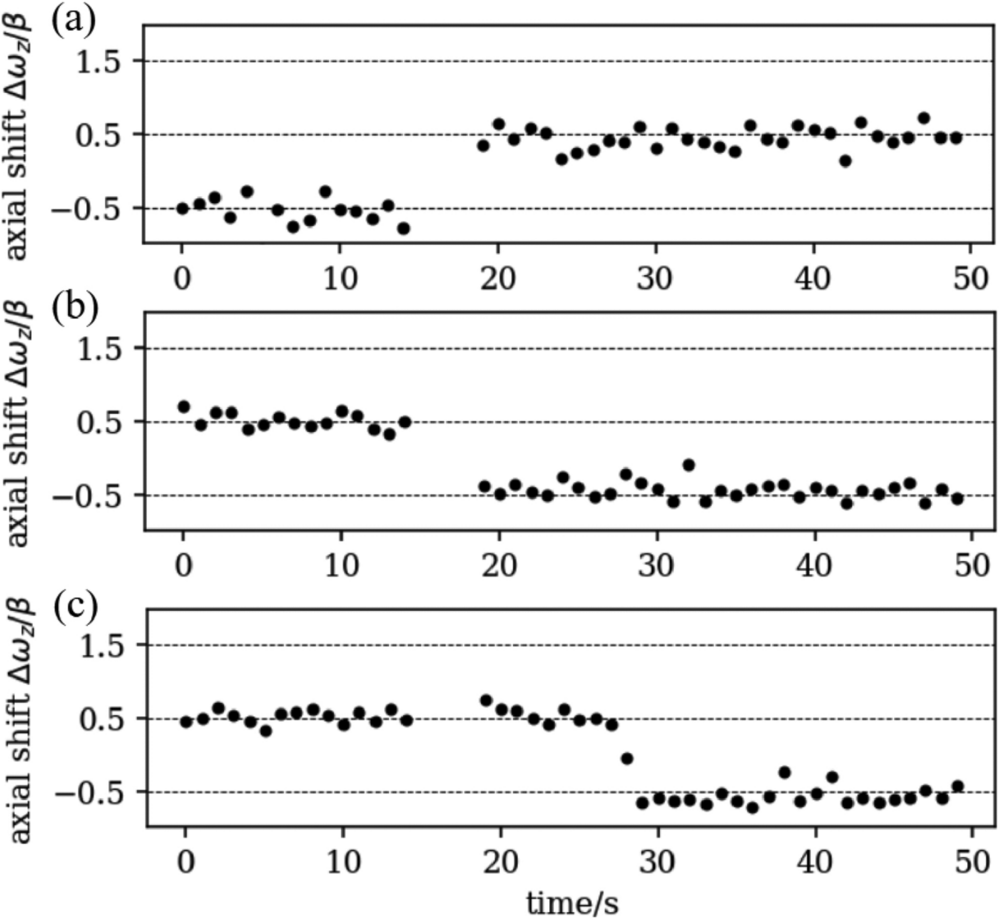
Previously, Gabriels' team had used a "single electron quantum cyclotron" to measure the magnetic moment of electrons (a physical quantity that measures the strength of the interaction between particles and magnetic fields) with an astonishing accuracy of one part in ten trillion. After successfully extending the same level of quantum manipulation technology to a single antimatter particle, the team's next goal is to measure the magnetic moment of the positron with the same accuracy. According to current physics theory predictions, the magnetic moments of electrons and positrons should be exactly equal in magnitude and opposite in direction. Gabriels pointed out that if even an extremely small difference in the magnetic moment values between the two is found in subsequent precision comparisons, it will directly shake the foundation of the Standard Model. It is not only expected to reveal the deep mechanism of the imbalance of matter and antimatter in the universe, but will also become the most significant scientific discovery in physics in the past century.
Comments