
Abstract:
The Anak Krakatau volcano located in the Sunda Strait of Indonesia recently experienced a violent eruption. A huge volcanic ash column rushed directly into the stratosphere 50,000 feet (approximately 15,000 meters) above the surface, triggering high vigilance in the international aviation community and local meteorological departments.
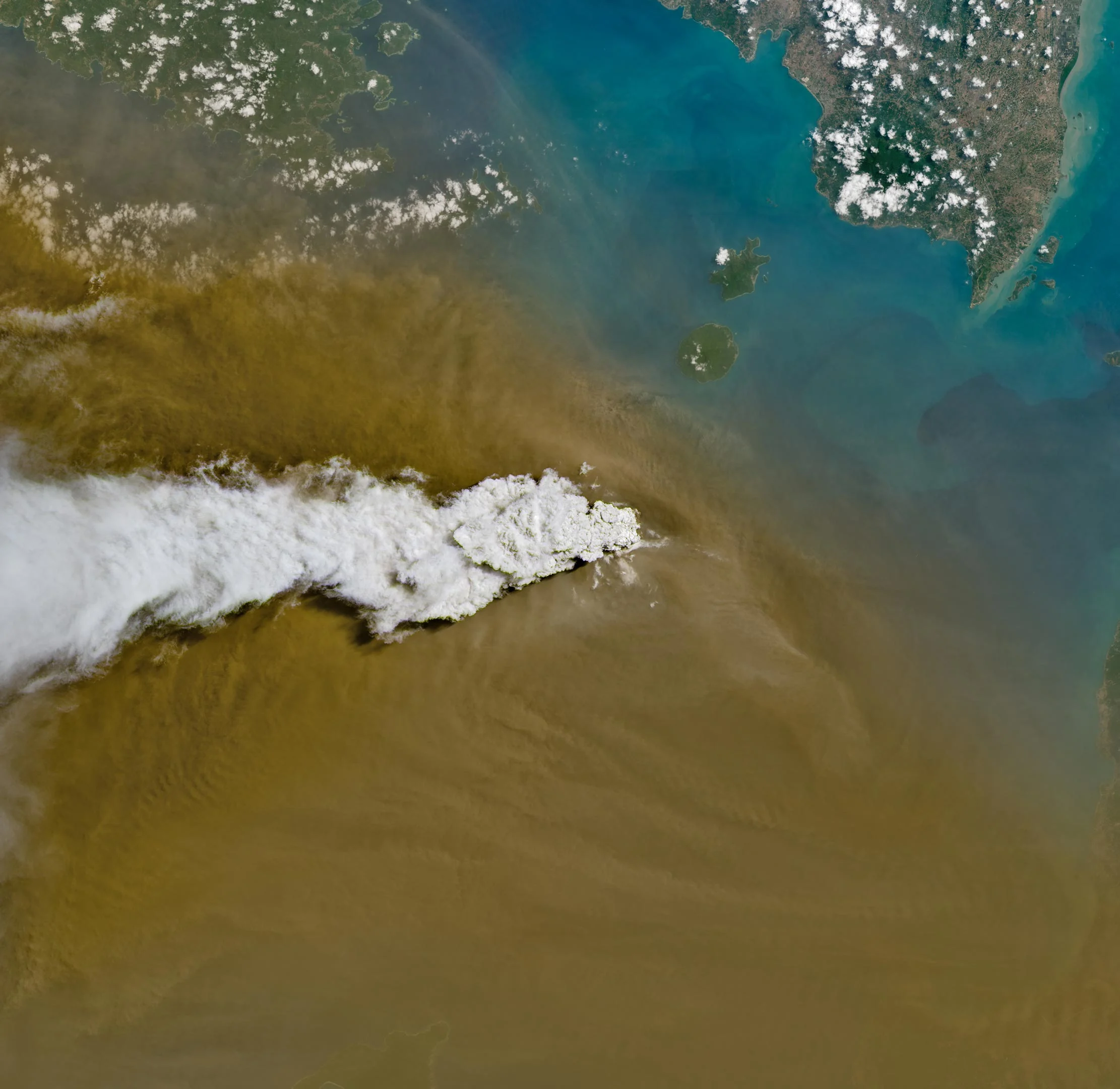
Satellite monitoring images and geological survey data show that this eruption was accompanied by violent internal tremors and the release of high-energy gas. The erupted volcanic ash cloud is not only huge in scale, but also rich in fine-grained volcanic ash and sulfur dioxide gas. It quickly spreads to the surrounding airspace under the influence of strong high-altitude winds. Since the altitude of 50,000 feet is far beyond the standard cruising altitude of civil aviation aircraft, the region's Volcanic Ash Advisory Center (VAAC) has issued an emergency red aviation warning of the highest level, recommending that all international and domestic flights planning to pass through the Sunda Strait and nearby airspace should divert or adjust their routes to prevent volcanic ash particles from causing serious wear and tear on jet engines or even causing the risk of flameout.
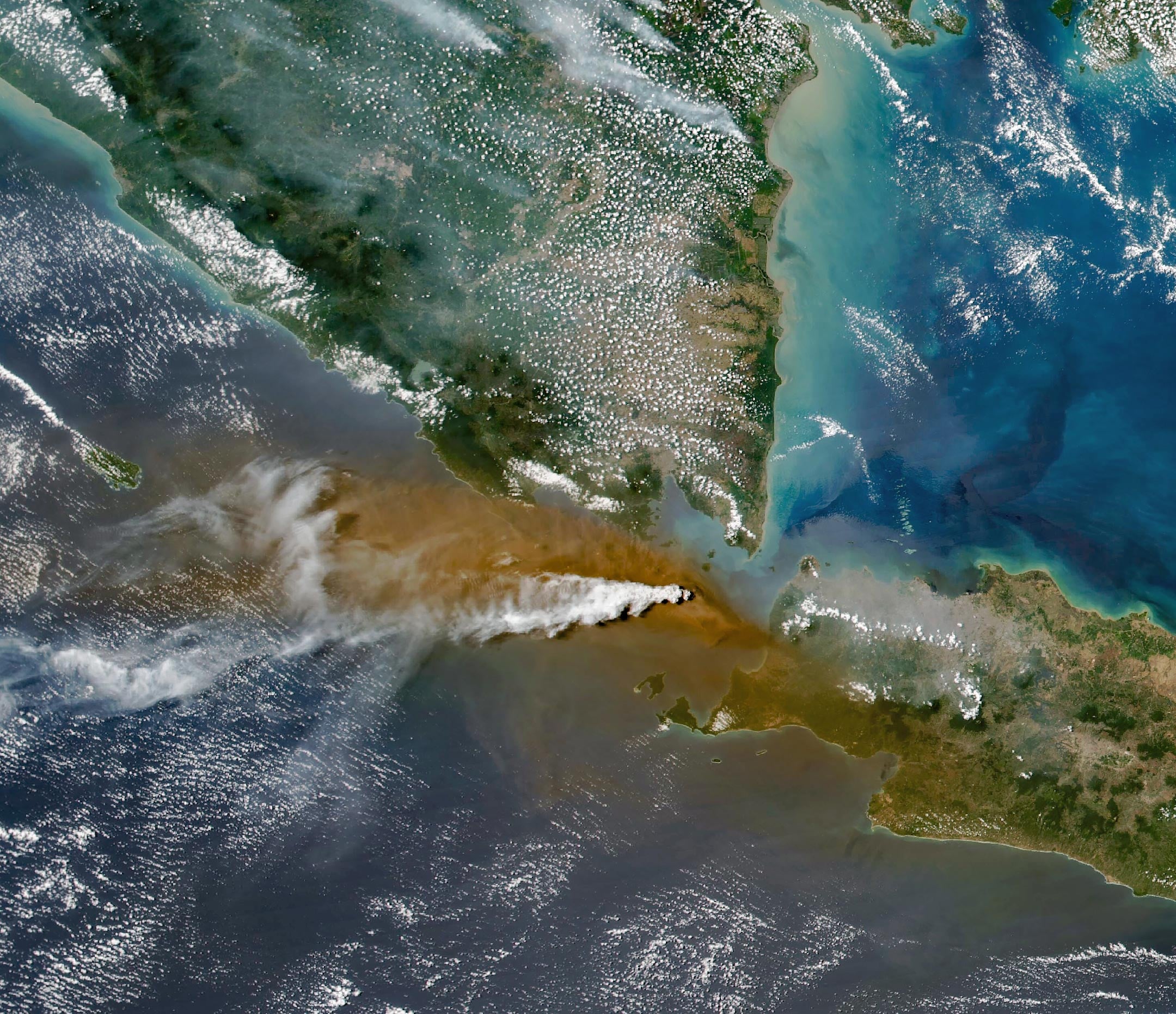
Geological experts said that the Son of Krakatau volcano, as a volcanic body that re-emerged on the site of the historic eruption in 1883, has been in a highly active state of evolution. This violent eruption not only once again demonstrated the unstable internal magma system of the volcano, but also rekindled concerns about secondary disasters. The local Volcano and Geological Hazards Prevention and Control Center has maintained the danger level of the volcano at a high level and has drawn several kilometers of no-entry safety red lines to prohibit fishing boats, sightseeing boats and tourists from approaching dangerous waters.
Currently, geologists and meteorological departments are closely monitoring the drift trajectory of the volcanic ash cloud and its impact on the air quality in the surrounding areas. They are also paying close attention to the water level fluctuations along the strait to assess whether the collapse of the volcano may trigger a secondary tsunami threat. Experts remind surrounding coastal residents to remain vigilant and pay close attention to the latest official safety evacuation guidelines.
Comments