
Abstract:
While planning a camping trip through satellite maps, a Canadian amateur astronomer accidentally discovered a huge ring-shaped landform in the wilderness of Quebec. Later, on-site inspections and geological sampling by scientists confirmed that the area is actually the site of an ancient meteorite impact crater with a diameter of 25 kilometers that was formed about 390 million years ago.
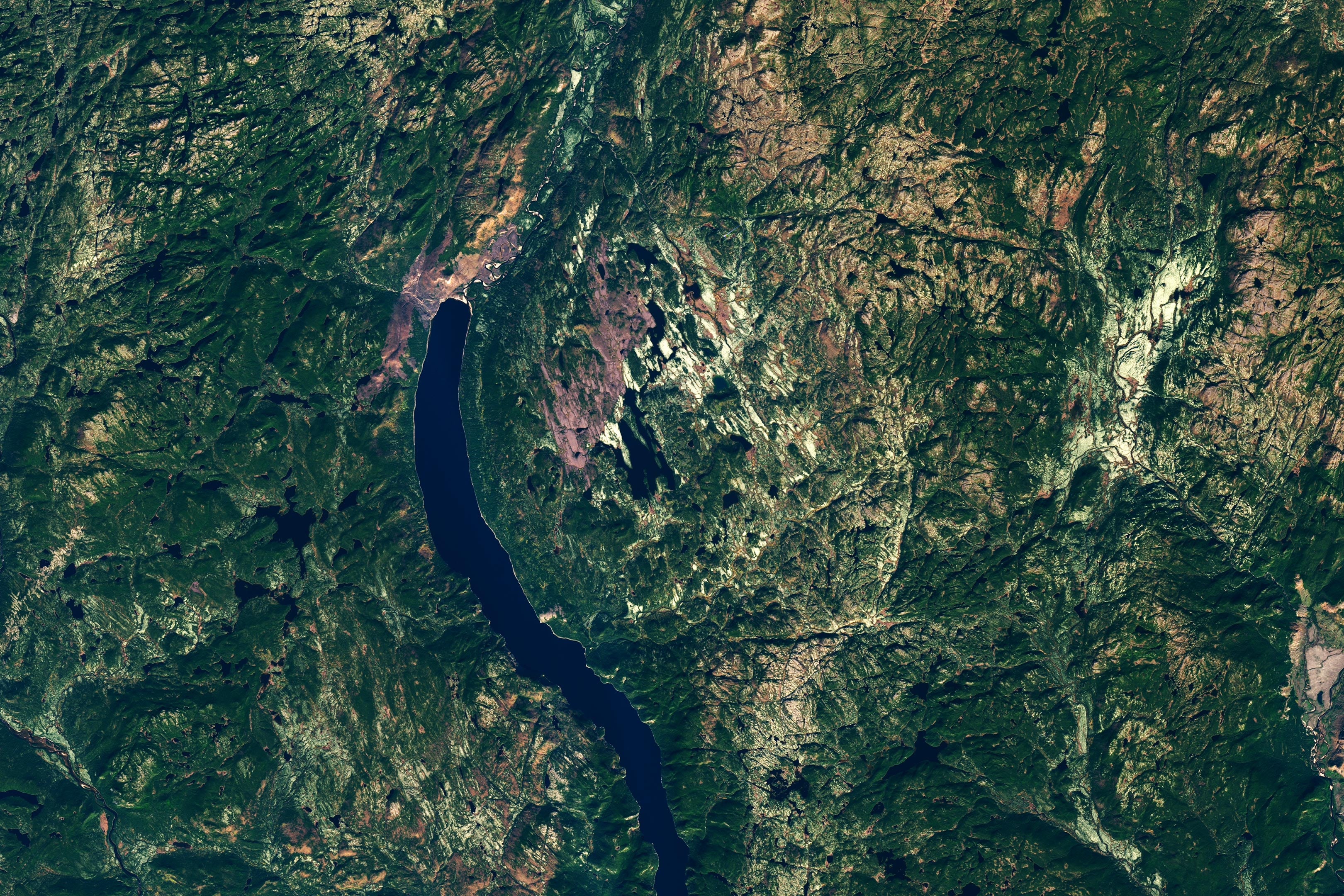
The discovery began in 2024 when Quebec amateur astronomer Joël Lapointe was looking for a campsite for a camping trip to the province's north shore. While consulting satellite maps, an extremely regular and huge circular depression structure near Lake Marsal caught his attention. Lapoit, who suspected that this might be a trace of some kind of celestial impact, then contacted academic institutions in North America and Europe. This clue soon attracted a team of experts who studied impact craters.
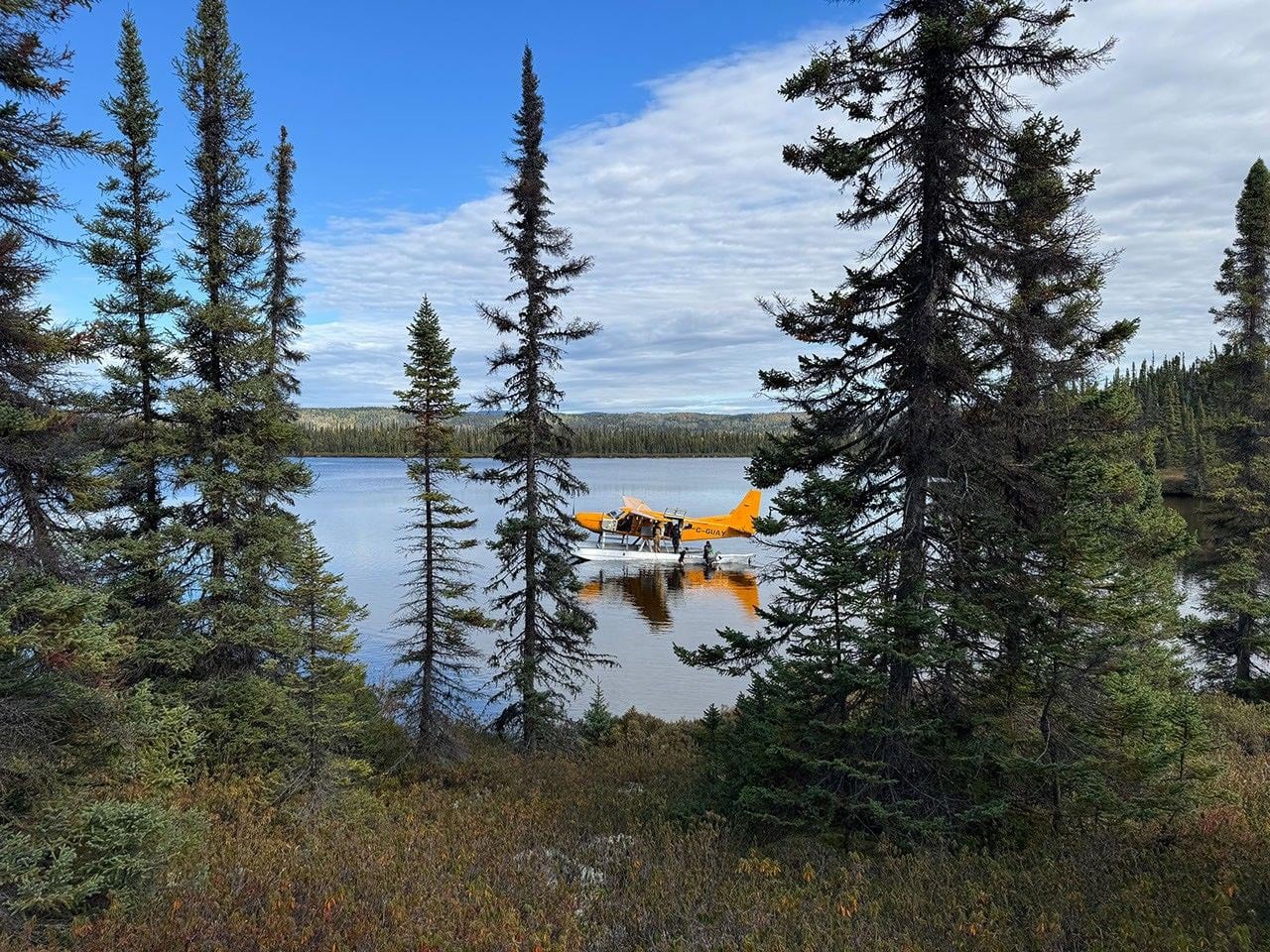
Inspired by this, Gordon Osinski, a planetary geologist from Western University, led an expedition team to take a seaplane deep into this remote no-man's land in October 2025. Due to the rugged terrain, the aircraft was unable to land, so the investigators had to wade through waters tens of meters deep to carry the equipment ashore. During field investigations, researchers discovered a large number of "Shatter Cones" geological structures formed by extremely high shock wave pressure in exposed rocks. Experts point out that fragmentation cones are the most indisputable petrological evidence for visual identification of impact events.
Further geological analysis showed that the impact structure, named "Uhackatik", has a diameter of 25 kilometers and contains a central uplift area and towering columnar joint cliffs. The impact occurred about 390 million years ago and was caused by a huge celestial body hitting the Earth at high speed. Scientists point out that if a similar impact occurred today, the devastating energy it would produce would be enough to wipe out entire large urban agglomerations and trigger a global climate disaster.
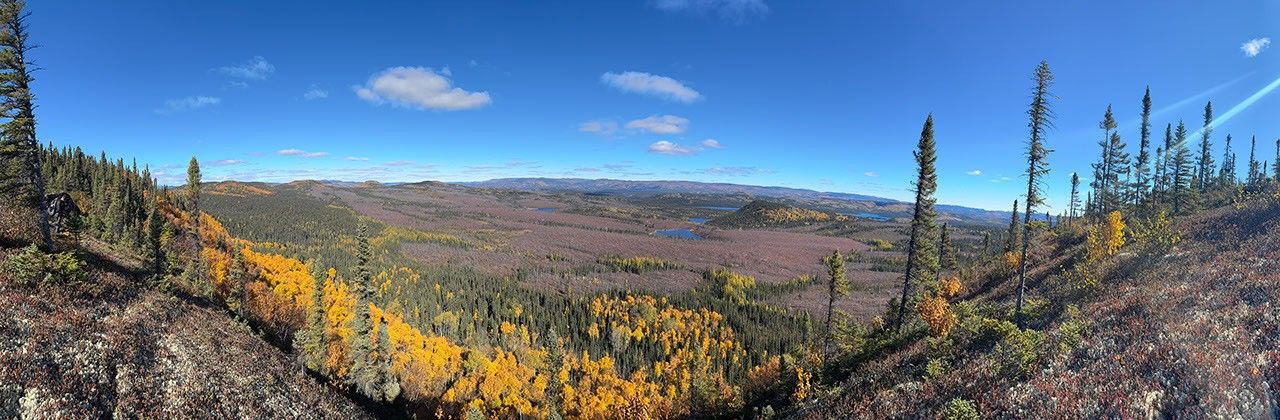
The impact crater is the largest impact site discovered in the world since the 31-kilometer-wide Hiawatha impact crater was discovered in Greenland in 2018. Currently, there are only more than 200 confirmed impact structures in the world. The confirmation of this site not only fills the gap in paleogeological research, but also creates a rare precedent for the general public to directly contribute to major geological scientific discoveries through public satellite images. The Meteorite Society is expected to formally complete the official certification registration of the impact crater at the next academic meeting.
Comments