
Abstract:
Sleeping with the TV on at night, streetlights coming in from the window, or the dim light from electronic devices in the room can have far more effects than just disrupting sleep. A new large-scale scientific study published in the European Heart Journal shows that exposure to artificial light during sleep is significantly associated with subtle structural and functional remodeling of the heart.
What is even more alarming is that this negative change in the physical shape of the heart is even apparent in extremely weak light environments (above 3 lux, equivalent to the dim light of three candles a few feet away).
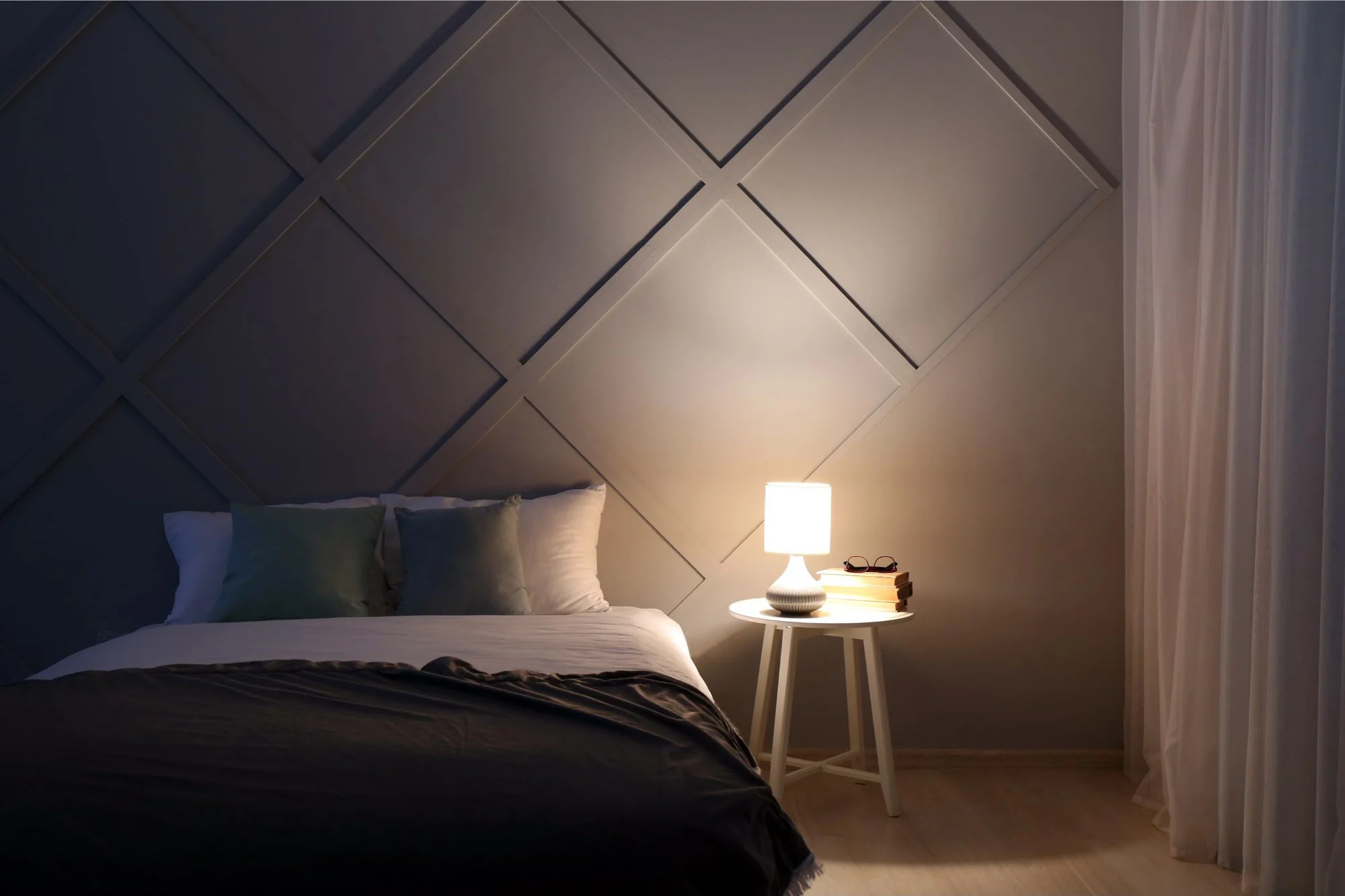
The study was led by the team of Lu Qi, professor of epidemiology at Tulane University in the United States. The researchers retrieved data from more than 11,000 adults in the UK Biobank who had no previous history of cardiovascular disease. Unlike previous surveys that relied on self-reporting through questionnaires, this project used sensors worn on participants' wrists to conduct objective light monitoring for a week, and thereafter conducted detailed scans of the participants' heart structures through high-precision magnetic resonance imaging (MRI).
Medical imaging analysis yielded alarming physical evidence: Compared with subjects who slept in near-total darkness, those exposed to the most nighttime light showed clear signs of adverse cardiac remodeling. Specifically, the heart's left ventricular muscle mass increased by an average of about 2.4% in this group, and its ventricular wall thickness increased by an average of 1.5%. At the same time, the myocardial contraction fraction decreased by about 1.9%, which means that the heart's mechanical efficiency in pumping blood and relaxing becomes weaker. In addition, the subject's right heart system and left atrium also experienced mild enlargement and impaired blood pumping function. After 10 years of long-term health tracking, the risk of heart failure in the high nighttime exposure group was 29% higher, the risk of stroke was 33% higher, and the risk of heart attack and cardiovascular death also increased by 24% and 26% respectively.
As to why nighttime light can cause substantial damage to the myocardium, researchers pointed out that shortened sleep duration can only explain 24% to 49% of the structural changes in the heart. The remaining risk mechanisms are mainly attributed to circadian rhythm disorders and central nervous system stress response. Under normal physiological mechanisms, the dark environment at night is a key signal to promote melatonin secretion, lower blood pressure, and allow the cardiovascular system to rest. Even weak light can be sensed by the body even through closed eyelids, disrupting the body's internal biological clock, triggering continuous excitement of sympathetic nerves, leading to chronic inflammation of blood vessels and long-term stress, forcing the heart to continue overloading at night, and inducing myocardial hypertrophy and stiffness over time.
Although this study is an observational study and cannot yet be concluded at a causal level that weak light will directly destroy the heart, many experts in cardiovascular preventive medicine emphasized that this is the first important study to confirm through MRI medical imaging that nighttime light exposure is directly linked to pathological changes in the physical structure of the heart. This shows that bedroom light pollution is no longer just an annoyance, but a cardiovascular environmental risk factor that should be taken seriously. Experts suggest that the public should actively improve the sleep hygiene environment, tighten blackout curtains when going to bed, cover the indicator lights of indoor appliances, avoid charging mobile phones with the screen on or turning on the TV while sleeping at the bedside, wear light-blocking eye masks when necessary, and return the bedroom to complete darkness as much as possible to protect long-term cardiovascular health.
Comments